
Barbara Napier, witch
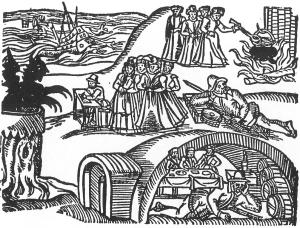 Woman accused of witchcraft and conspiracy to murder during the North Berwick witch trials.
Woman accused of witchcraft and conspiracy to murder during the North Berwick witch trials.
 Last person to be condemned to death for witchcraft in an English court, when she was found guilty at Hertford in 1712.
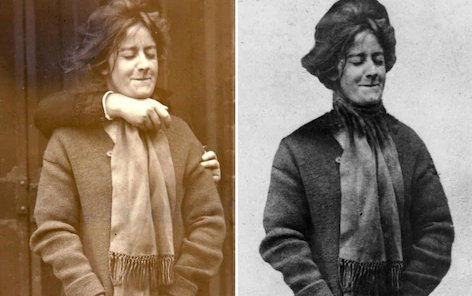 Alias used by one of the three suffragettes arrested for damaging with hammers the glass of thirteen pictures in Manchester Art Gallery on 3 April 1913.
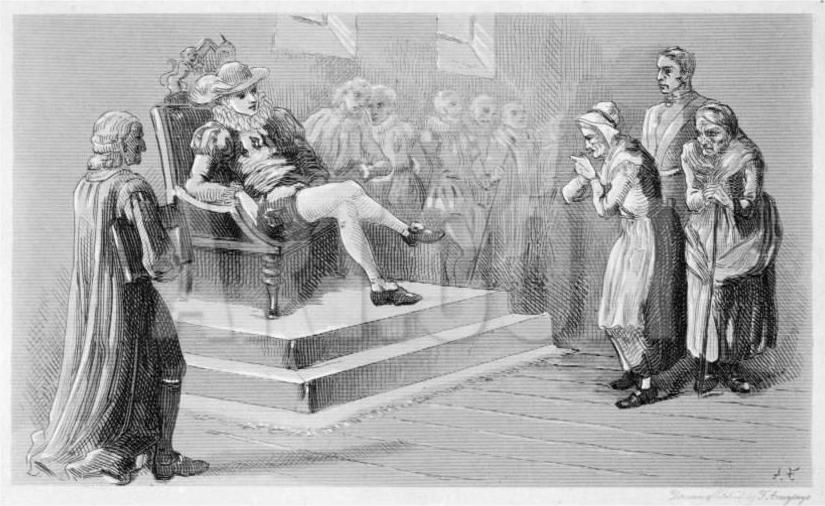 Young Scottish maidservant suspected of witchcraft by her employer in November 1590. After being tortured, the initial testimony she gave led to the start of the North Berwick witch trials.
 First British woman racing driver and a women’s world land speed record holder. In 1905 she also established the record for the longest drive by a lady driver when she drove a De Dion-Bouton from London to Liverpool and back over two days.
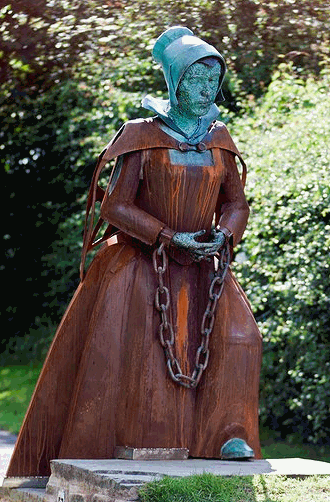 One of the 11 men and women found guilty of causing harm by witchcraft in the Pendle witch trials of 1612, unique among the accused in being a respectable wealthy widow.
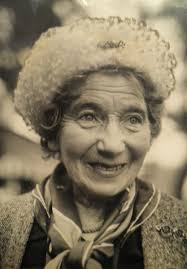 First British woman racehorse trainer to officially train a winning horse. Her historic win came with her filly Pat, at Brighton in August 1966, just one day after she became one of the first two women to be granted a training licence by the Jockey Club.
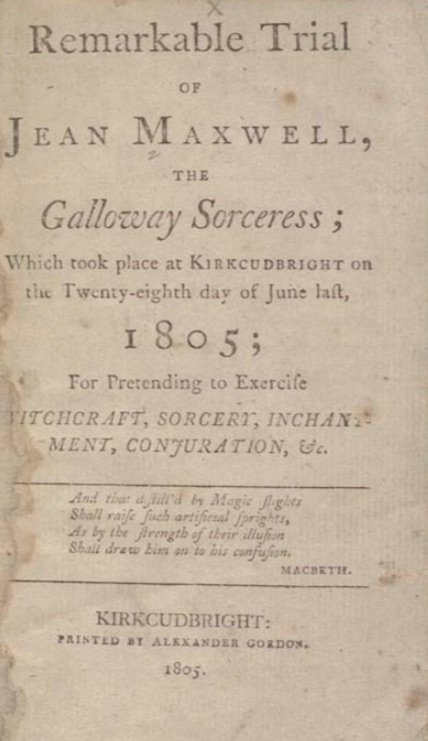 Scottish cunning woman convicted of pretending to practise witchcraft
 Internationally recognised authority on folk dancing and its related music and folk customs.
[wpdreams_ajaxsearchlite]
Some hopefully helpful guidance on how certain aspects of our articles are implemented.

| Barbara Napier, witch | |
|---|---|
| Woman accused of witchcraft and conspiracy to murder during the North Berwick witch trials. (Image included) |
|
| 68 | |
| Not on Wikipedia |
|
| 46 | |
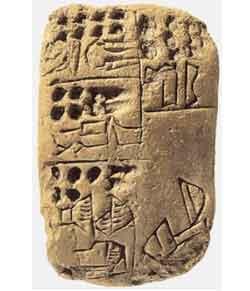 Babylonian chemist and a royal perfume maker.