

The Church of St Senara, in the Cornish village Small rural collection of buildings with a church. of Zennor, is an active Anglican parish church in the Deanery of Penwith, Archdeaconry of Cornwall and the Diocese of Truro.[1] The village’s name comes from the Cornish translation of the church’s 12th-century name, the church of “Sanctus Sinar”.[2]
The earliest part of the church, in the south wall, dates from the 12th-century.[3] One 15th-century pew end has a widely renowned carving of the Mermaid of Zennor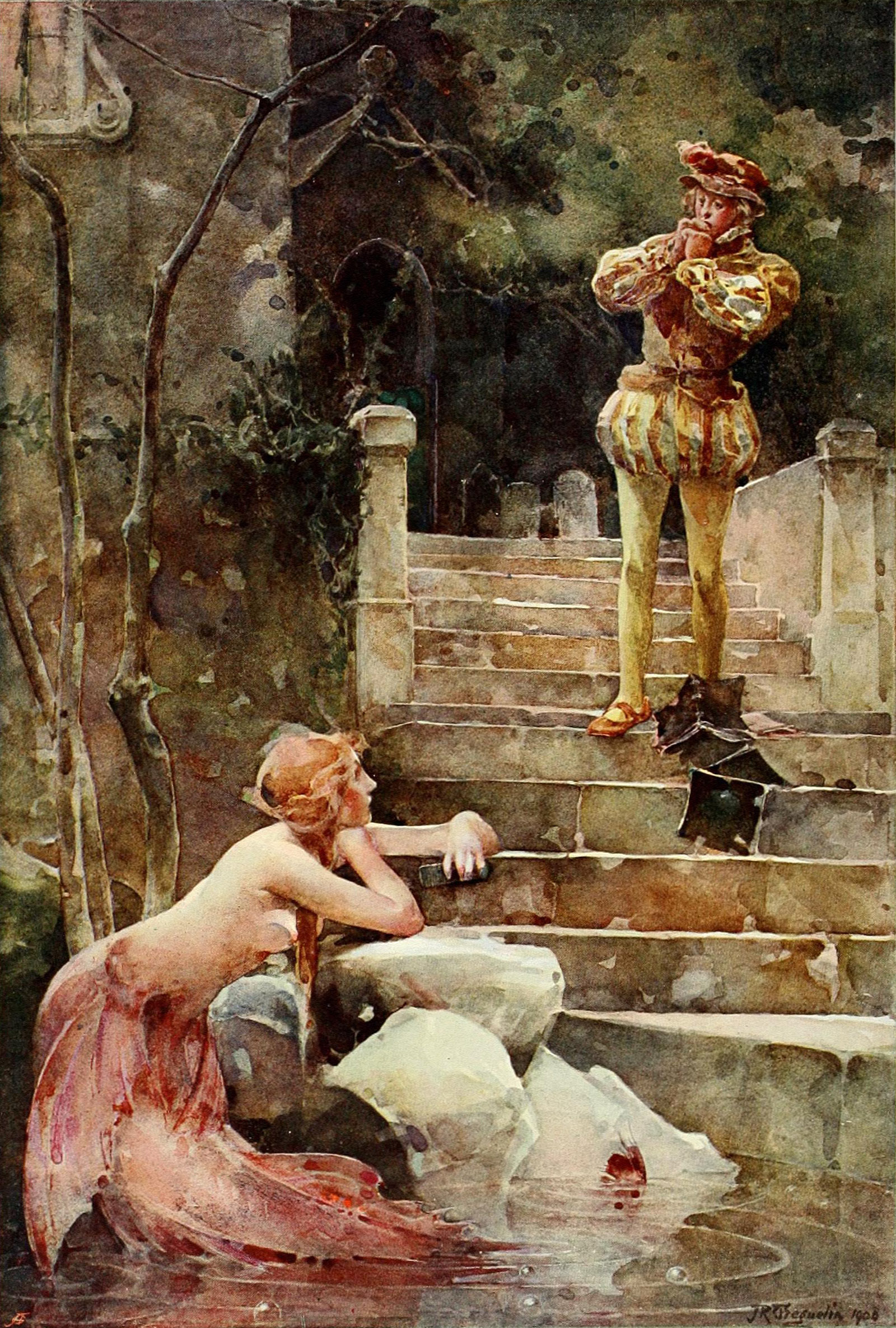 Mermaid who enticed a chorister from the local parish church to live with her in the sea..[1]
St Senara’s was designated a Grade I listed building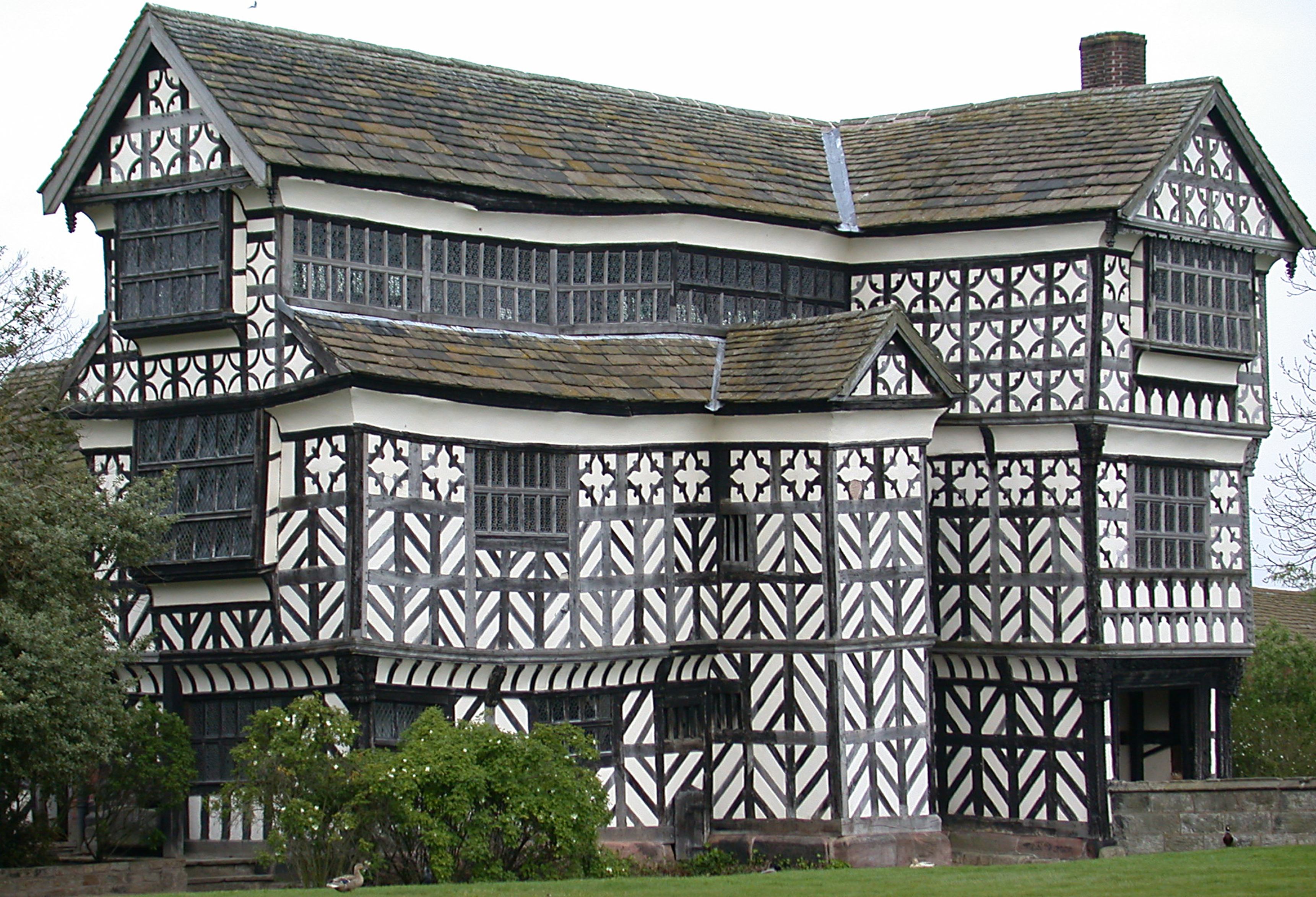 Structure of particular architectural and/or historic interest deserving of special protection. in 1954.[3]
Architecture
Exterior
The main body of the church is built of granite moorstone with granite dressings. The three-stage embattled west tower, added in the 15th century, is of granite ashlar Masonry of squared and finely cut or worked stone, commonly used for the facing of a building.. The church was not majorly altered from the 15th century until a partial rebuild took place in the late 19th century, involving a new roof and stripping the walls of plaster.[3]
The ground plan consists of a nave Central part of a church, used by the laiety., chancel
 Part of a church containing the altar, used by the officiating clergy., north aisle, south transept
 Part of a Christian church crossing the area between the nave and the chancel, forming a characteristic cruciform shape. and south porch
 Vestibule before the main entrance to a Christian church, less sacred than the church proper.; the chancel is narrower than the nave.[3] On the church’s outside wall, to the west of the porch, is a memorial to John Davy, who died in 1891, the last person to speak Cornish as his native language.[1]
The tower contains a ring of six bells, four of which were cast by Gillett & Johnston in 1926 to accompany the two much older pre-existing bells.[4]
Interior

The interior has a six-bay arcade Series of arches carried on piers, columns or pilasters. Also used to denote a covered avenue with shops on one or both sides. with octagonal piers and basket arches between the nave and north aisle, with a similar two-bay arcade between the nave and the south transept. The lancet window
 Tall, narrow window typically associated with the Gothic architectural style. in the chancel gable, behind the altar, dates from the 19th century, as do most of the other windows in the church. The baptismal font probably dates from the 13th century.[3]
The 19th-century waggon roof over the chancel is carried on granite corbels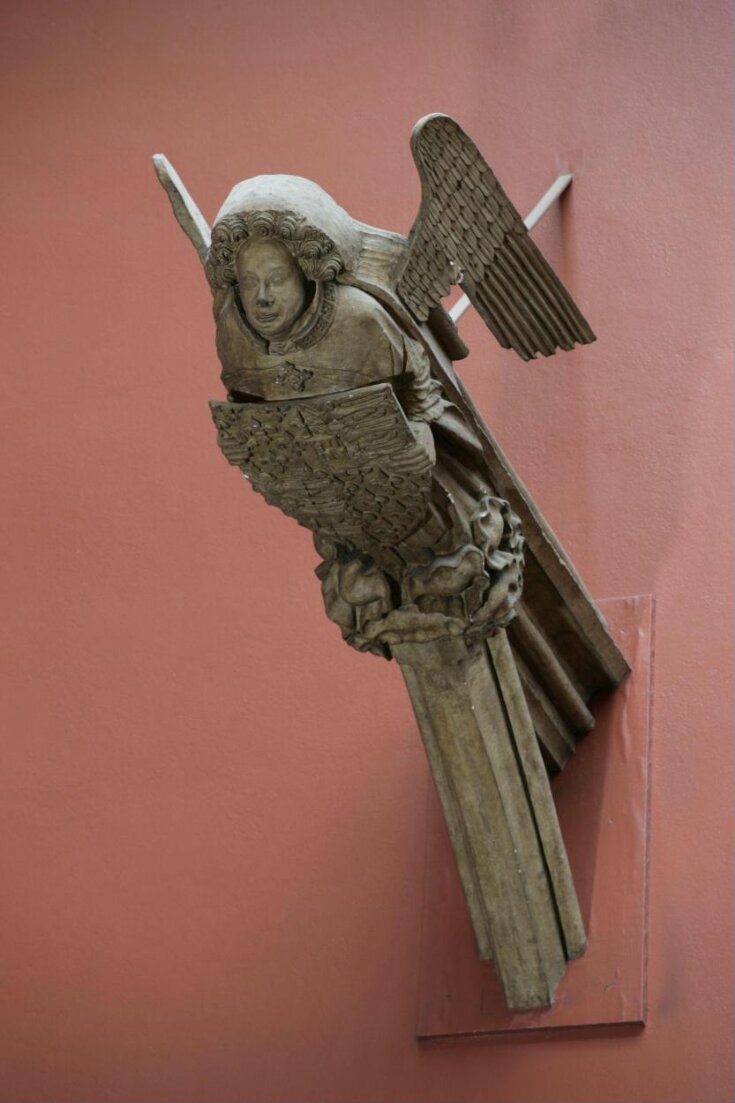 Structural piece of stone, wood or metal jutting from a wall to carry a superincumbent load..[3]
