
Bute witches
 Six Scottish women accused of witchcraft on Bute during the Great Scottish Witch Hunt of 1661–1662.
Six Scottish women accused of witchcraft on Bute during the Great Scottish Witch Hunt of 1661–1662.
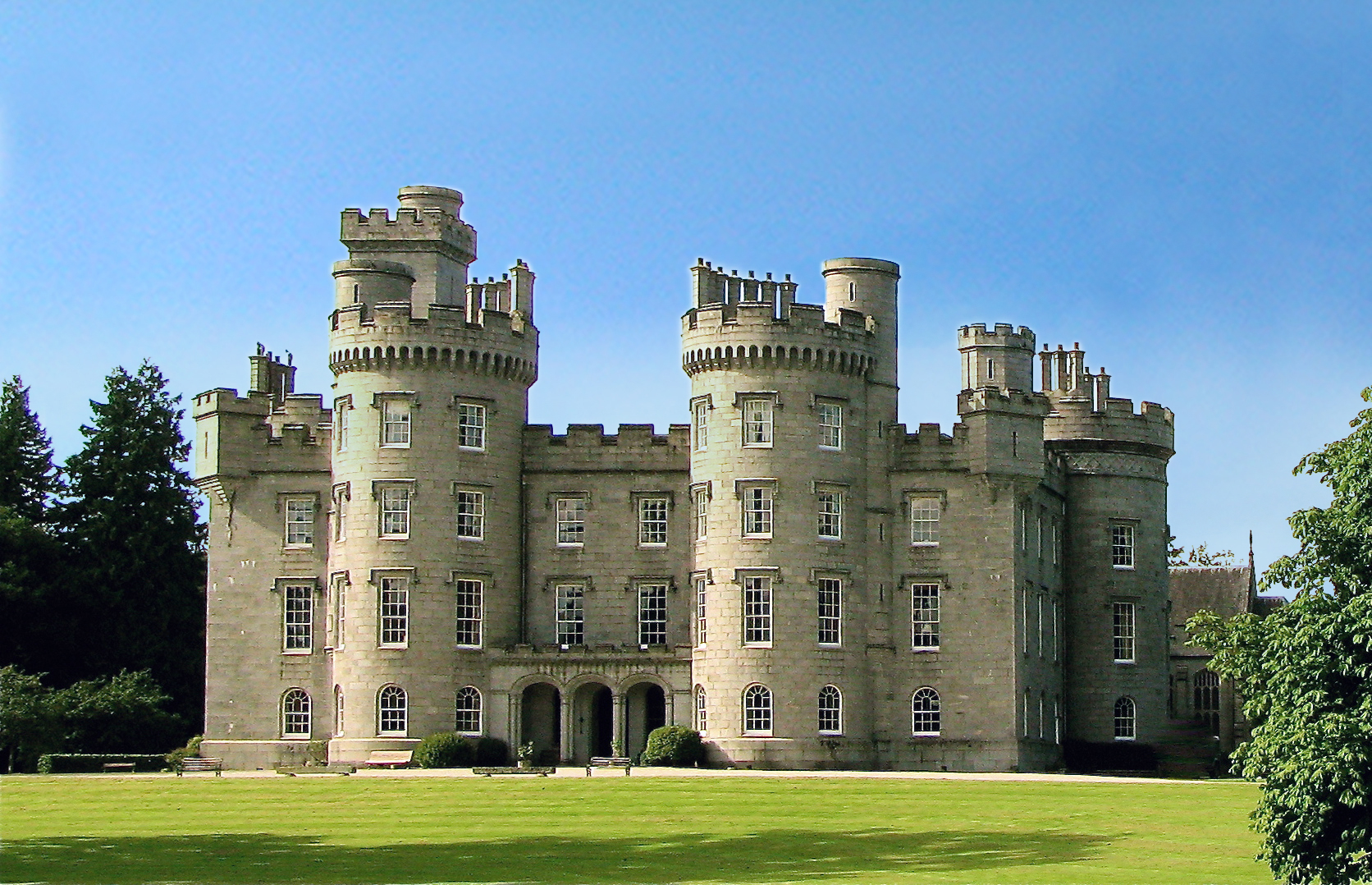 Originally built in about 1604 as a Z-plan castle, replacing either a house or small peel tower. Sited in the parish of Cluny, it is south of Monymusk and north of Sauchen in Aberdeenshire, north-east Scotland.
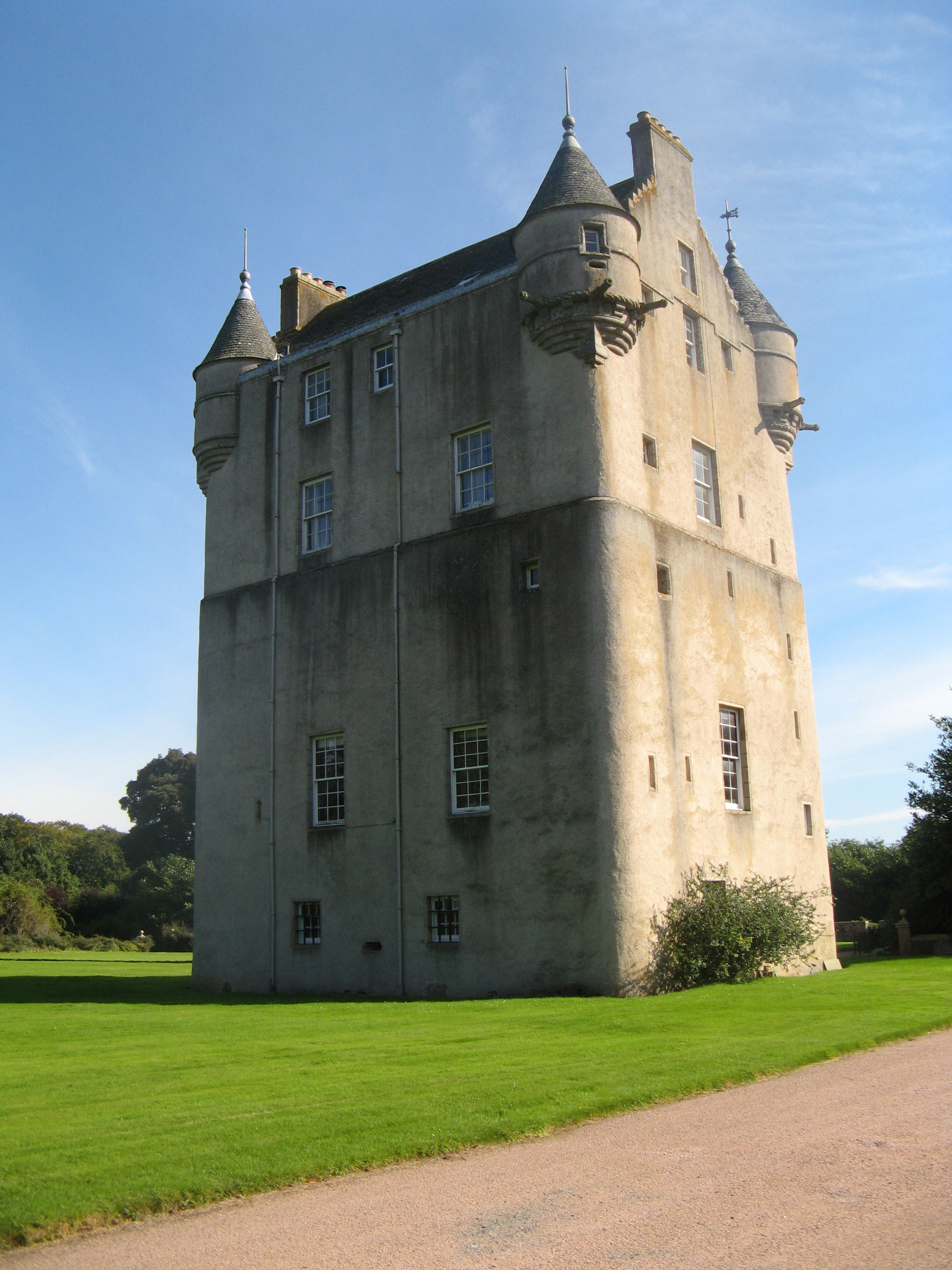 Tower house in the parish of Udny, southwest of Pitmedden and northeast of the hamlet of Udny Green, Aberdeenshire.
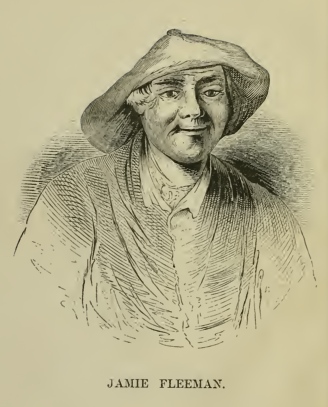 Probably the last Scottish family jester, better known as “the Laird of Udny’s Fool” or “the Laird of Udny’s Fule”.
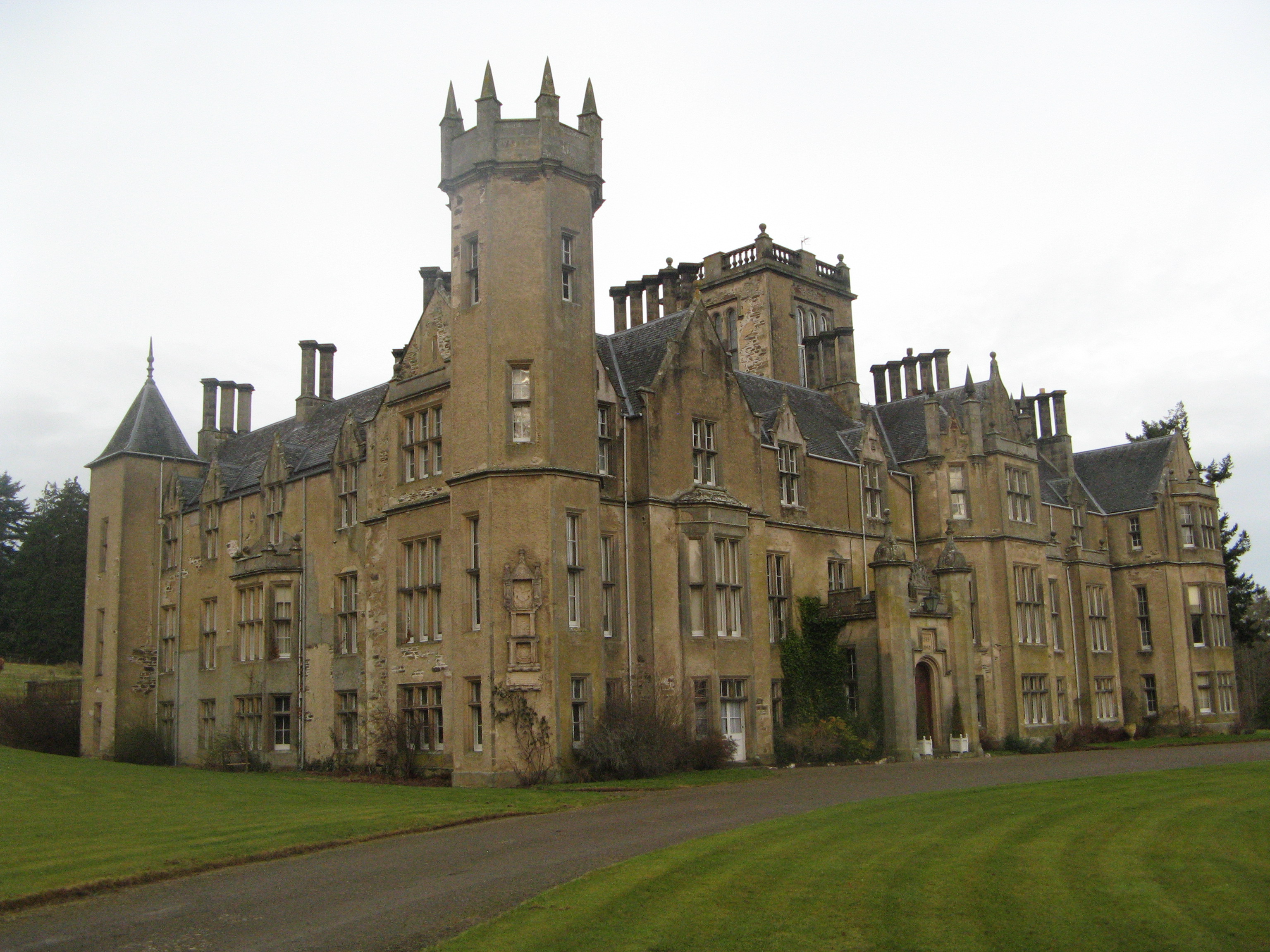 Mansion house forming the centrepiece of the Forglen estate in the parish of Forglen, northwest of Turriff, Aberdeenshire, in the northeast of Scotland.
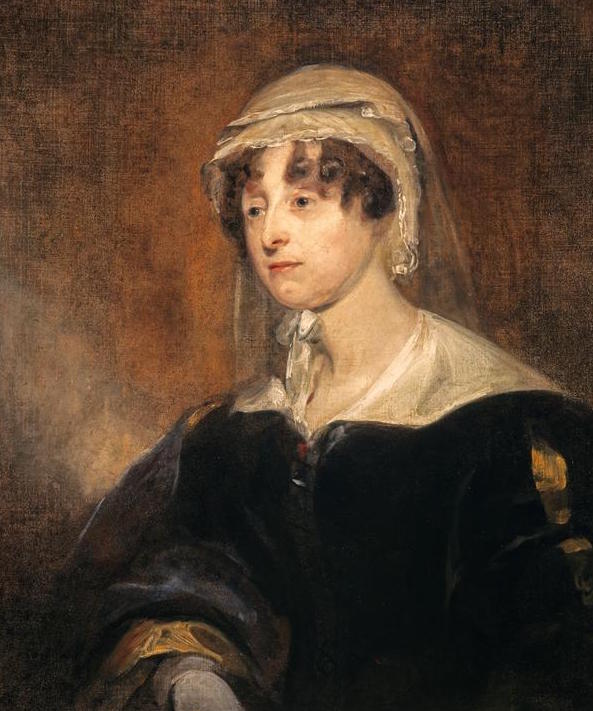 Song by the Scottish songwriter Carolina Nairne, Baroness Nairne (1766–1845), which she contributed anonymously to The Scottish Minstrel, a six-volume collection of traditional Scottish songs published from 1821 to 1824.
6th and final laird of the Pitfour estate in Aberdeenshire, the Blenheim of the North
Scottish songwriter, many of whose songs, such as “Will ye no’ come back again?” and “Charlie is my Darling”, remain popular today, almost two hundred years after they were written.
Scottish naval officer and Tory politician; also known as “The Admiral” or “The Sailor” to differentiate him from his father.
George Ferguson (1748 – 29 December 1820) was the fourth Laird of Pitfour, a large estate in the Buchan area of Aberdeenshire, Scotland which became known as The Blenheim of the North.
[wpdreams_ajaxsearchlite]
Some hopefully helpful guidance on how certain aspects of our articles are implemented.

| Bute witches | |
|---|---|
| Six Scottish women accused of witchcraft on Bute during the Great Scottish Witch Hunt of 1661–1662. (Image included) |
|
| 39 | |
| 52 | |