

The 15th or early 16th-century Devil’s Bridge, crossing the River Lune at Kirkby Lonsdale in Cumbria, was built by the Devil in one night, according to an 18th-century legend. An old woman’s cow had strayed to the far side of the river, and the Devil offered to build the bridge for her on condition that he could carry off the first living thing that crossed it.[1][2][a]Many bridges in European folklore are associated with the Devil. The general story is that the Devil offers to build a bridge in exchange for the soul of the first person to cross it, but is ultimately outwitted.[3] Local legend also has it that several large glacial deposits in the surrounding area, including the Great Stone of Fourstones, were dropped by the Devil on his way to build Devil’s Bridge.[4]
The bridge carried the Kendal to Skipton road until until the 1930s, when it was replaced by Stanley Bridge, 150 metres (492 ft) to the south, as its 4-metre (13 ft) wide roadway was proving to be too narrow for modern traffic.
[2]
Architecture
The bridge is built of ashlar Masonry of squared and finely cut or worked stone, commonly used for the facing of a building. and dressed stone, and has three segmental arches. The piers have triangular cutwaters to each side, which rise to canted pedestrian refuges at the road level. At the south side of the east end there is a sundial dated 1673.[2]
Considered to be “one of the finest medieval bridges in England”, Devil’s Bridge was designated a Grade I listed building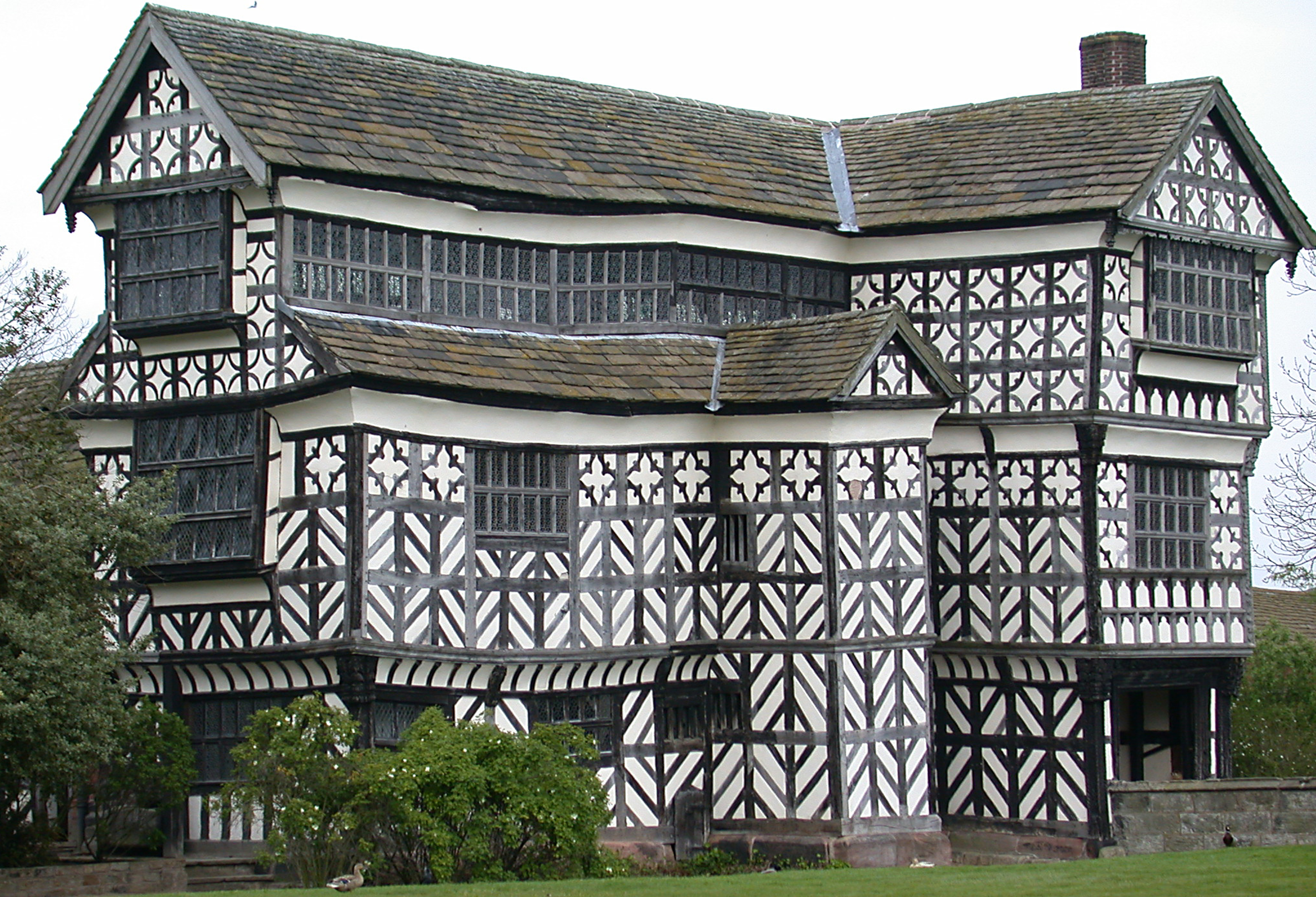 Structure of particular architectural and/or historic interest deserving of special protection. in 1983.[2]
Notes
| a | Many bridges in European folklore are associated with the Devil. The general story is that the Devil offers to build a bridge in exchange for the soul of the first person to cross it, but is ultimately outwitted.[3] |
|---|
 Stone-built bridge on the single-track road to Watendlath in Cumbria, the most photographed view in the Lake District.
 14th-century bridge over the River Wye in Bakewell, Derbyshire.
 Grade II listed bridge connecting Salford to Manchester across the River Irwell.
 Late medieval bridge in Ayrshire, Scotland, best known as the setting for the final verse of Robert Burns's poem Tam o' Shanter.
 Only surviving Telford-approved cast-iron bridge in Shropshire.
 Unusually designed 18th-century bridge in the grounds of Letterfourie House in Moray, Scotland.
 Historically important crossing over the River Aire in North Yorkshire, designed by John Carr.
 Grade II pedestrian suspension bridge across the River North Tyne at Greystead, Northumberland, built in 1862.
 Medieval structure spanning the Hanging Ditch, which connected the rivers Irk and Irwell in Manchester, England, part of the city's medieval defences.
 Bridge in Hulme, Manchester, England, supporting Stretford Road as it passes over Princess Road, part of the regeneration of that area of Manchester.
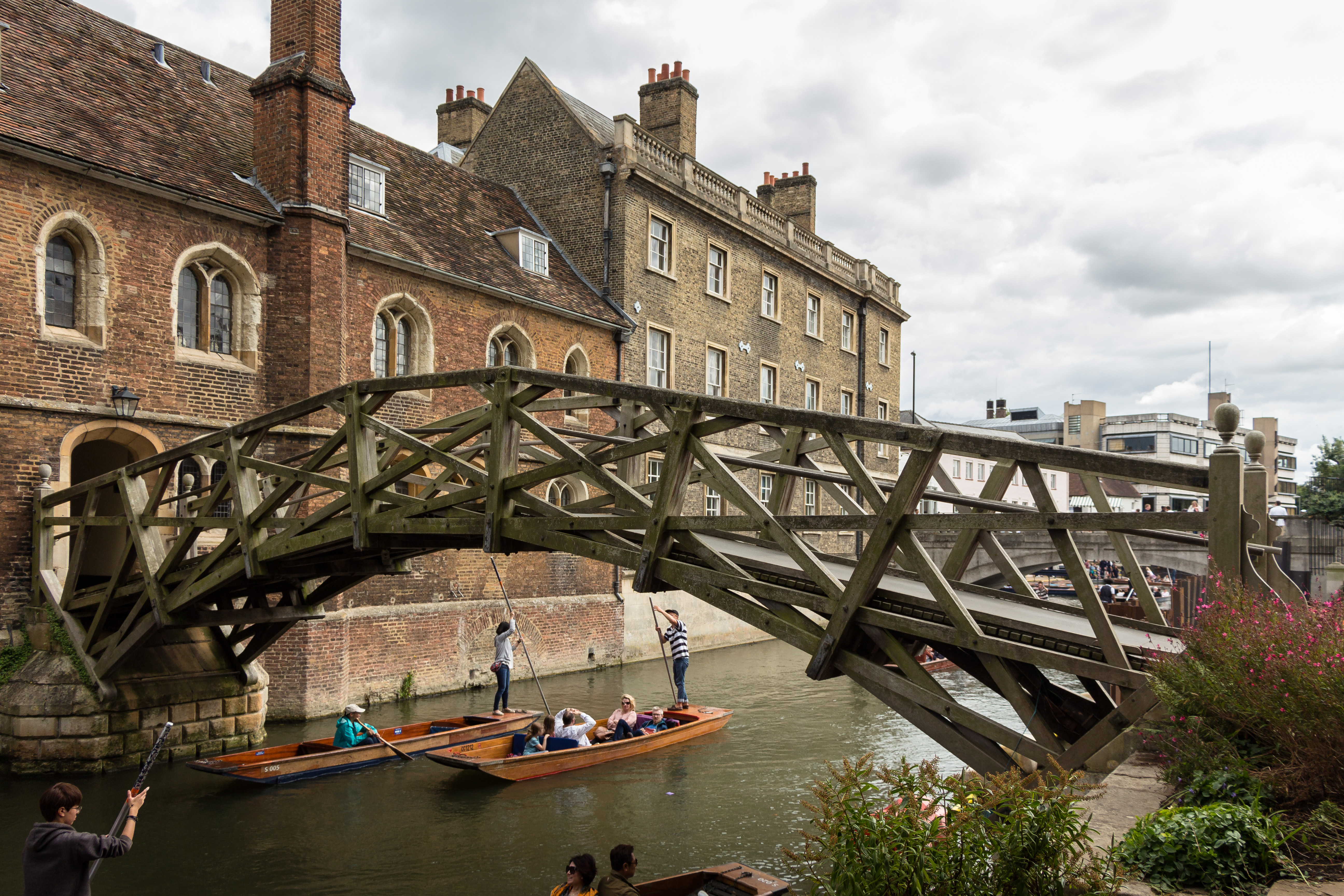 Footbridge across the River Cam in Cambridge, England, connecting two parts of Queens' College, built using seven shorter lengths of straight timber to form an arch.
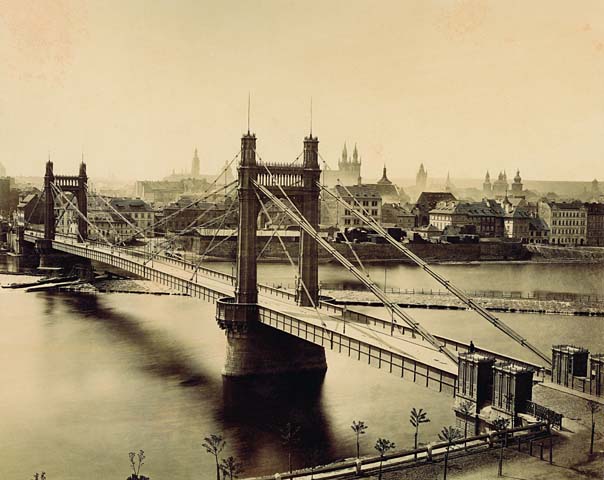 Early form of suspension bridge design.
 Pedestrian underpass in Castleford, England, under a railway line originally built by the York and North Midland Railway between York and Normanton.
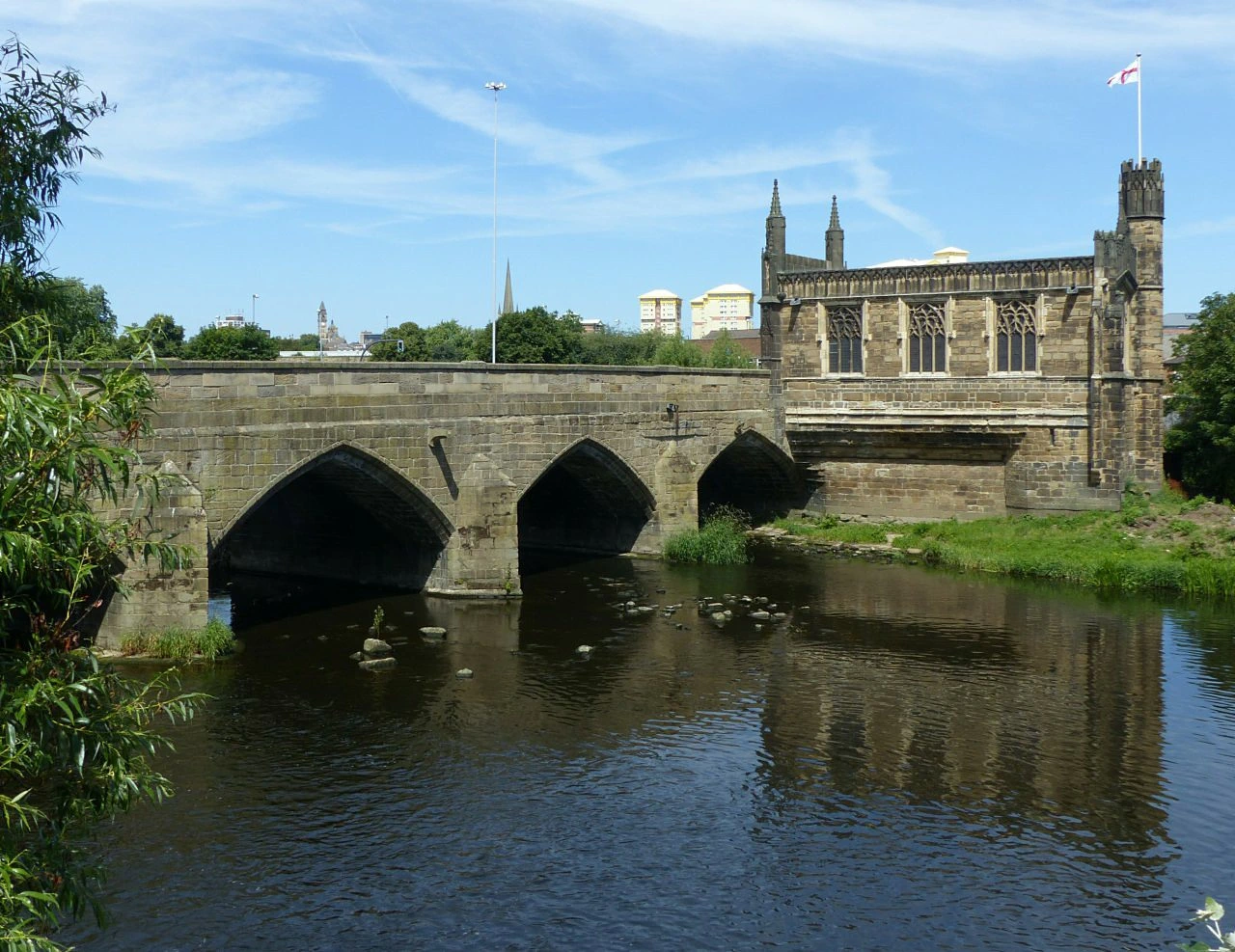 The longest surviving medieval bridge in England
 Privately owned statutory tolled undertaking which incorporates a public highway road length, one of the few remaining pre-motorway toll bridges in the UK.
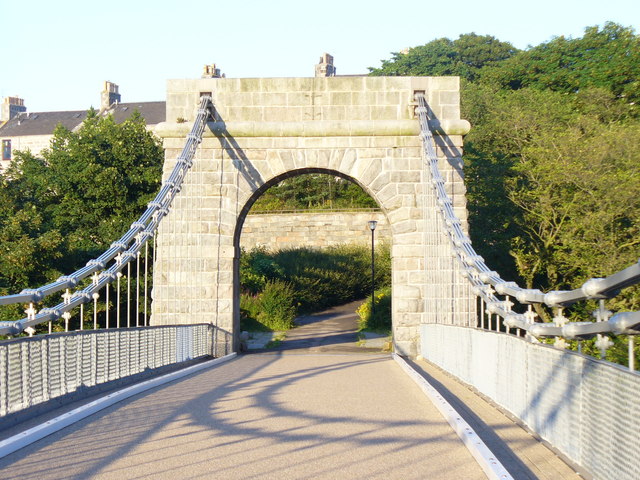 Bridge crossing the River Dee in Aberdeen, northeast Scotland
