

 Part of a church on either side of the nave or choir, separated from them by arcades, colonnades or piers. More generally, a passageway between seats in an auditorium, shelves in a supermarket and so on. chapel, St Nicholas’s Church, Walcot, Lincolnshire, with a view of the high altar in the chancel beyond.
Wikimedia Commons
A hagioscope, also known as a squint or loricula, is an obliquely cut opening in the masonry wall of a Christian church to allow a limited view of the high altar from side-chapels or aisles. Its purpose was to allow celebrants in the side chapels Christian place of prayer and worship, smaller than a church. to suspend their own services when the parish priest at the high altar reached the point of consecrating the eucharist, known as sacring, so that consecrations did not take place simultaneously.[1]
It has often been suggested that the squint allowed lepers to view the Mass without mixing with the congregation in the nave Central part of a church, used by the laiety.,[2] and with that purpose in mind it is sometimes called a lychnoscope.[3] But during the medieval period the congregation would have been prevented from seeing the celebration of the Mass by a pulpitum, so the suggestion is almost certainly without merit.[4]
 Cupboard or recessed cabinet in the wall of a Christian church, used for storing holy oils or the reserved sacrament.
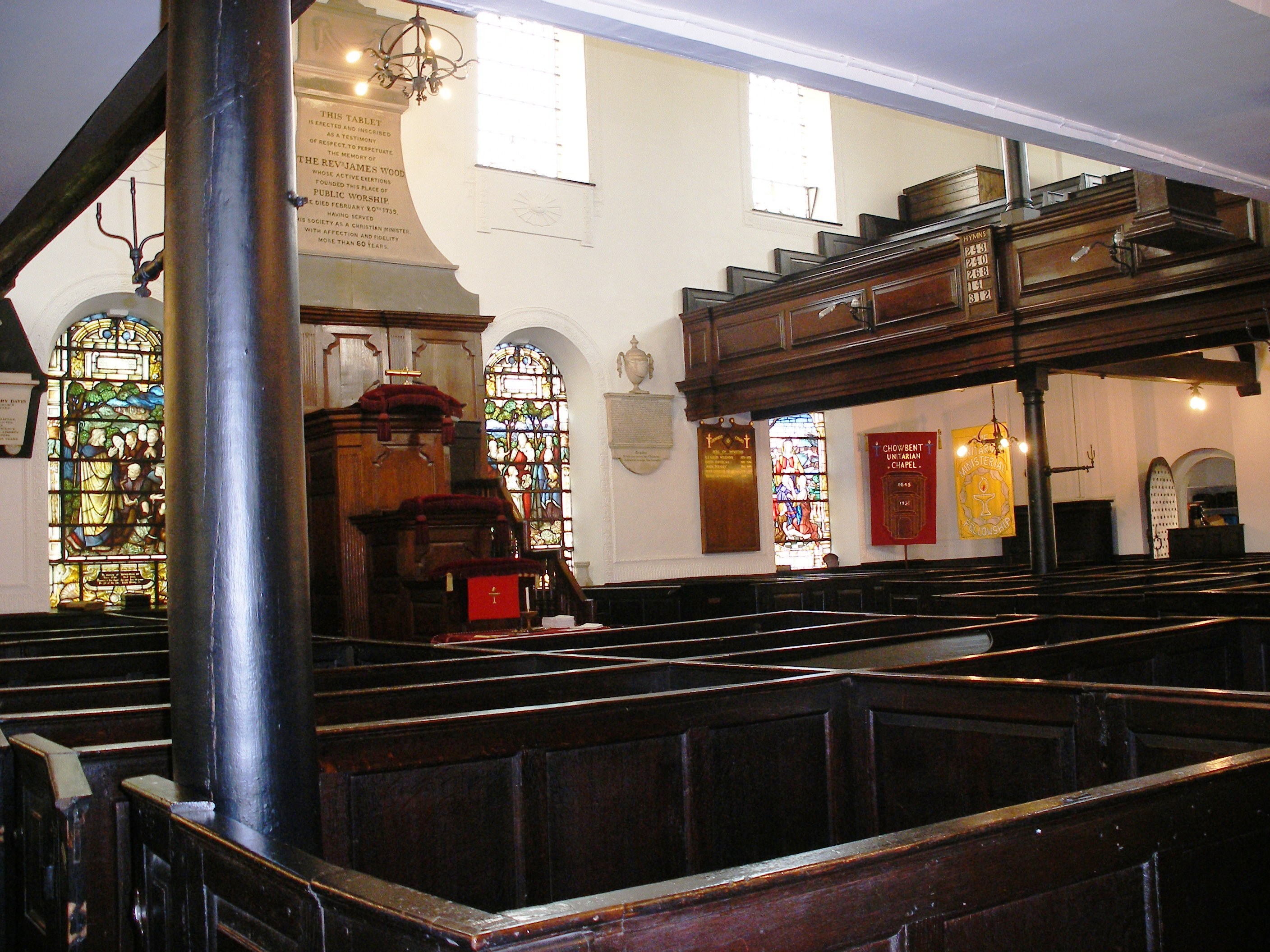 Type of church seating with enclosed sides.
 Part of a church containing the altar, used by the officiating clergy.
 Covered walkway usually set out in the form of a square.
 Structure close to the refectory of a monastery, providing washing facilities.
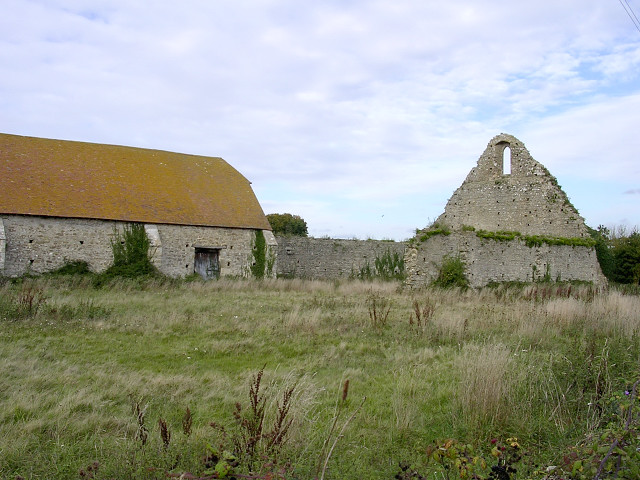 Monastic granges were outlying landholdings held by monasteries independent of the manorial system. They could be of six known types: agrarian, bercaries (sheep farms), vaccaries (cattle farms), horse studs, fisheries or industrial complexes.
 Vestibule before the main entrance to a Christian church, less sacred than the church proper.
 Small basin in a Christian church used to clean the priest's hands and the sacred vessels used at Mass.
 Large ornamented wall, screen, or other structure placed behind the altar in a Christian church.
 Screen separating the chancel from the nave, typically in late medieval Christian churches.
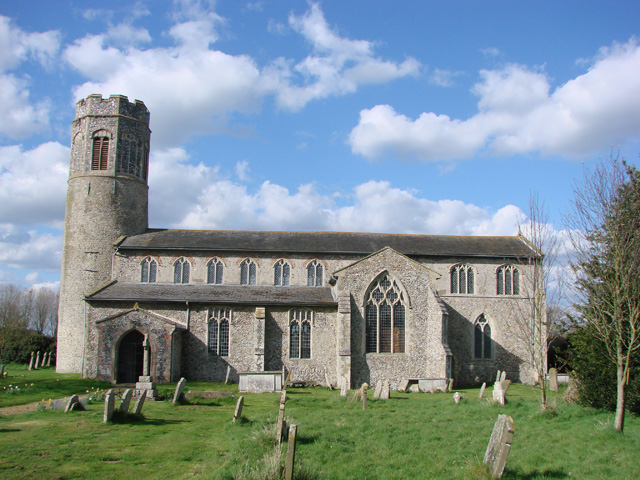 Church with a circular tower rather than the more common square tower, mainly found in East Anglia.
 Room in Christian churches for the storage of liturgical vestments, sacred vessels and parish records.
 Church door ornamentation, the grasping of which granted sanctuary to fugitives.
 Seats for the officiating clergy found on the south side of an altar.
