

The Frustrated Gardener
Pocket parks are small areas of green space within urban environments, often utilising the “useless bits of ground left between streets”, the so-called Space Left Over After Planning (SLOAP).[1] They are defined in the UK as a piece of land up to 0.4 hectares (1.0 acres) which is unused, undeveloped or derelict, accessible and open to the general public.[2]
The first pocket parks appeared in Europe in the aftermath of the Second World War.[3] As cities began to recover from bombing damage, limitations in capital, labour, and building materials necessitated cheap and easy ways to restore urban landscapes. In the 1950s the German landscape designer Karl Linn imported the idea of utilising vacant or abandoned lots to create urban refuges into the USA, where they are known as vest-pocket parks.[4]
 Small park in Barton upon Irwell, Greater Manchester.
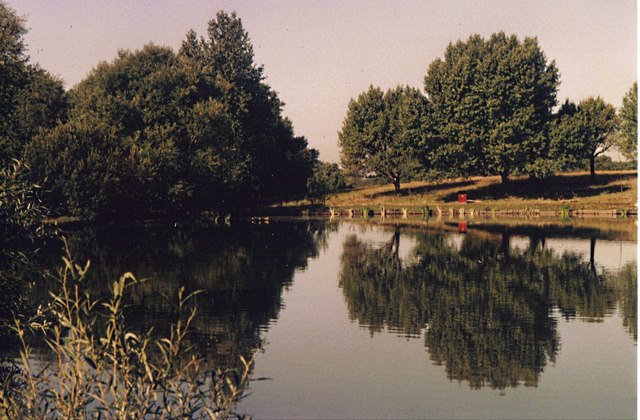 Large woodland area and country park in Greater Manchester, what remains of an ancient woodland.
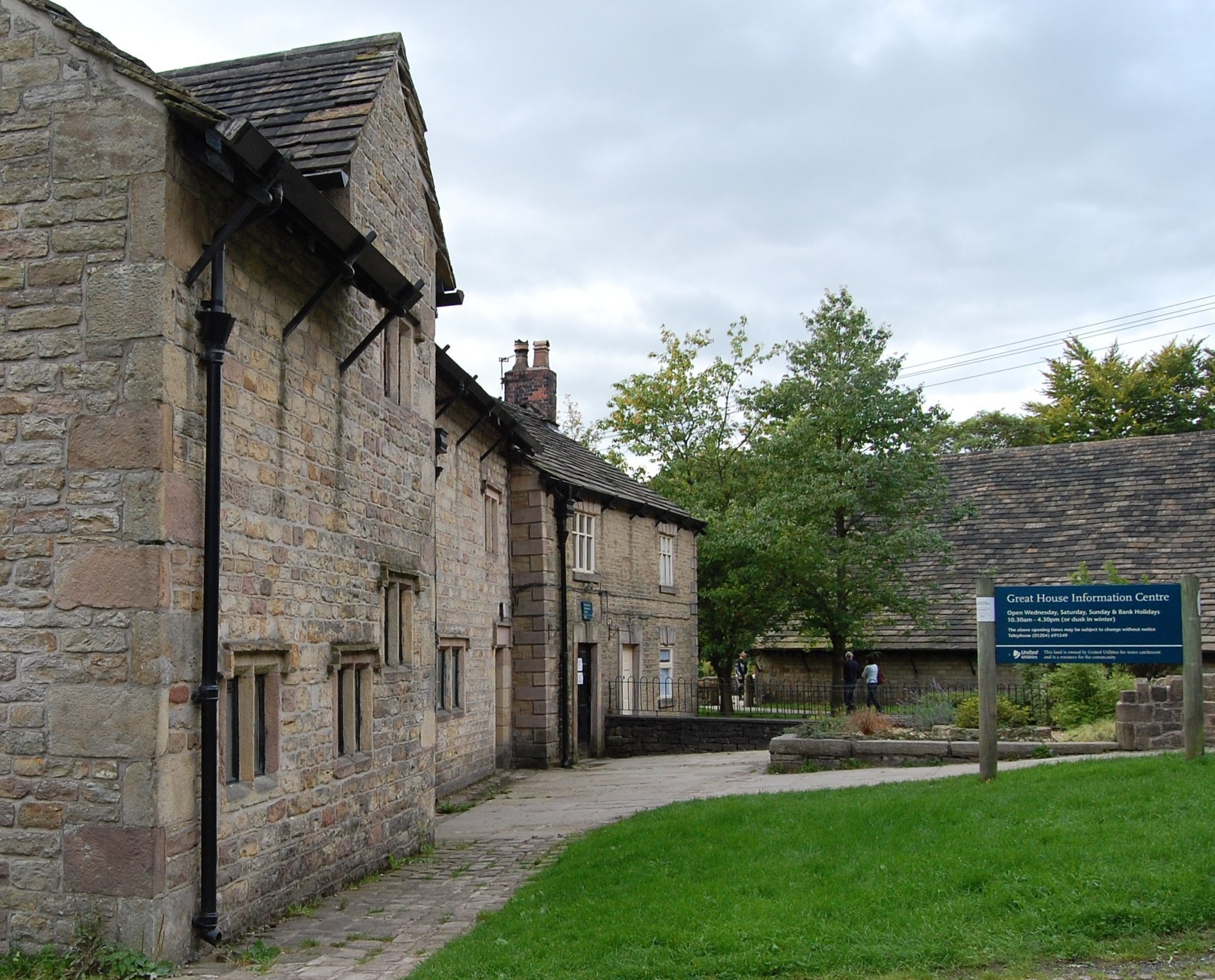 Grade II listed country park between Rivington in Lancashire and Horwich in Greater Manchester.
 First public park built in the city of Manchester for more than a century, officially opened in 2022.
 Parkland including a large artificial lake created by gravel extraction, a wildlife reserve, and part of the surrounding area's flood defences.
 Public green space in Sale, Greater Manchester.
