

117 cm × 74 cm (46 in × 29 in)
Wikimedia Commons
Psyche Opening the Golden Box is a painting in the Pre-Raphaelite Group of English artists formed in 1848 to counter what they saw as the corrupting influence of the late-Renaissance painter Raphael. style by the English artist John William Waterhouse
 English artist known primarily for his depictions of women set in scenes from myth, legend or poetry. He is the best known of that group of artists who from the 1880s revived the literary themes favoured by the Pre-Raphaelites. (1849–1917). Completed in 1903, like many of his later works, the picture contains only a single – almost invariably female – figure.[1]
In classical mythology, Psyche was a princess so beautiful that people adored her more than the goddess Venus, a sacrilege in the eyes of the goddess. So Venus sent her son, Cupid, to make Psyche fall in love with the ugliest creature he could find, but when Cupid saw Psyche he fell in love with her himself. They became lovers, but only met in the darkness of night, as Cupid forbade Psyche ever to look at him. When at last she succeeded in doing so, Cupid fled in fear of what punishment his mother might inflict on him.[2]
While subsequently searching for her lover, Psyche faced many obstacles thrown in her way by Venus, one of which involved a golden box she was forbidden to open. But she did open it, and fell into a deep, deathly sleep. The god Jupiter, however, ultimately decided that the lovers could be united for eternity.[2]
Psyche Opening the Golden Box was exhibited at the Royal Academy in 1903, since when it has been in a private collection.[2]
See also
- Psyche Entering Cupid’s Garden
 Painting in the Pre-Raphaelite style by John William Waterhouse (1849–1917), depicting Psyche attempting to catch a glimpse of her secretive lover.
 Painting by John William Waterhouse, completed in 1900, now in the collection of the Royal Academy of Arts.
 Oil painting by John William Waterhouse created in 1903, depicting the Greek god of the north wind.
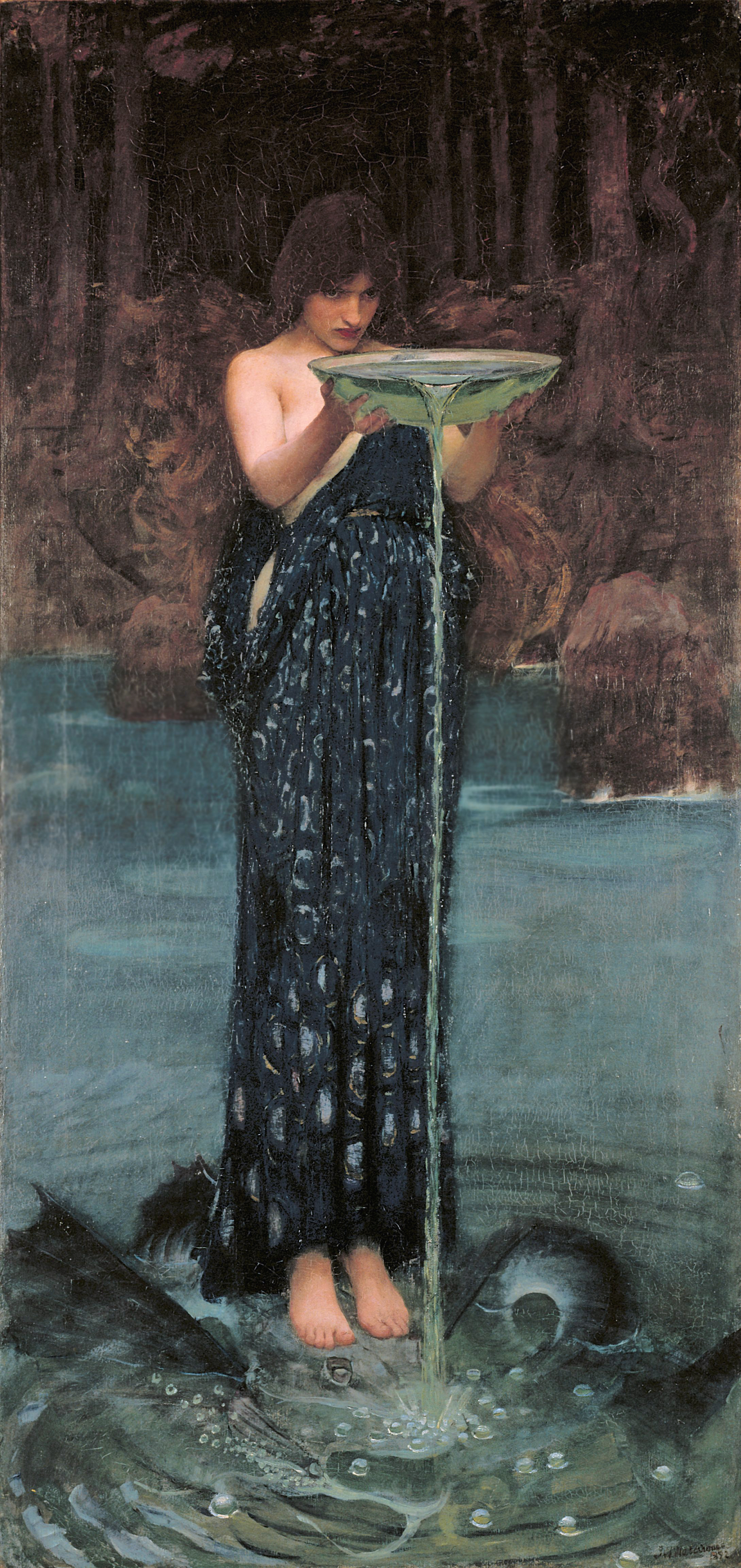 Painting by John William Waterhouse completed in 1892, his second depiction of the Greek mythological character Circe.
 Oil painting in the Pre-Raphaelite style by John William Waterhouse, created in 1891.
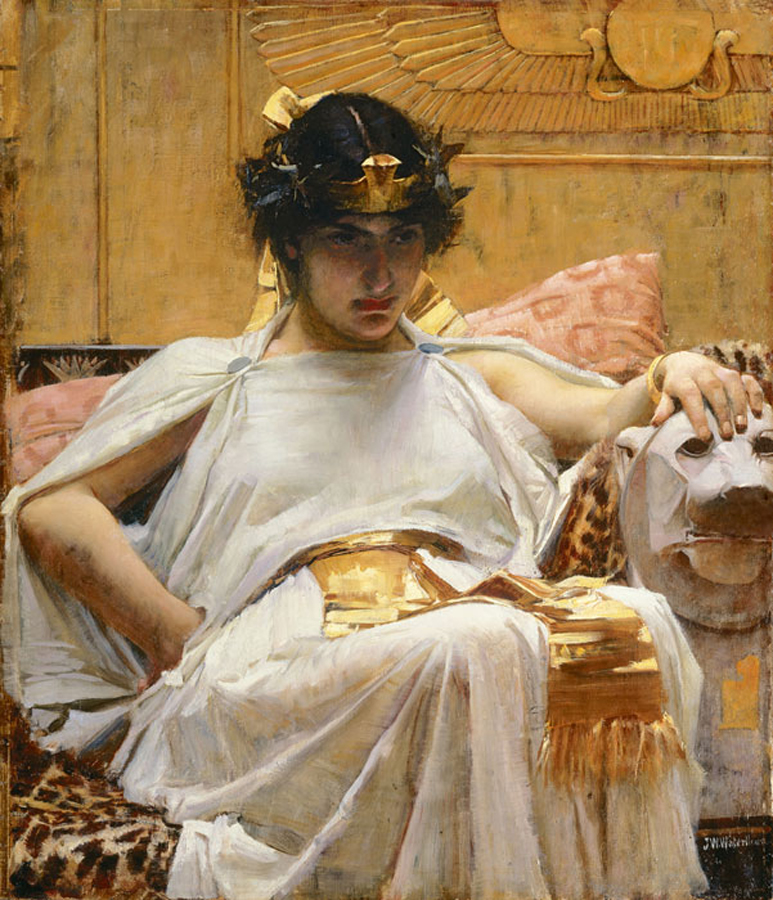 Painting by John William Waterhouse.
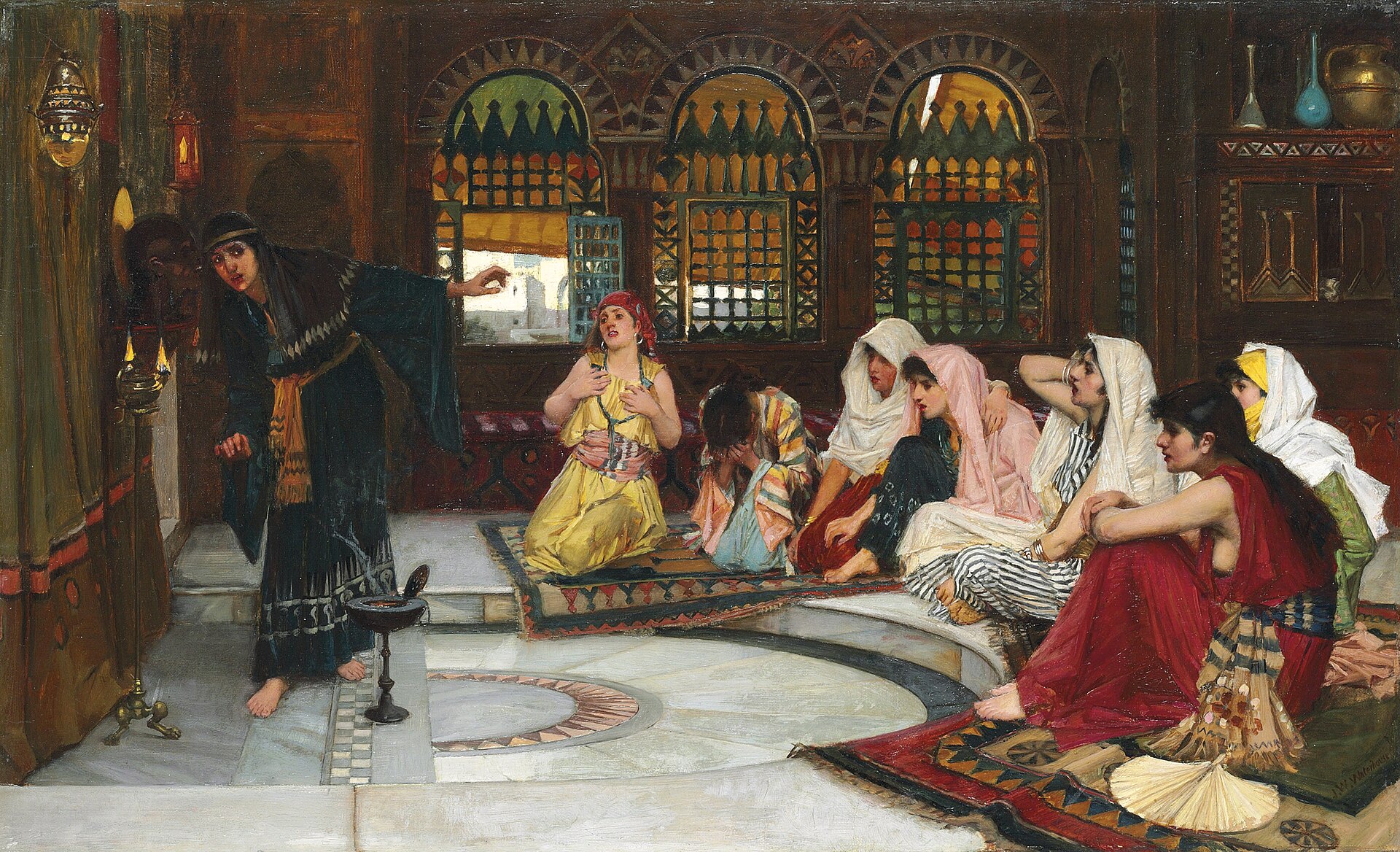 Oil painting by John William Waterhouse, showing a priestess using a mummified head, a tephra, as an oracle.
 Painting in the Pre-Raphaelite style by John William Waterhouse (1849–1917), his contribution to the Artists' War Fund in support of British troops fighting in the Boer War.
 Painting in the Pre-Raphaelite style by John William Waterhouse (1849–1917), the first of two paintings he produced with the same title.
 Painting in the Pre-Raphaelite style by John William Waterhouse (1849–1917), the second of two paintings he produced with the same title.
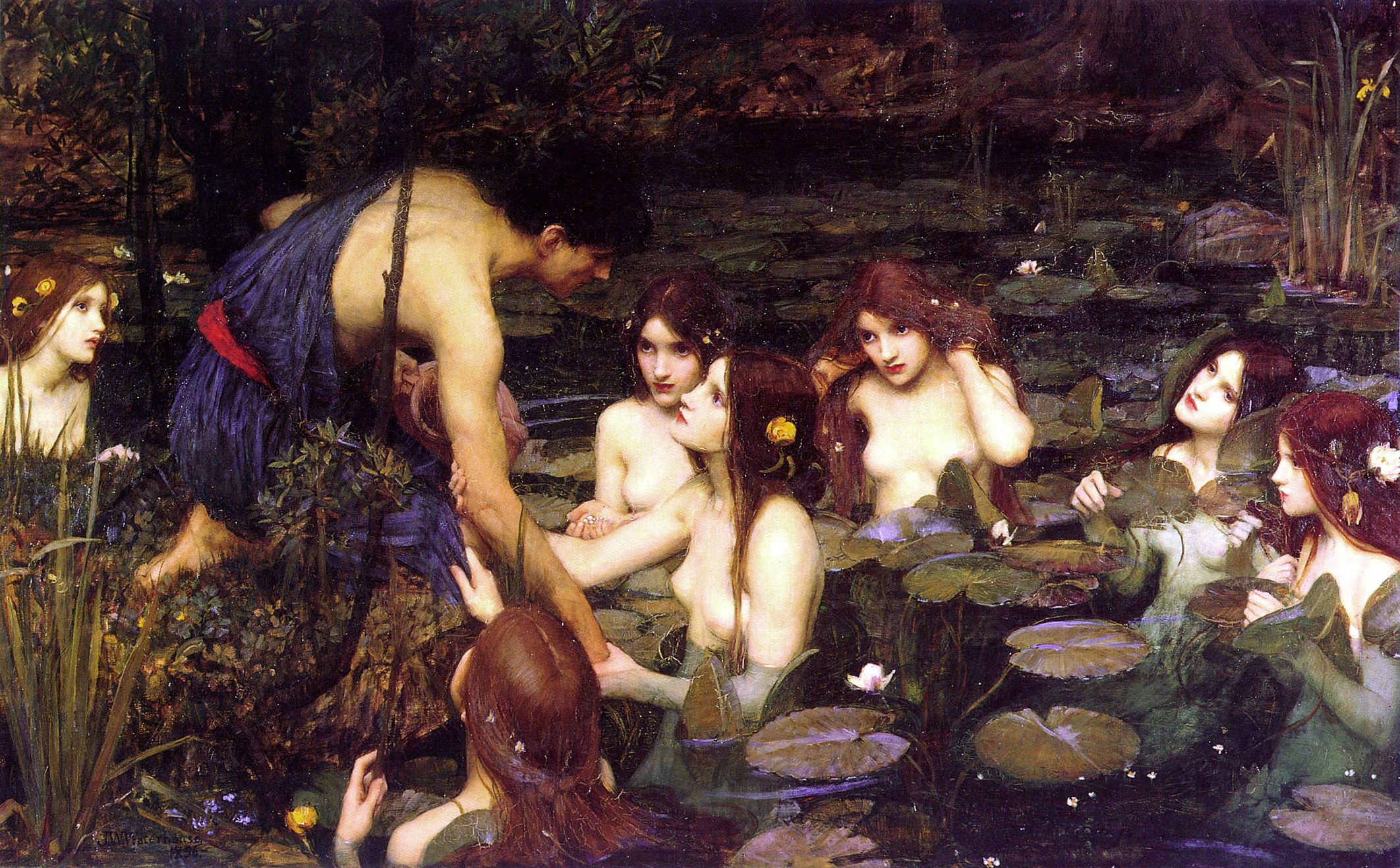 Painting by the English artist John William Waterhouse, exhibited at the Royal Academy Summer Exhibition in 1897. It shows the Greek hero Hylas being enticed to his death into a pool of water by a group of nymphs.
 Oil painting by John William Waterhouse depicting a story in Giovanni Boccaccio's Decameron.
 Oil painting by John William Waterhouse, the largest art work he ever produced.
 Painting in the Pre-Raphaelite style by John William Waterhouse (1849–1917).
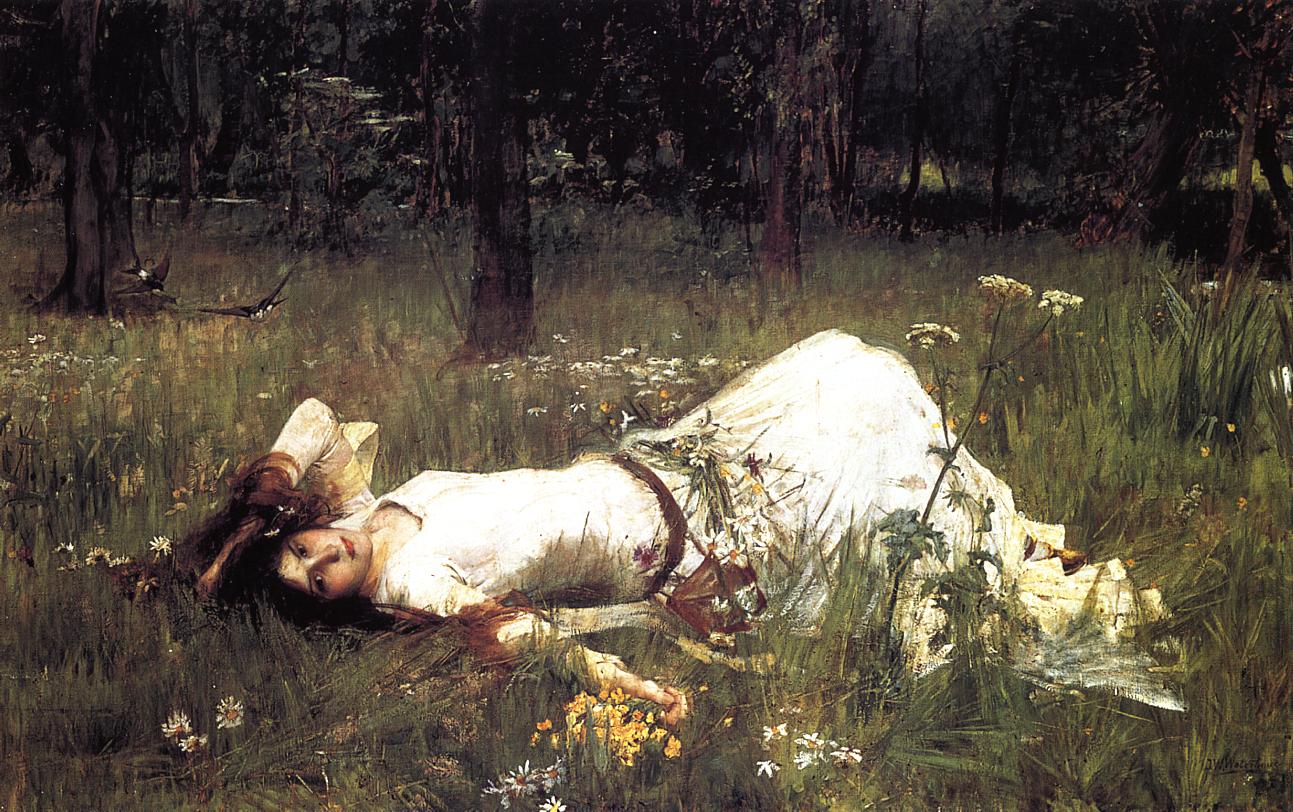 Series of three paintings by John William Waterhouse, reflecting his interpretation of Ophelia, a character from Shakespeare's Hamlet
 Painting by John William Waterhouse.
 Oil on canvas painting by the English artist John William Waterhouse, commissioned by the Aberdeen Art Gallery and completed in 1912.
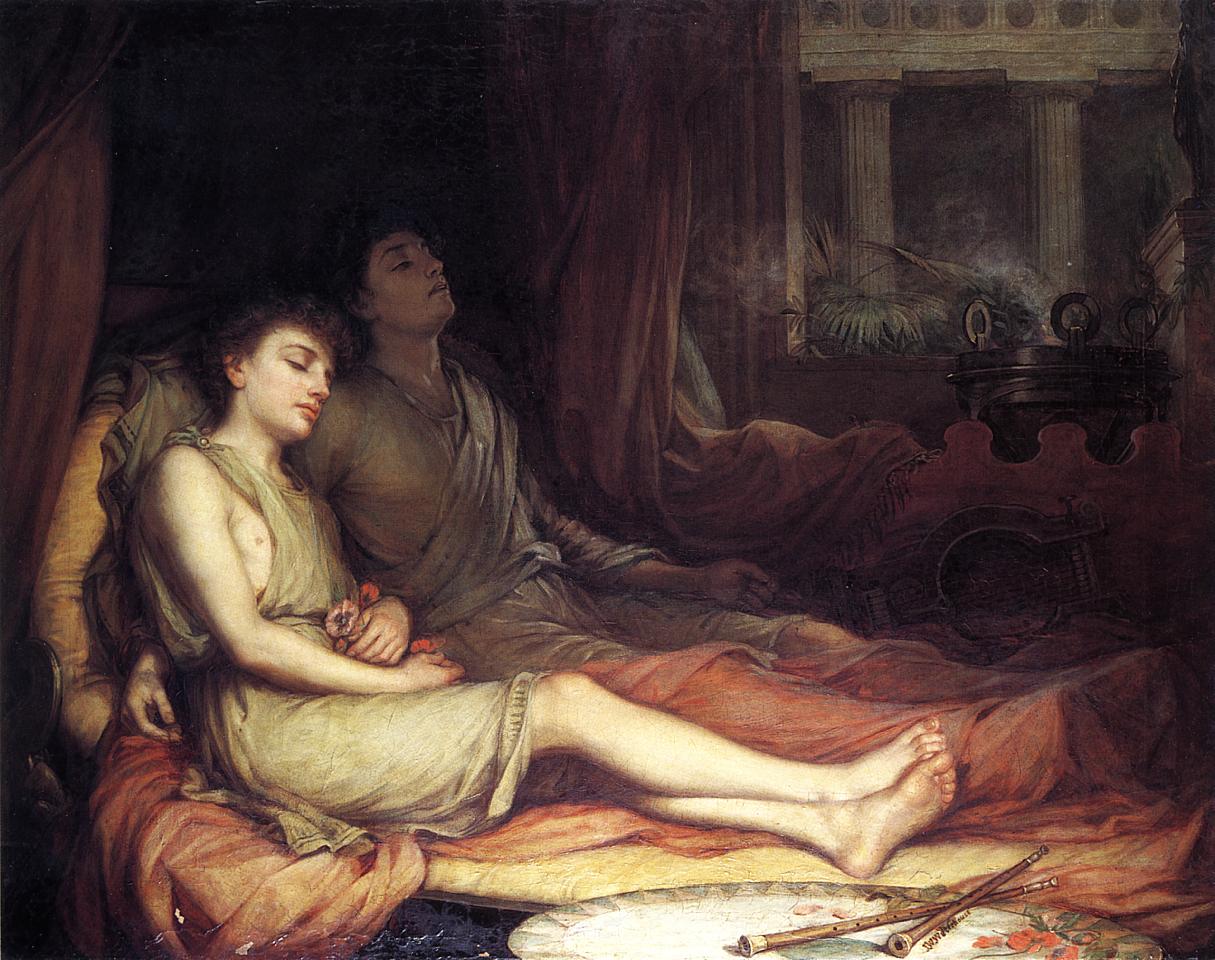 Oil on canvas painting completed by John William Waterhouse in 1874
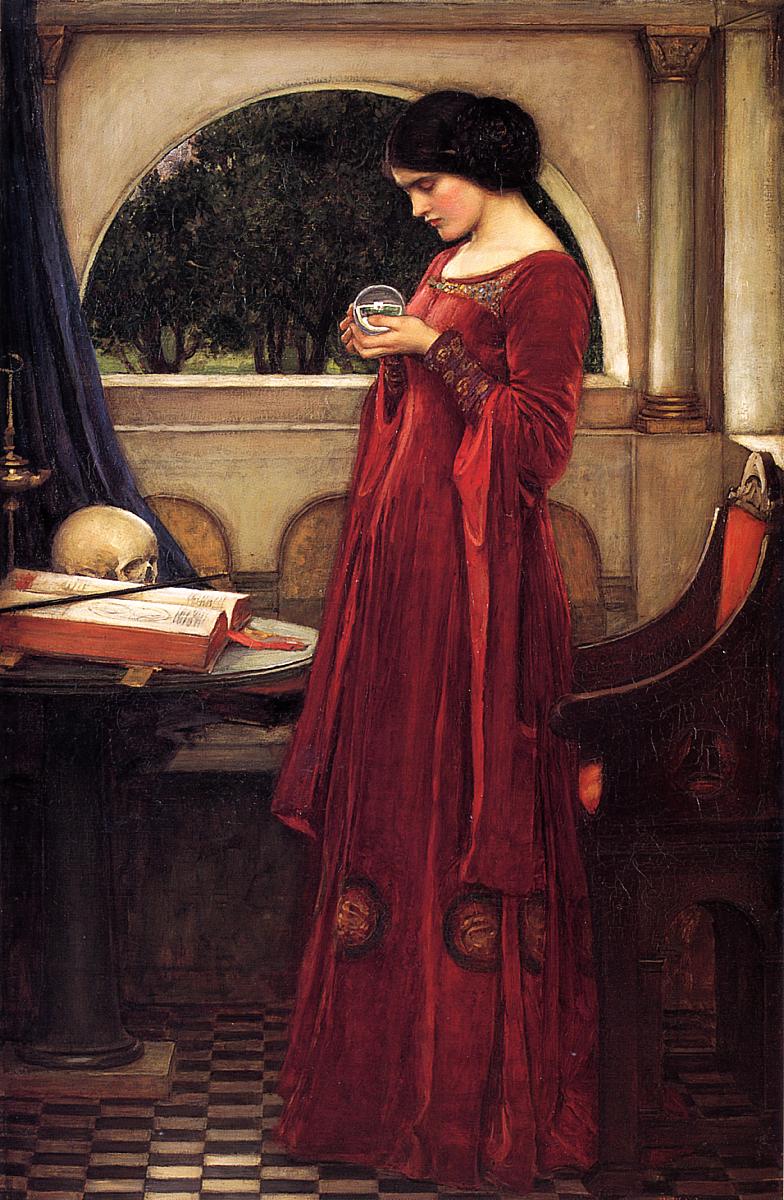 Oil painting by John William Waterhouse, completed in 1902
 Oil on canvas painting by John William Waterhouse, exhibited at the Royal Academy in 1906.
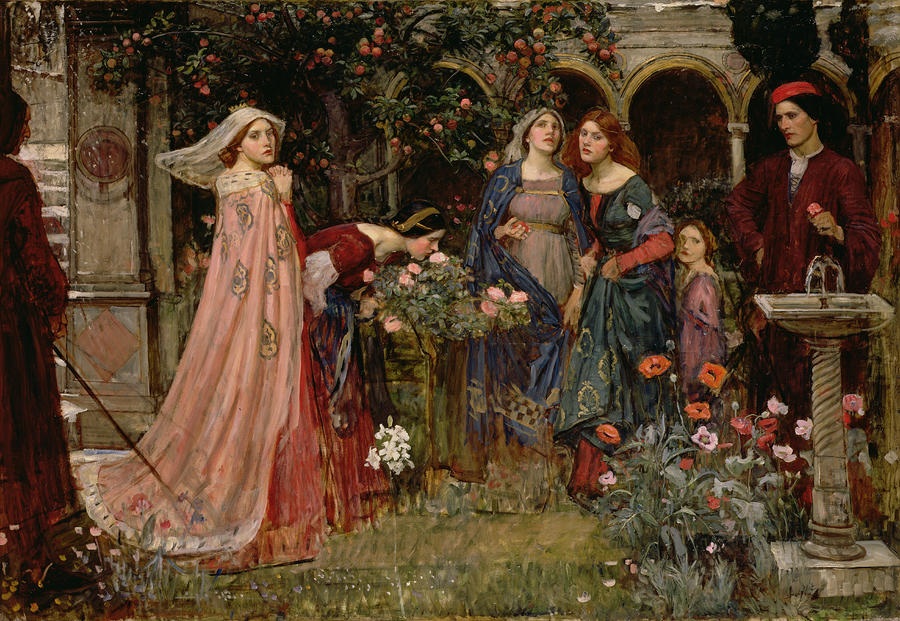 Oil painting by John William Waterhouse depicting a story in Boccaccio's Decameron.
 Oil painting by English artist John William Waterhouse; the first in his trilogy featuring The Lady of Shalott
 Oil painting by John William Waterhouse, one of his earliest depictions of a classical sorceress.
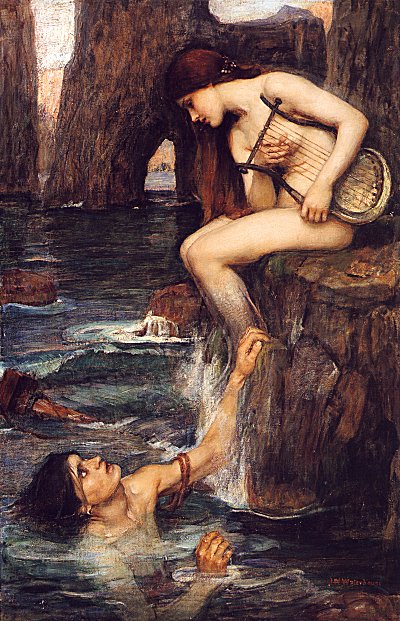 Painting by John William Waterhouse.
