
Answer to Prayer
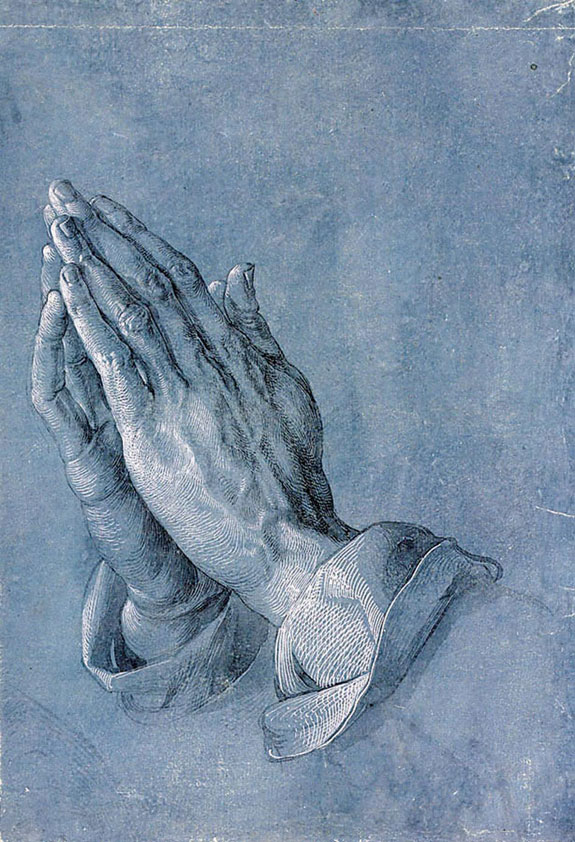 Last short story written by H. G. Wells, published in 1937, about an archbishop who develops doubts about his relationship with God.
Articles for which there is no corresponding Wikipedia article.
Last short story written by H. G. Wells, published in 1937, about an archbishop who develops doubts about his relationship with God.
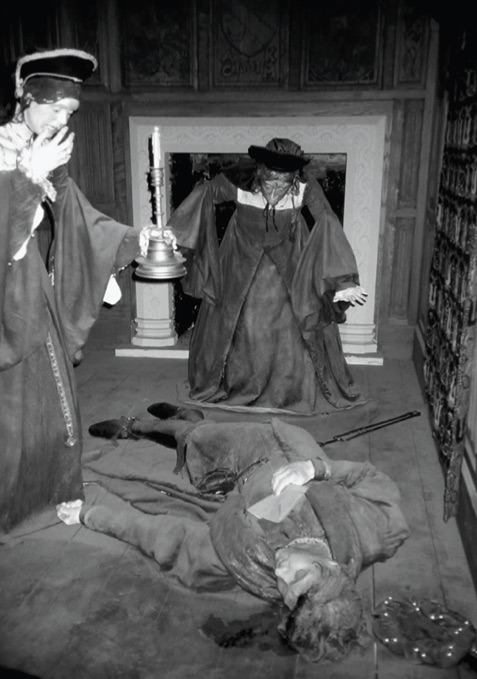 16th-century Scottish woman convicted of the murder of her first husband, Alexander Cant.
 Edinburgh merchant and property investor convicted of murdering her son-in-law in 1535.
 Earliest surviving example of a dry dock on Britain’s canals.
 Short story by H. G. Wells published in 1896, about a schoolmaster who comes into possession of an apple from the Tree of Knowledge.
Affluent merchant, baillie of Edinburgh, and owner Fortalice of Ardgith, now Ellon Castle.
Woman from the small farming village of Pampisford, in Cambridgeshire, convicted of witchcraft in an ecclestiastical court in Ely in 1566.
 17th-century woman also known as Mother Red Cap and the Shrew of Kentish Town, suspected of being a witch, a murderer and poisoner.
 Short story by H. G. Wells first published in 1896, about the ethical dilemma faced by a student who inadvertently cheats during his botany exam.
Janet or Jonet Kennedy from Redden or Reydon was a Scottish visionary involved in the North Berwick witch trials of 1590–1593.
 Edinburgh widow who was tried, convicted and executed for witchcraft.
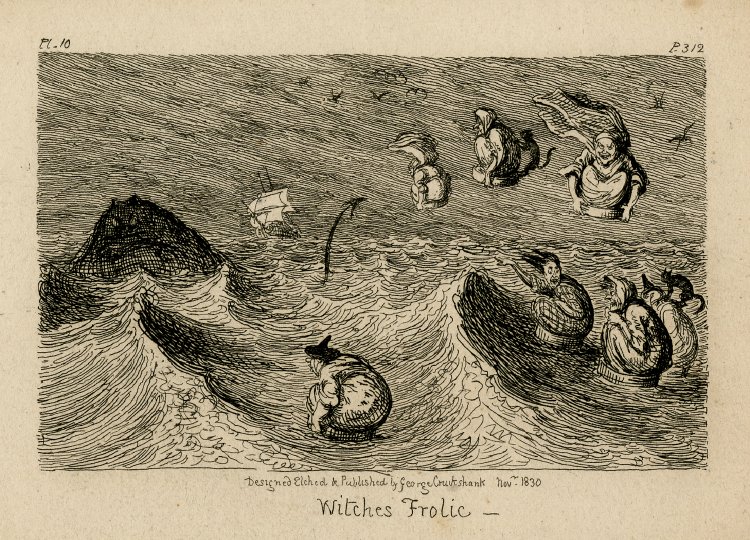 Scottish midwife, cunning woman and healer; central figure in the North Berwick witch trials.
 The 1594 trial of alleged witch Allison Balfour is one of the most frequently cited Scottish witchcraft cases.
 Woman accused of witchcraft and conspiracy to murder during the North Berwick witch trials.
 Six Scottish women accused of witchcraft on Bute during the Great Scottish Witch Hunt of 1661–1662.
 Scottish woman who confessed to witchcraft and deceiving islanders by pretending she was mute.
 Wealthy Scottish heiress and member of the gentry convicted of witchcraft. A key figure in the North Berwick witchcraft trials of 1590–1591.
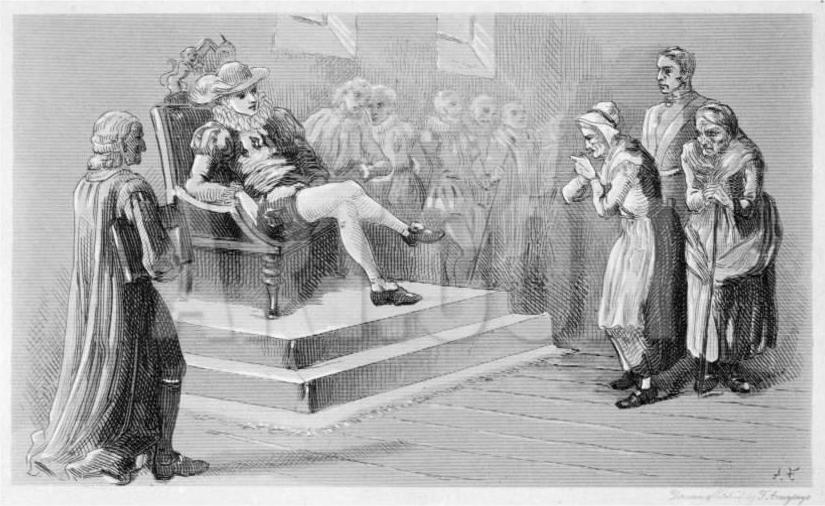 Young Scottish maidservant suspected of witchcraft by her employer in November 1590. After being tortured, the initial testimony she gave led to the start of the North Berwick witch trials.
 Scottish woman accused of witchcraft in 1662 and probably executed, whose detailed testimony provides one of the most comprehensive insights into European witchcraft folklore at the end of the era of witch-hunts.
 Scottish woman found guilty and executed for witchcraft and associating with fairies.
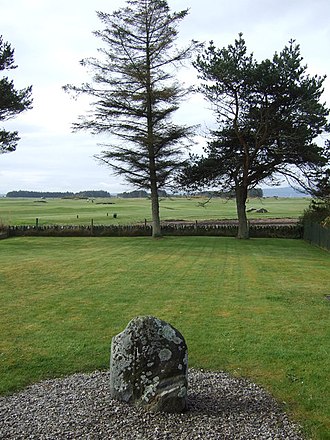 Alleged name of the last person to be executed for witchcraft in the British Isles, in 1727.
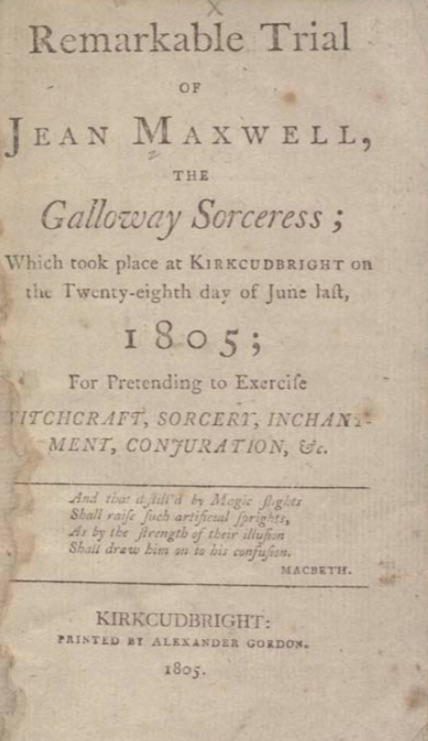 Scottish cunning woman convicted of pretending to practise witchcraft
 Orcadian woman executed for witchcraft in 1629.
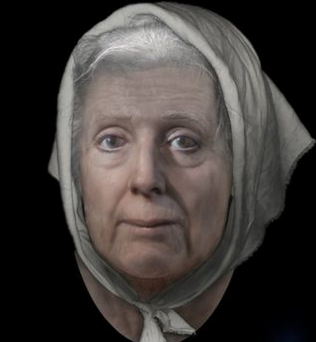 Elderly Torryburn woman who died after confessing to witchcraft; her face was reconstructed from photos of her skull.
 Pivotal figure in the great Scottish witchcraft panic of 1597.
 Also known as the Bargarran witches or the Renfrewshire witches, were tried in Paisley, Renfrewshire, central Scotland, in 1697.
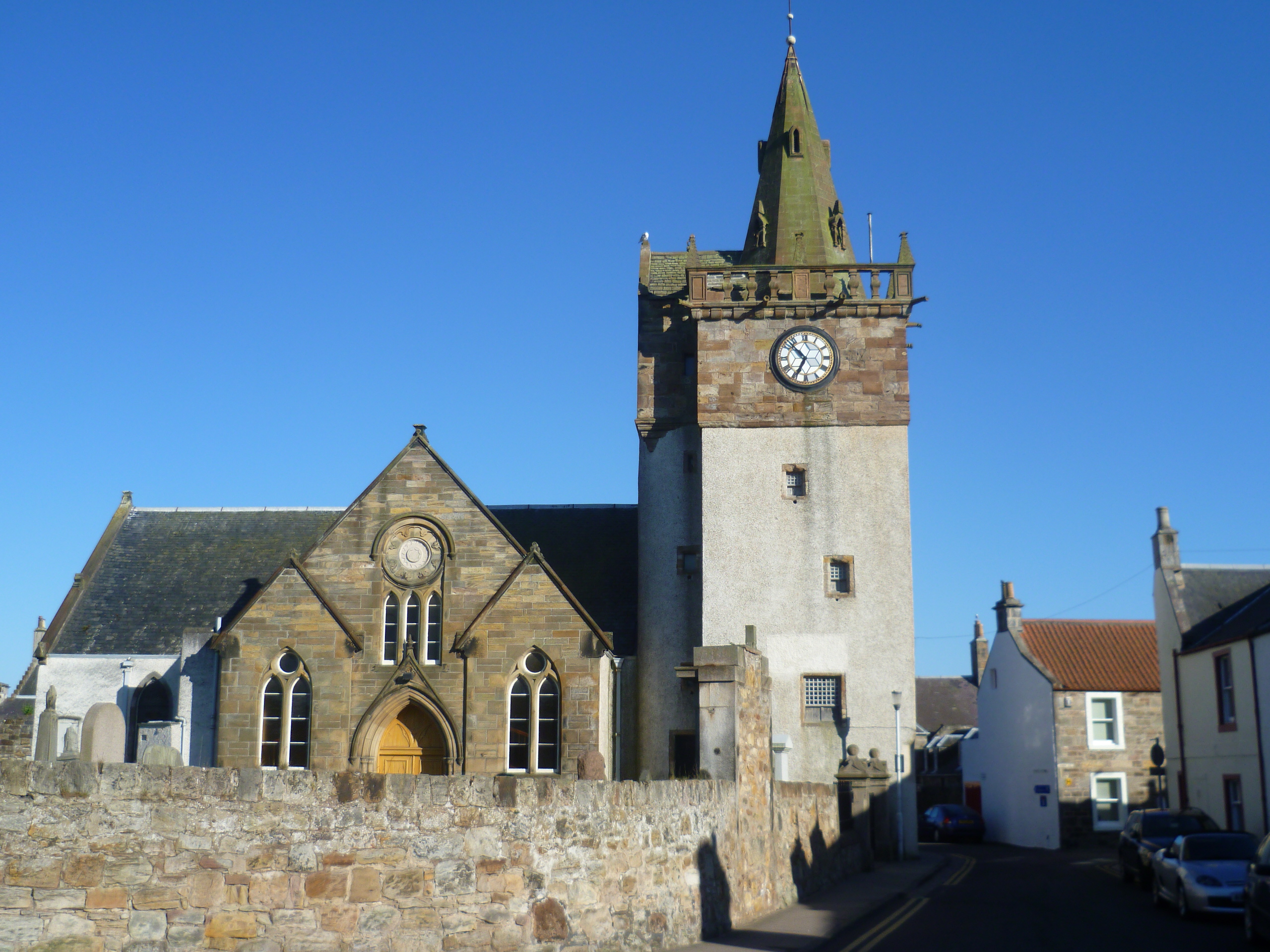 Five Scottish women accused of witchcraft in the small fishing village of Pittenweem in Fife on the east coast of Scotland in 1704.
[wpdreams_ajaxsearchlite]
Some hopefully helpful guidance on how certain aspects of our articles are implemented.

| Answer to Prayer | |
|---|---|
| Last short story written by H. G. Wells, published in 1937, about an archbishop who develops doubts about his relationship with God. |
|
| 20 | |
| Facebook post Not on Wikipedia |
|
| 49 | |