
Henry Ernest Milner
English civil engineer and landscape architect
English civil engineer and landscape architect
 Internationally recognised authority on folk dancing and its related music and folk customs.
John Greenwood (1788–1851) was the keeper of a toll-gate in Pendleton on the Manchester to Liverpool turnpike, who In 1824 inaugurated the United Kingdom’s first omnibus service.
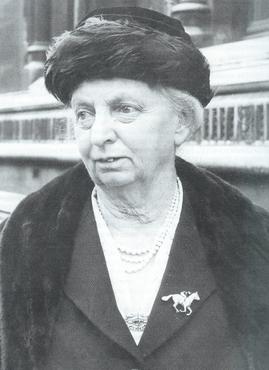 Trainer and breeder of racehorses, a breeder of pedigree dogs, and an active feminist
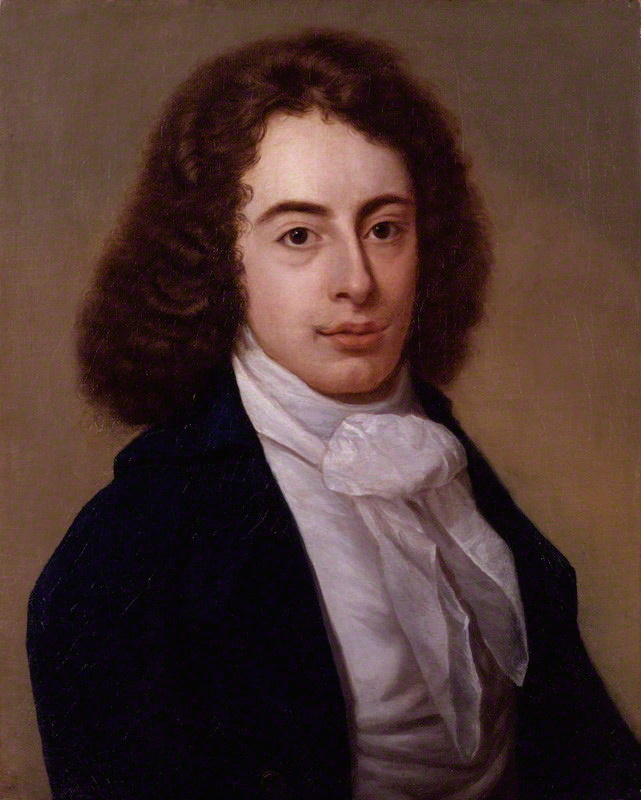 Robert Southey (12 August 1774 – 21 March 1843) was an English poet of the Romantic school, one of the Lake Poets along with William Wordsworth and Samuel Taylor Coleridge, and England’s poet laureate for 30 years, from 1813 until his death in 1843.
 English financier (1859–1947) who specialised in acquiring companies and then reselling them at inflated prices, making himself substantial profits in the process.
 Property developer whose work with Daniel Adamson and others led to the construction of the Manchester Ship Canal, completed in 1894.
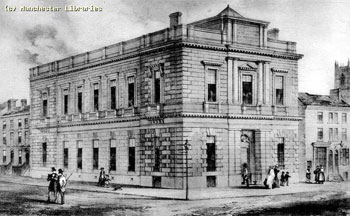 First library to be set up under the provisions of the Public Libraries Act 1850, in Manchester, England, which allowed local authorities to impose a local tax of one penny to pay for the service.
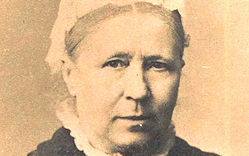 Early advocate for women’s rights, born in Gomersal in the West Riding of Yorkshire, England, (1817–1893).
 Emily Susan Ford (1850–1930), artist and campaigner for women’s rights, was born into a Quaker family in Leeds. She trained as an artist at the Slade School of Art and exhibited at the Royal Academy.
[wpdreams_ajaxsearchlite]
Some hopefully helpful guidance on how certain aspects of our articles are implemented.

| Henry Ernest Milner | |
|---|---|
| English civil engineer and landscape architect | |
| 29 | |
| 51 | |