
The Story of the Late Mr. Elvesham
 Short story by H. G. Wells first published in 1896, about a young man whose body is taken over by an elderly philosopher.
Articles for which there is no corresponding Wikipedia article.
Short story by H. G. Wells first published in 1896, about a young man whose body is taken over by an elderly philosopher.
Short story by H. G. Wells first published in 1896, about the lost will left by a rich uncle.
Minor devil tasked with tempting monks into corrupt and lascivious behaviour.
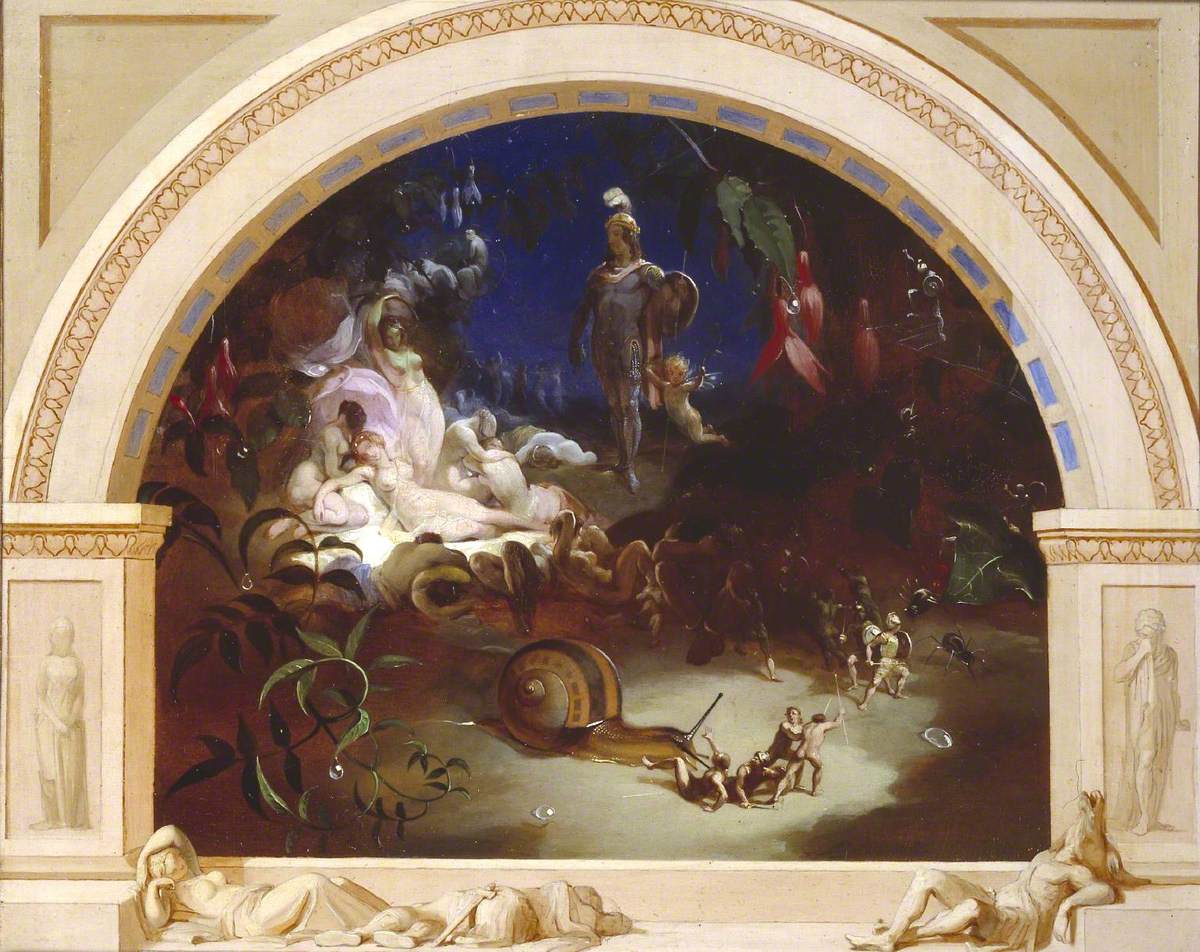 English portrait painter particularly recognised for his fairy paintings.
 Short story written by H. G. Wells first published in 1895, about a British soldier who, trapped on a ledge, improvises a parachute to escape.
Essay by H. G. Wells first published in 1894, about Professor Gargoyle’s regret for the decline in swearing.
Short story by H. G. Wells first published in 1894, about a man’s reflections on his unsightly nose.
Pamphlet purporting to tell the story of Mary Hicks, executed for witchcraft in 1716.
 Short story by H. G. Wells first published in 1894, about an episode in the romantic life of a young maidservant who is engaged to be married.
 Female spirit in Irish and Scottish folklore whose wailing voice is heard before the death of a member of the family to which she is attached.
 Mythological creatures who seek out sailors to drown and stricken boats to sink.
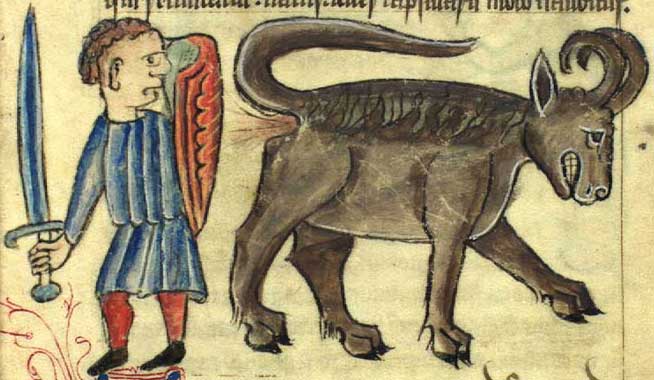 Mythical beast with a bull's head and a horse's body, able to expel large amounts of caustic excreta from its it anus.
 Shapeshifting entity of the lochs of the west coast of Scotland
 Ancient Celtic hag goddess who in her various guises shaped the land, controlled the forces of nature, and was responsible for the harsh nature of winter.
 Fairy cat of the Highlands of Scotland, black and as large as a dog.
 Spirit that protects graveyards from witches and the Devil, usually appearing as a black dog.
 Mythical heraldic beast hatched from a rooster's egg hatched by a toad, said to be able to kill with its stare.
 Spirit said to inhabit the ruins of Dryburgh Abbey in Berwickshire. Scotland.
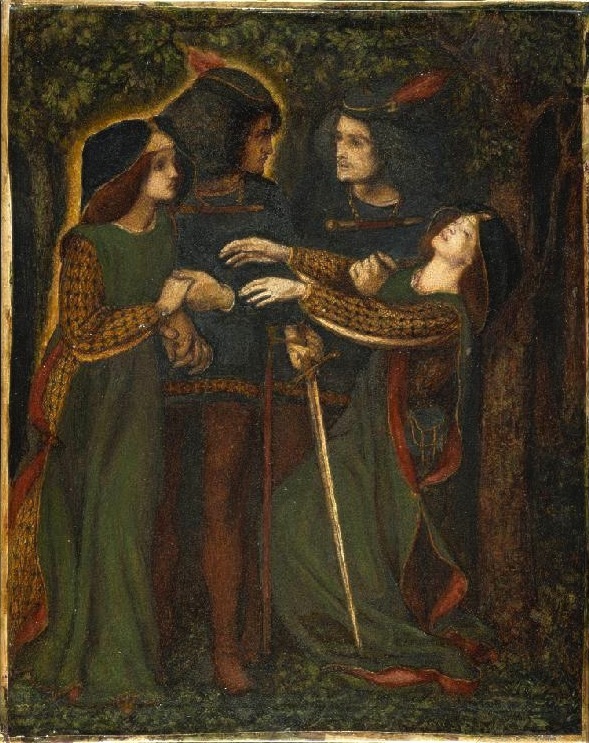 Apparition in the form of a double of a living person, often a portent of death.
 Demon in male form that seeks to have sexual intercourse with a sleeping woman.
 Fairy from Scottish folklore that dresses as a soldier, challenging passersby to fight. But anyone who takes up the challenge will die, win or lose.
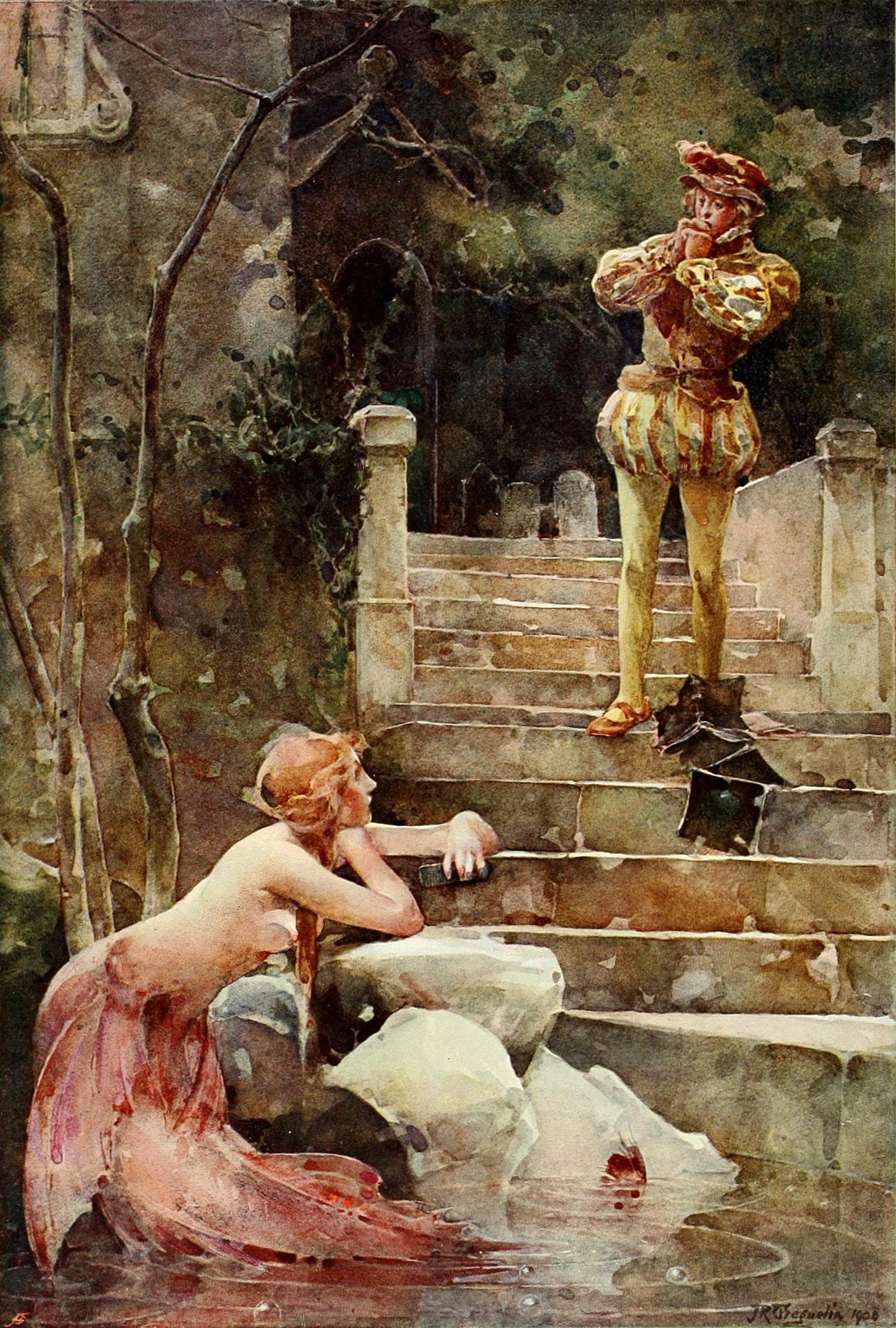 Mermaid who enticed a chorister from the local parish church to live with her in the sea.
 Usually considered to be a mythical creature of legend, it has also been identified as a rock hyrax.
 Horse-like demon from Orcadian mythology that shares some of the characteristics of humans.
 Imaginary being invoked by adults to scare children away from dangerous places or frighten them into good behaviour.
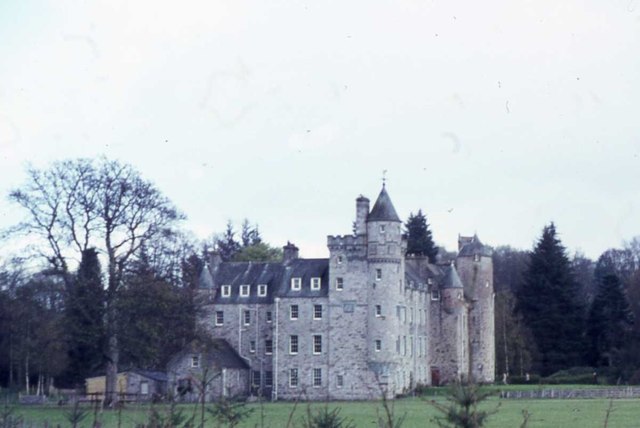 Evil fairies said to live in the peel towers and castles of the Scottish border with England.
 Mythical being of Orcadian folklore that lives in the sea during summer; also known as Mither of the Sea.
 Gigantic evil sea serpent of Orcadian folklore, capable of contaminating plants and destroying animals and humans with its putrid breath.
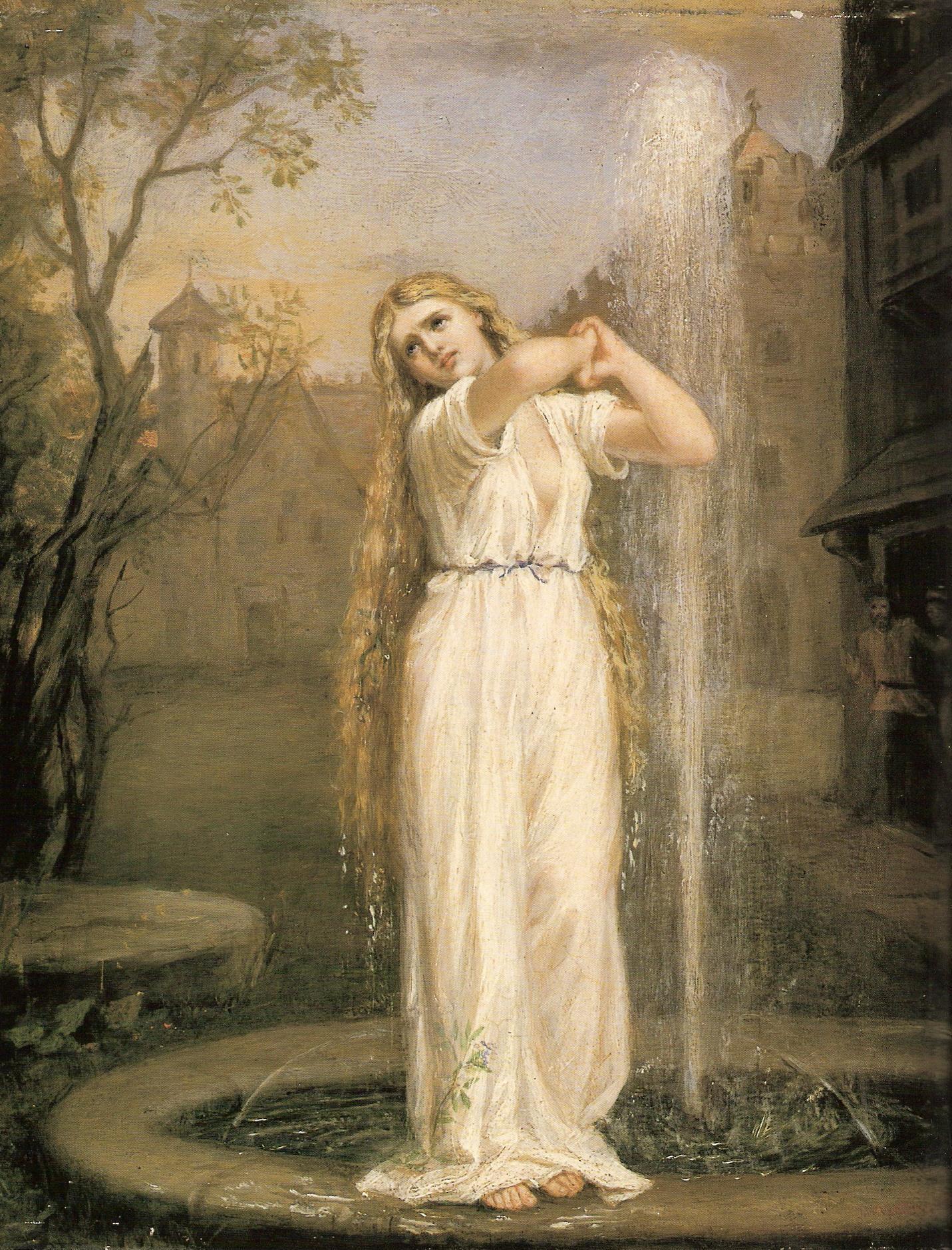 Undines (or ondines) are a category of imaginary elemental beings associated with water, first named in the alchemical writings of Paracelsus. Similar creatures are found in classical literature, particularly Ovid's Metamorphoses.
 Fairy being, part of the folklore of the Shetland Islands off the coast of Scotland, a type of werewolf, half man, half wolf.
 Heraldic beast whose meaning is "proud defence". Although it has never been identified with a living or extinct creature, it may be based on descriptions of Indian water buffalos.
 Mythological creature with an upper body in the form of an armed knight, fused with the tail of a fish.
[wpdreams_ajaxsearchlite]
Some hopefully helpful guidance on how certain aspects of our articles are implemented.

| The Story of the Late Mr. Elvesham | |
|---|---|
| Short story by H. G. Wells first published in 1896, about a young man whose body is taken over by an elderly philosopher. |
|
| 31 | |
| Not on Wikipedia |
|
| 49 | |