

Wikimedia Commons
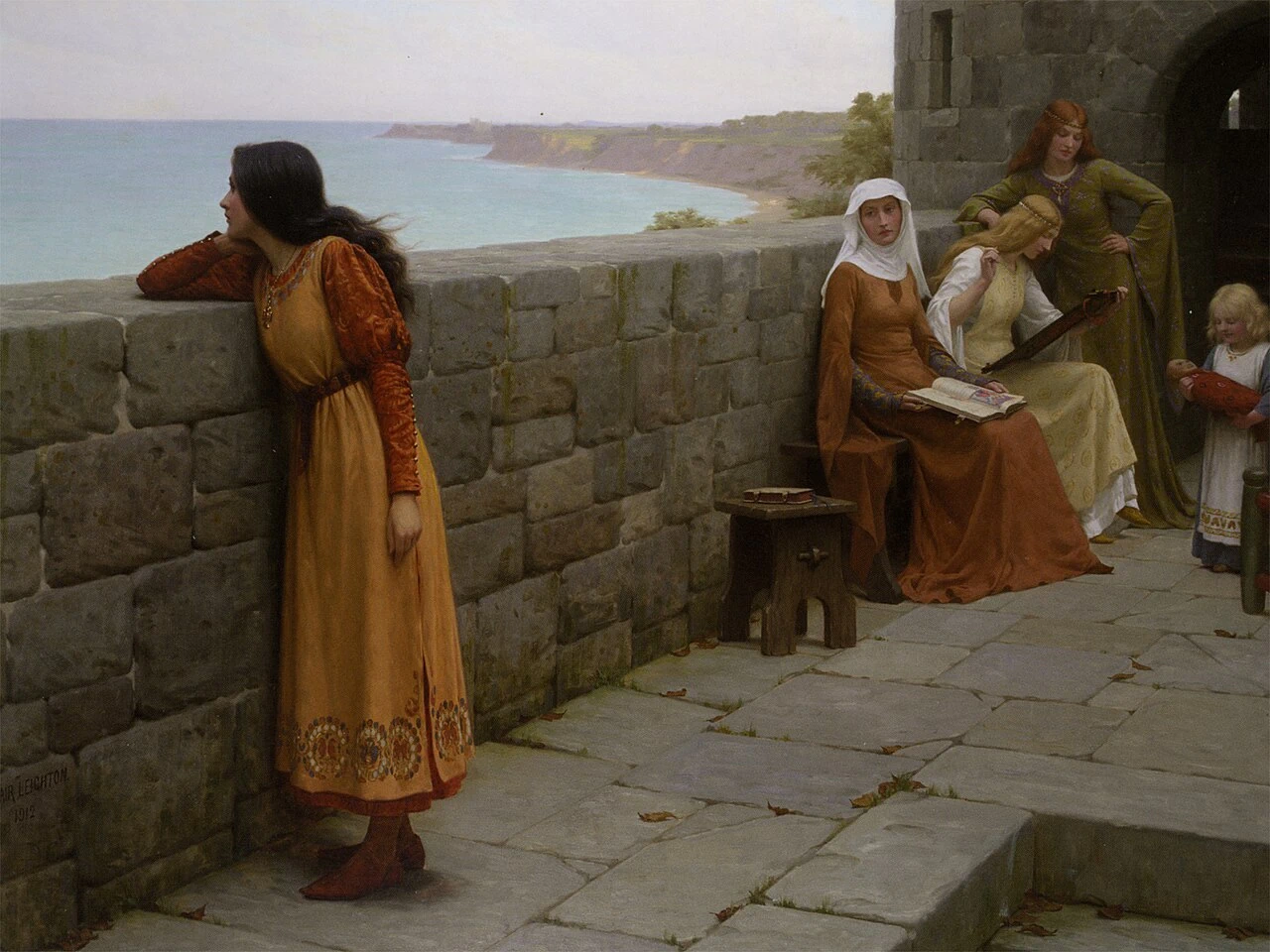
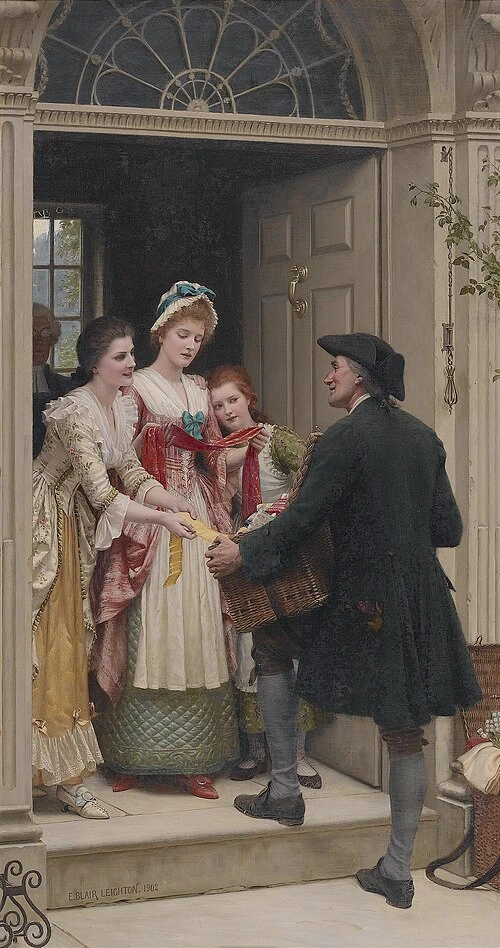
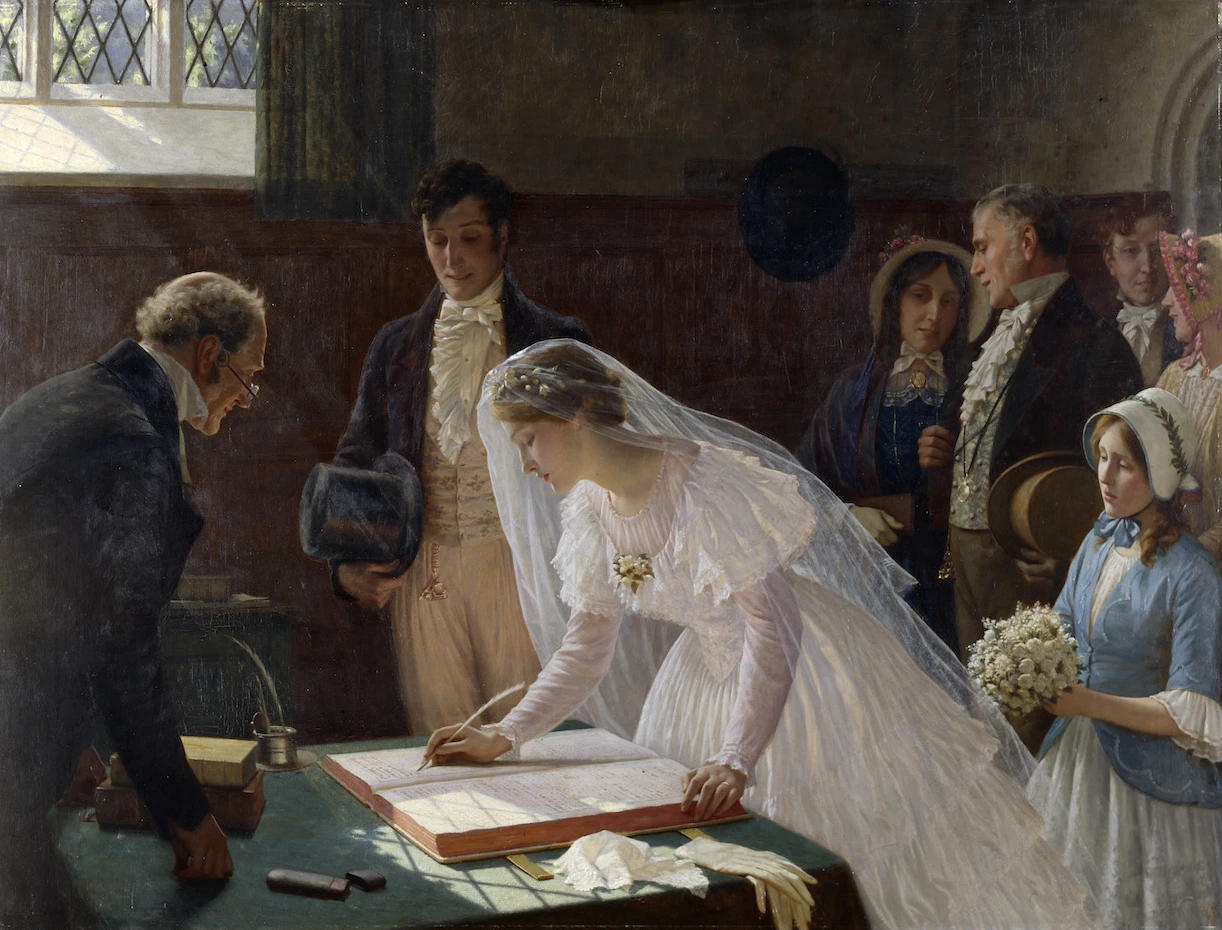
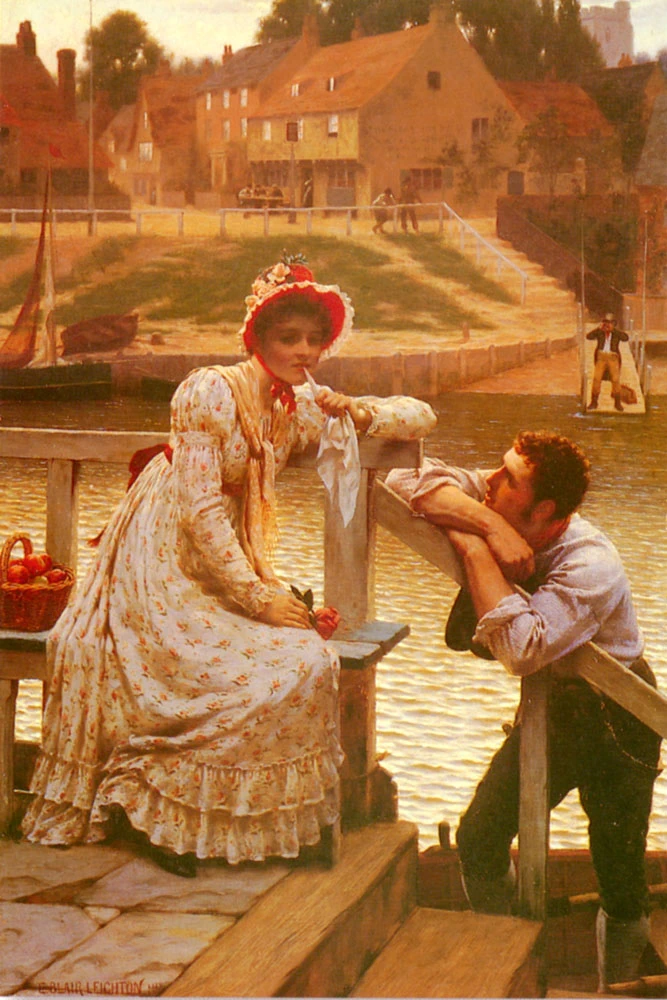
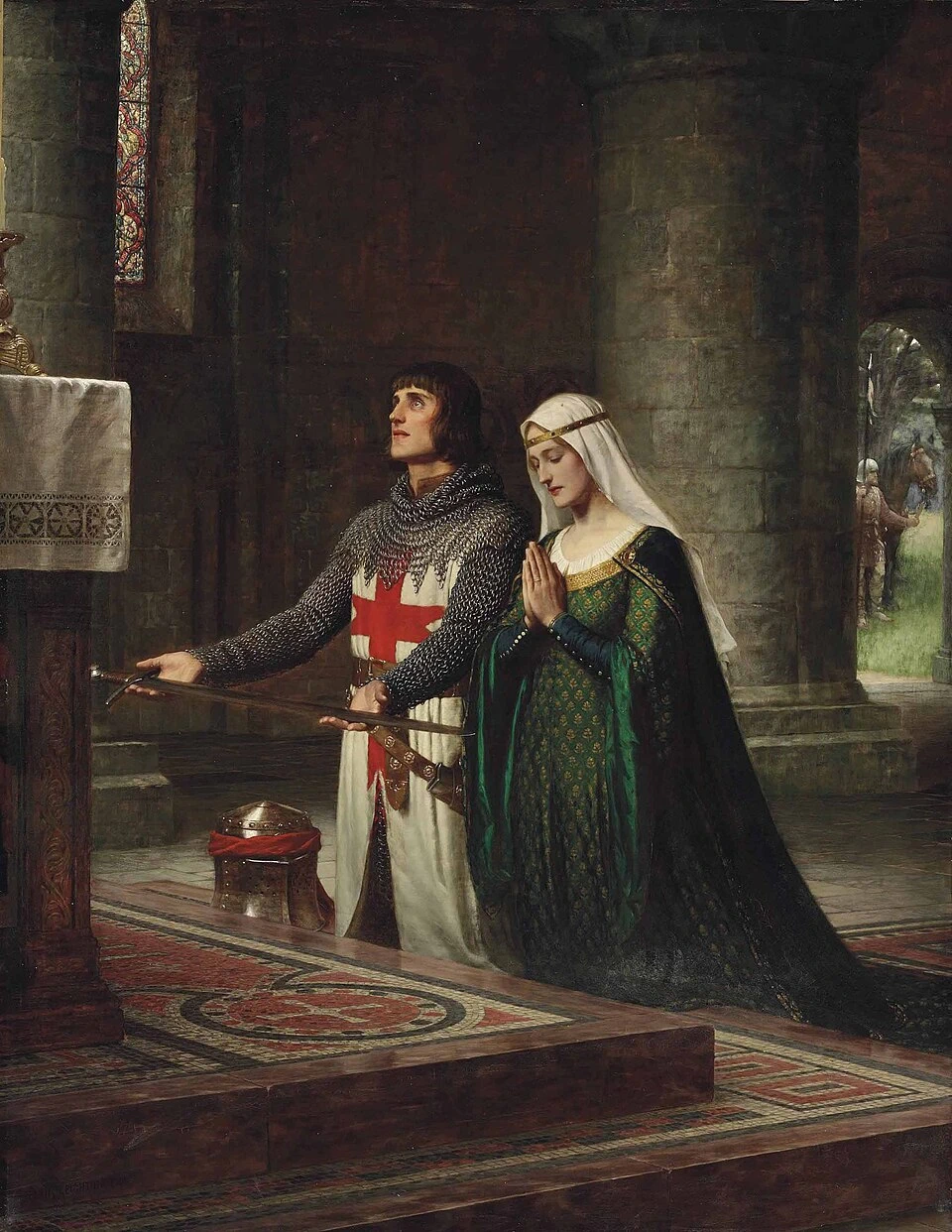
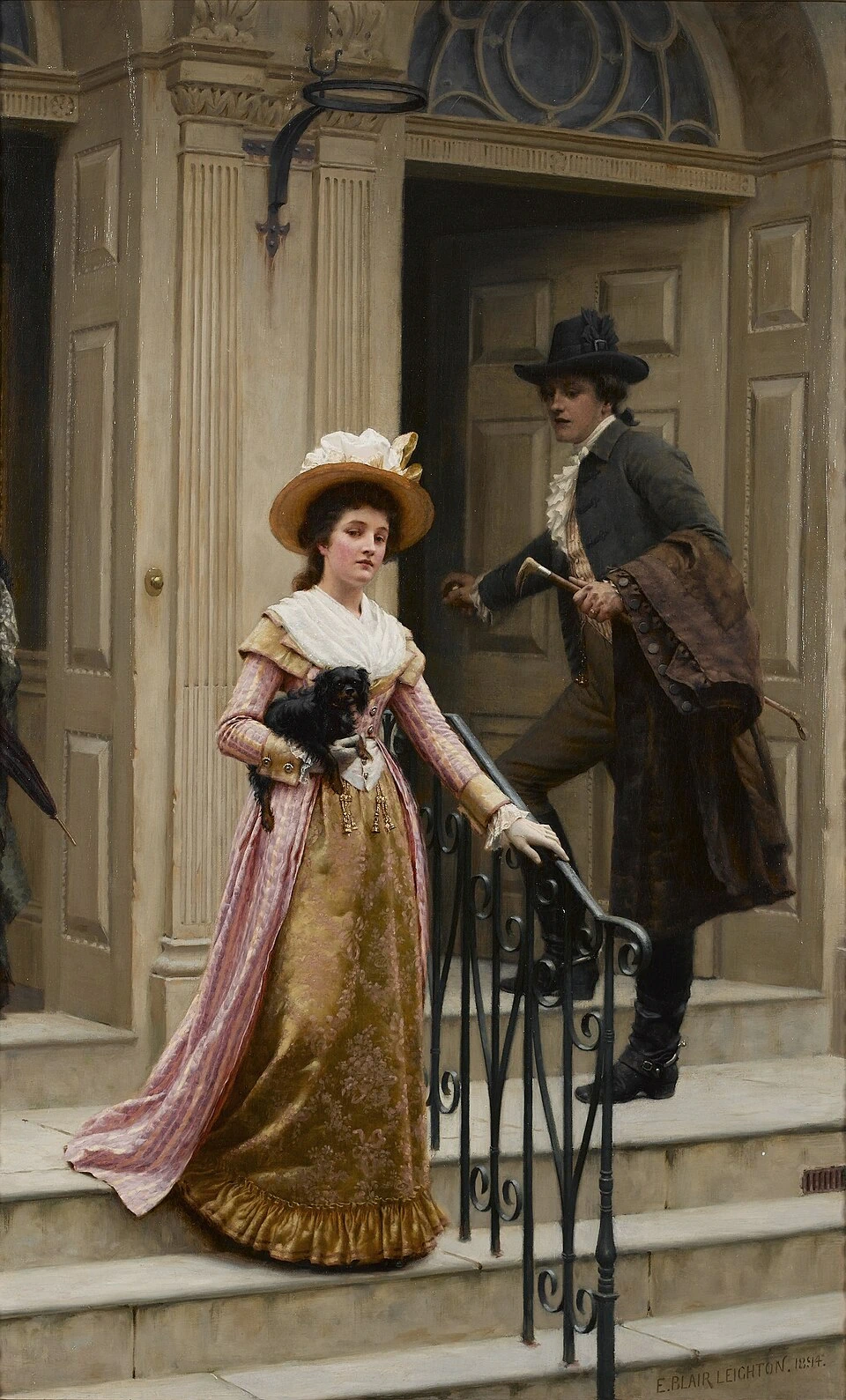
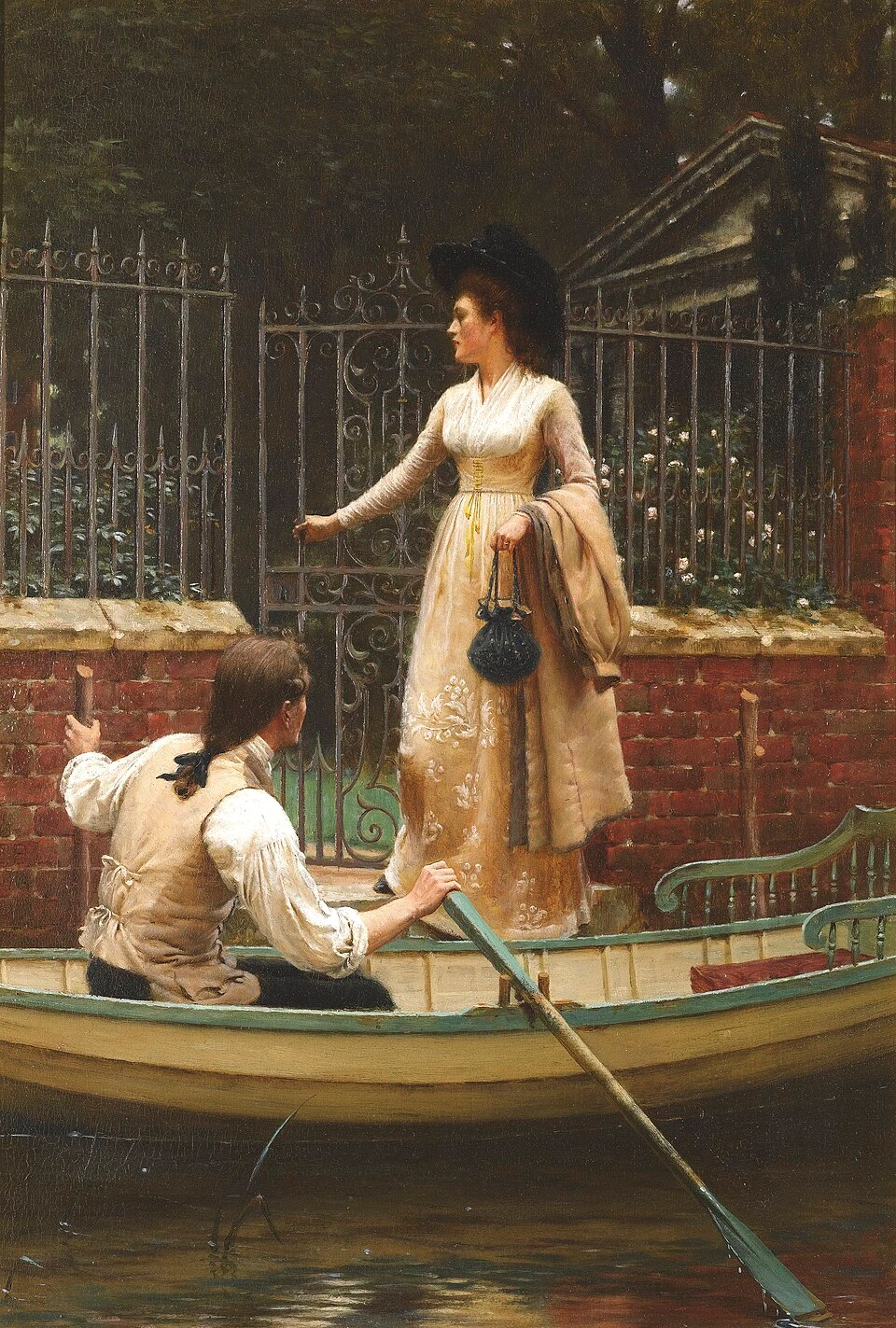
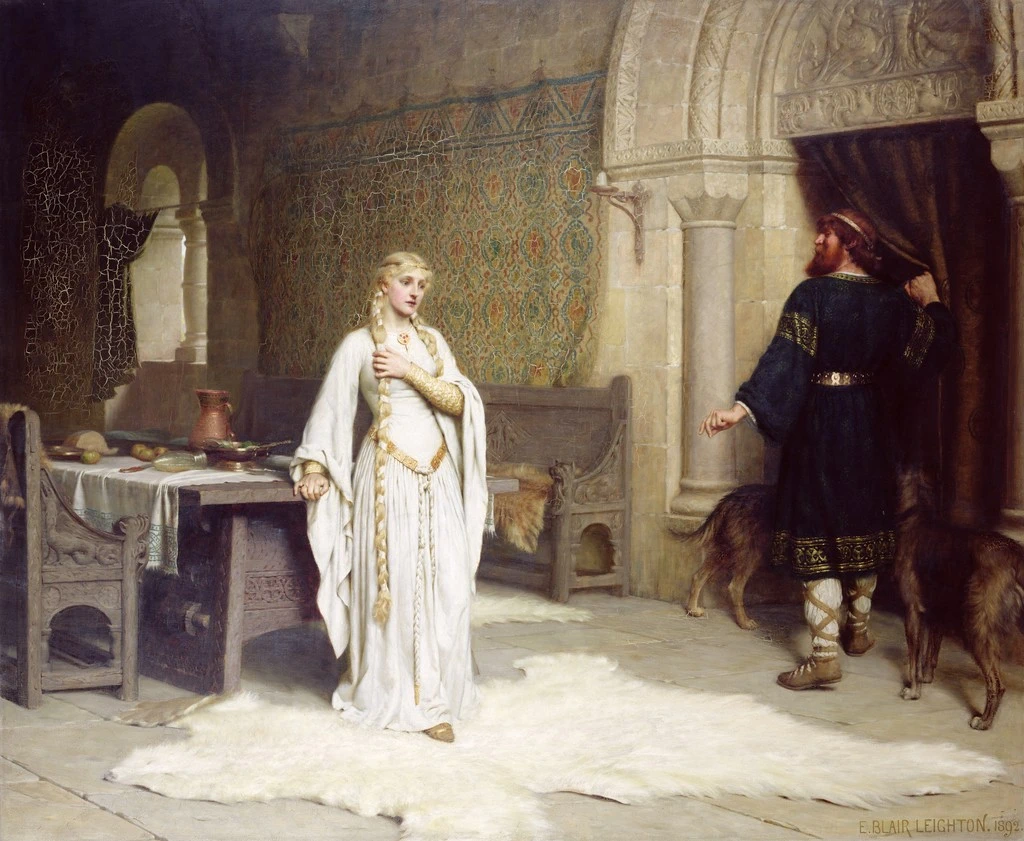
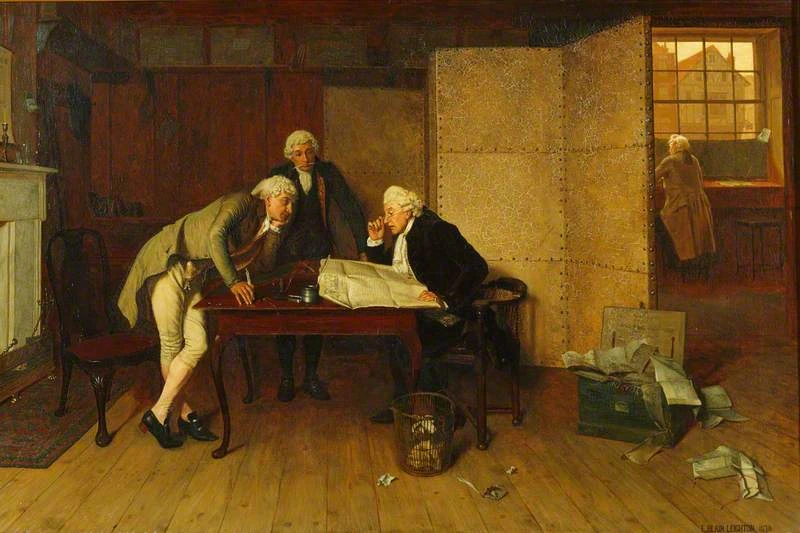
Edmund Blair Leighton (21 September 1853 – 1 September 1922) was an English painter of religious scenes, historical genre Paintings that depict scenes of ordinary people going about their everyday lives. scenes, and portraits.[1] Although he is associated with the Pre-Raphaelite
 Group of English artists formed in 1848 to counter what they saw as the corrupting influence of the late-Renaissance painter Raphael. movement of the mid-to-late 19th and early 20th centuries, his work is less stylised and more naturalistic.[2]
Born in London, the son of the painter Charles Blair Leighton (1823–1855) and Caroline Leighton, née Boosey, Leighton was educated at University College School, leaving at the age of 15 to take up employment with a tea merchant. In pursuance of his interest in art, he attended evening classes in South Kensington, and then at Heatherley’s School in Newman Street, London, before joining the Royal Academy Schools aged 21.[3] Although he exhibited regularly at the Royal Academy from 1878 until 1920, he never became an academician or an associate, although he did become a member of the Royal Institute of Oil Painters.[1][3]
Leighton married Katherine Nash in 1885, with whom he had a son, the painter E. J. Blair Leighton, and a daughter. He died in London on 1 September 1922.[3]
 English lithographer and painter (1868–1947), best known for his portraits, nudes and landscapes.
 Victorian painter, principally of genre and historical subjects.
 English painter, knighted in 1878.
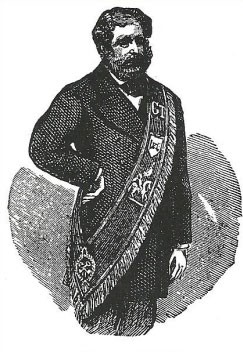 Artist and entrepreneur who started a business at the age of 20, manufacturing banners and regalia.
 English painter of genre, landscape and historical scenes (c. 1846 –1909).
 Blacksmith and self-taught artist whose major work, The Forge, was completed in 1847.
 English landscape painter best known for his depictions of moonlight urban scenes and damp, autumnal lanes often featuring a lonely house and a single figure.
 English artist (1814–1886) who became a professional miniature painter in 1835, later focusing on landscapes and portraits of children.
 English painter and illustrator, recognised as a specialist in painting female fairies, frequently nude.
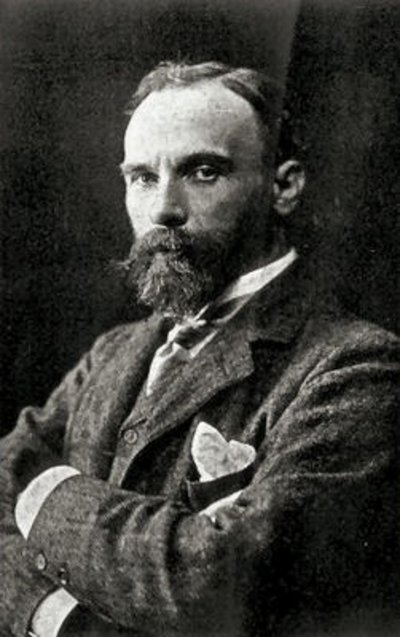 English artist known primarily for his depictions of women set in scenes from myth, legend or poetry. He is the best known of that group of artists who from the 1880s revived the literary themes favoured by the Pre-Raphaelites.
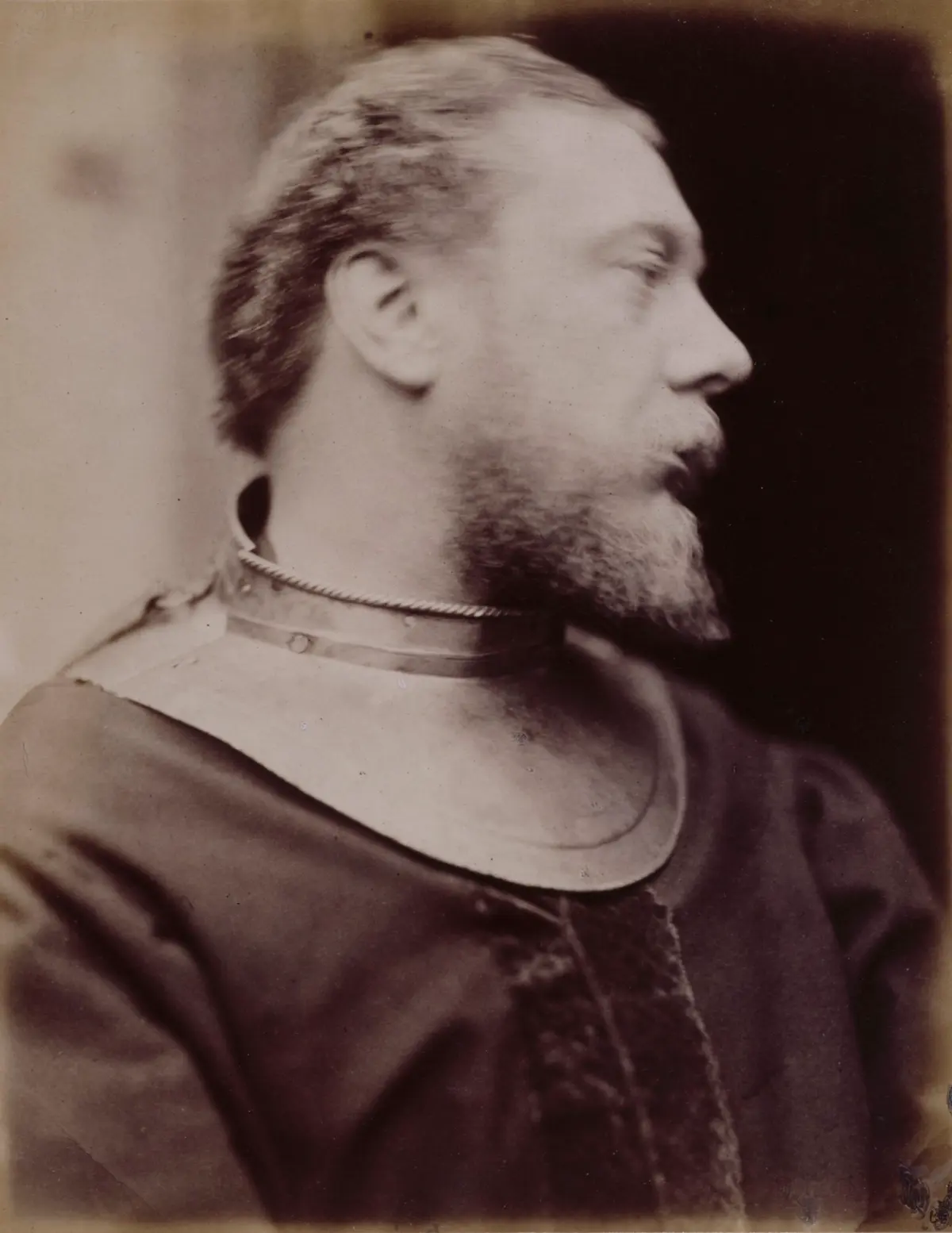 English watercolour painter (1831–1884).
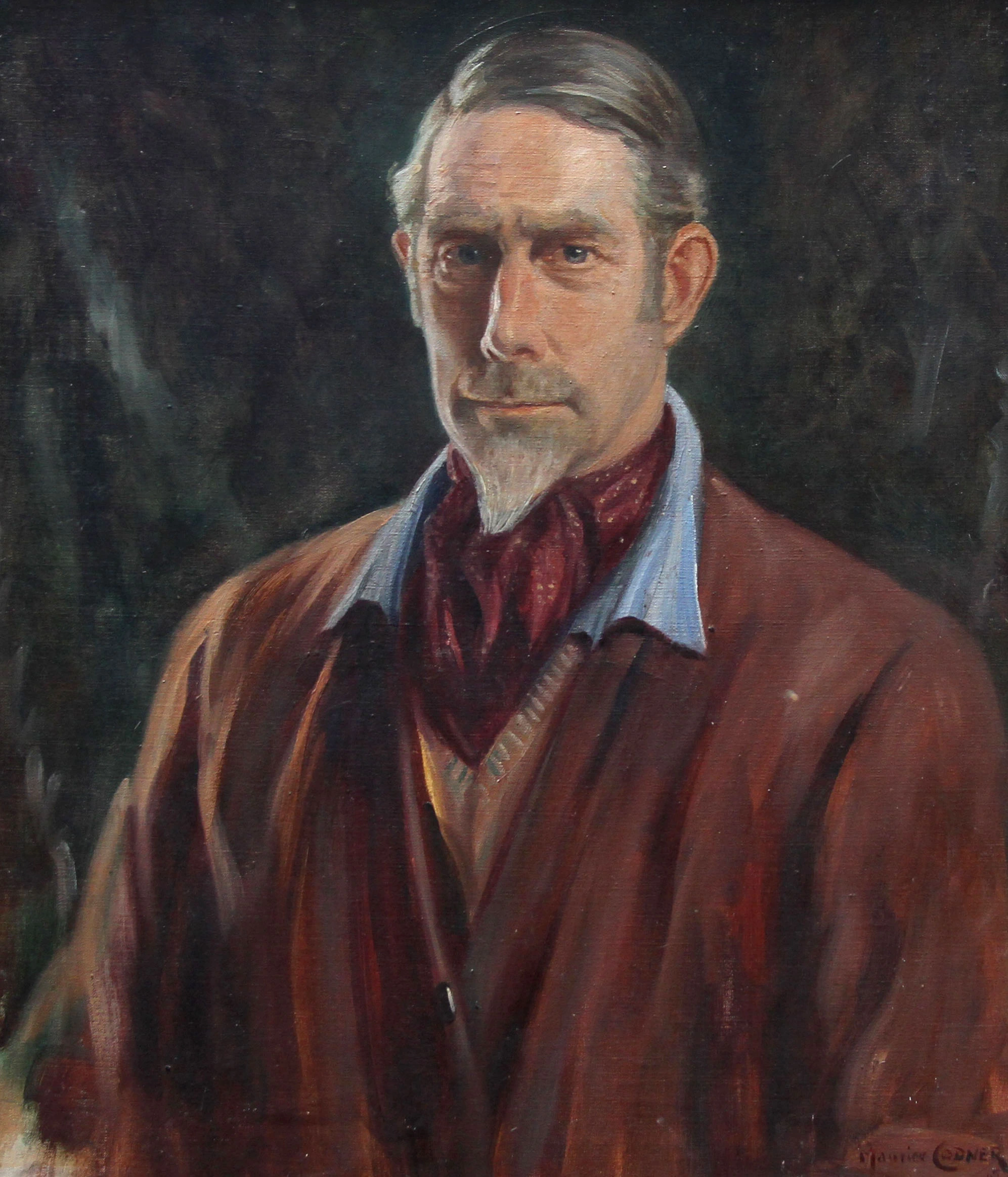 English portrait painter (1888–1958).
 English miner and artist (1919–2014), whose style and subject matter have been compared to L. S. Lowry.
 English landscape artist (1927–2009), best known for his scenes of the Pennines.
 English painter of the Victorian era , noted for his depiction of fairies and other supernatural subjects. Most were completed while he was an inmate of Bedlam and Broadmoor lunatic asylums.
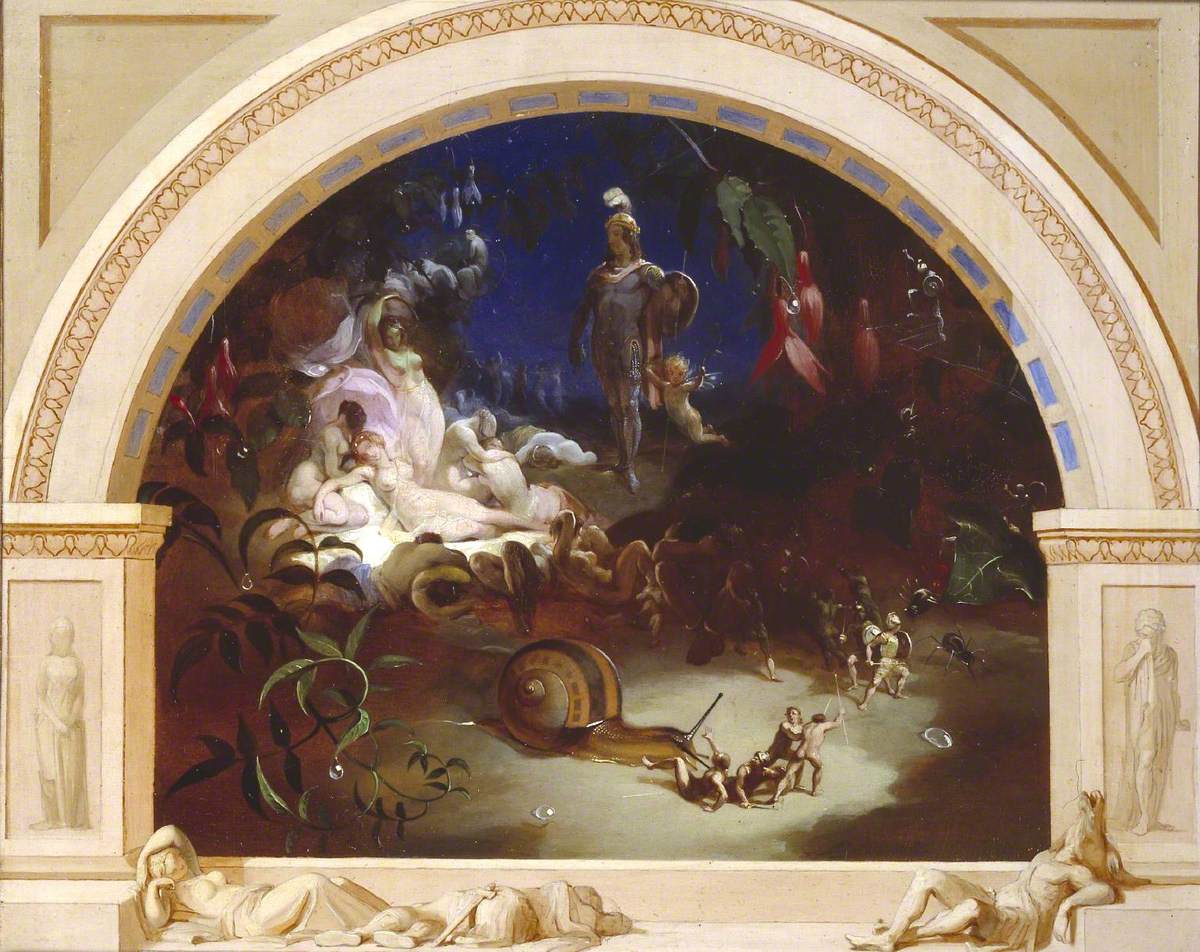 English portrait painter particularly recognised for his fairy paintings.
 Portrait and landscape painter, founding member of the Royal Academy of Arts.
 English engraver, draughtsman and painter (c. 1765 – 1833).
 English painter (1827–1910), one of the founding members of the Pre-Raphaelite Brotherhood.
 English artist; father of John William Waterhouse
