
The Happy Turning
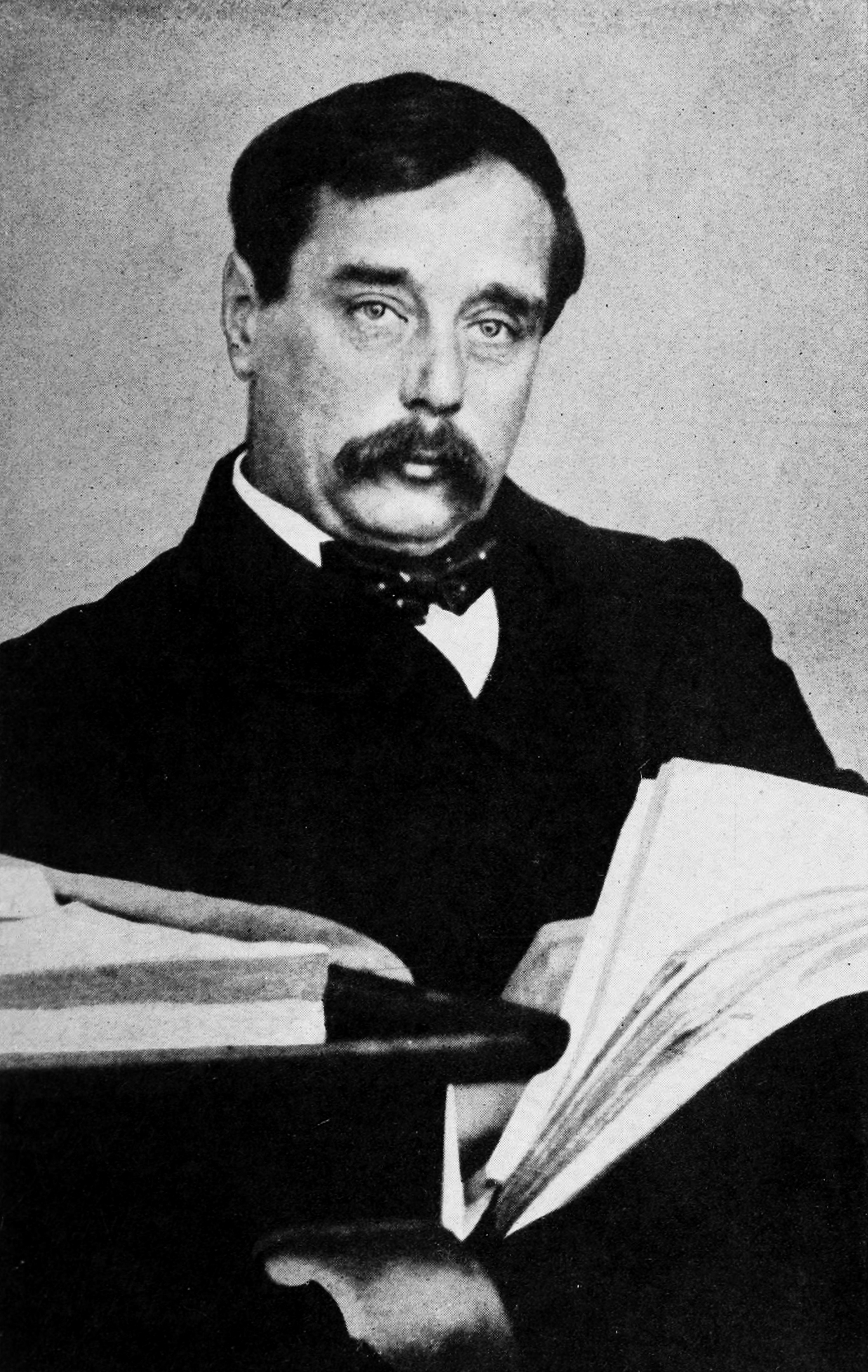 Collection of nine cheerfully optimistic essays written by H. G. Wells, published in 1945, describing his dreamworld.
Articles for which there is no corresponding Wikipedia article.
Collection of nine cheerfully optimistic essays written by H. G. Wells, published in 1945, describing his dreamworld.
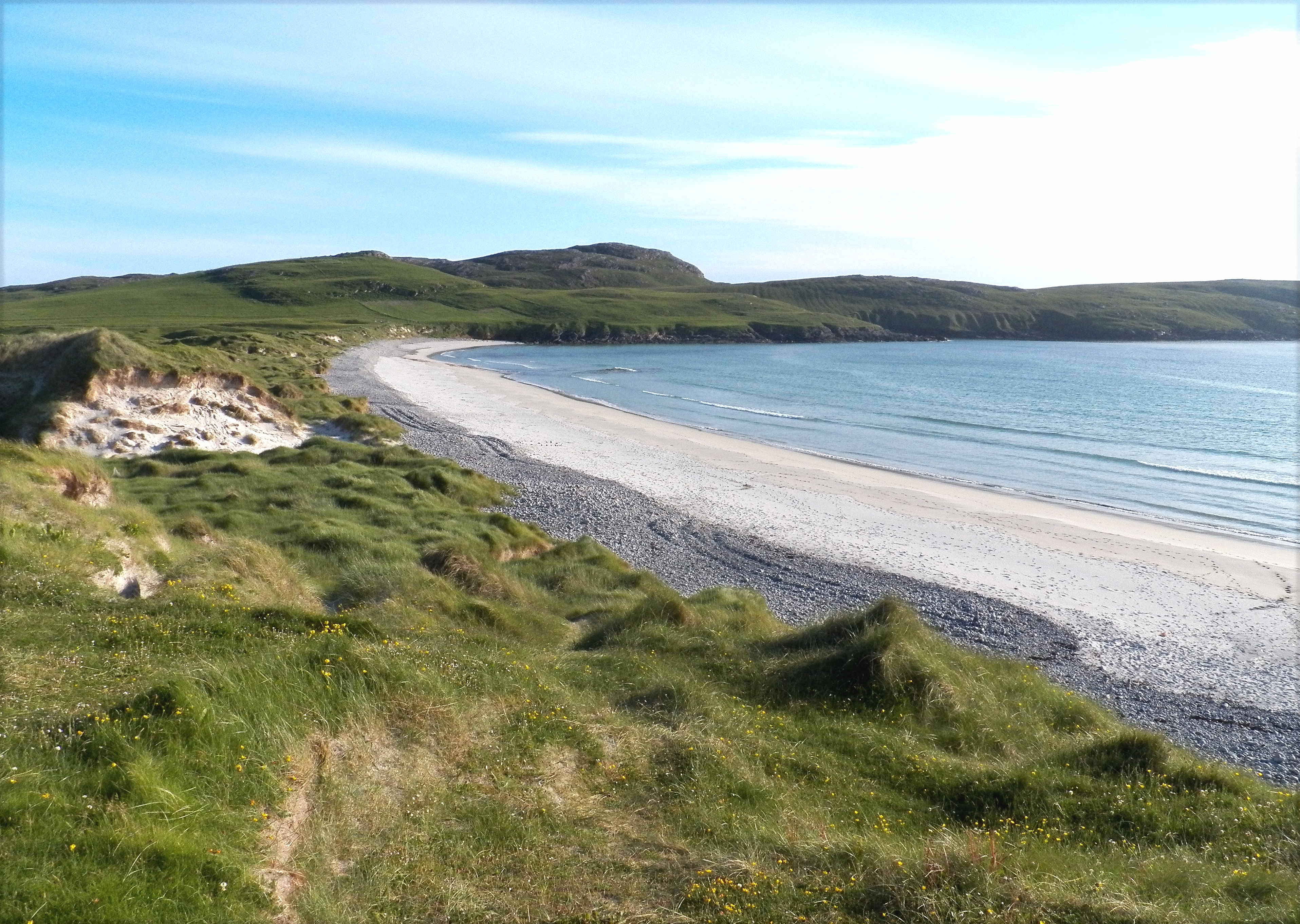 Ten Scottish cottars who were imprisoned in 1908 after illegally setting up homes on the small Hebridean island of Vatersay.
 Literary magazine published from 1893 until 1900, with a gap from 1894 to 1899.
Short story by H. G. Wells published in 1921, speculating about the early encounters between Neanderthals and modern man.
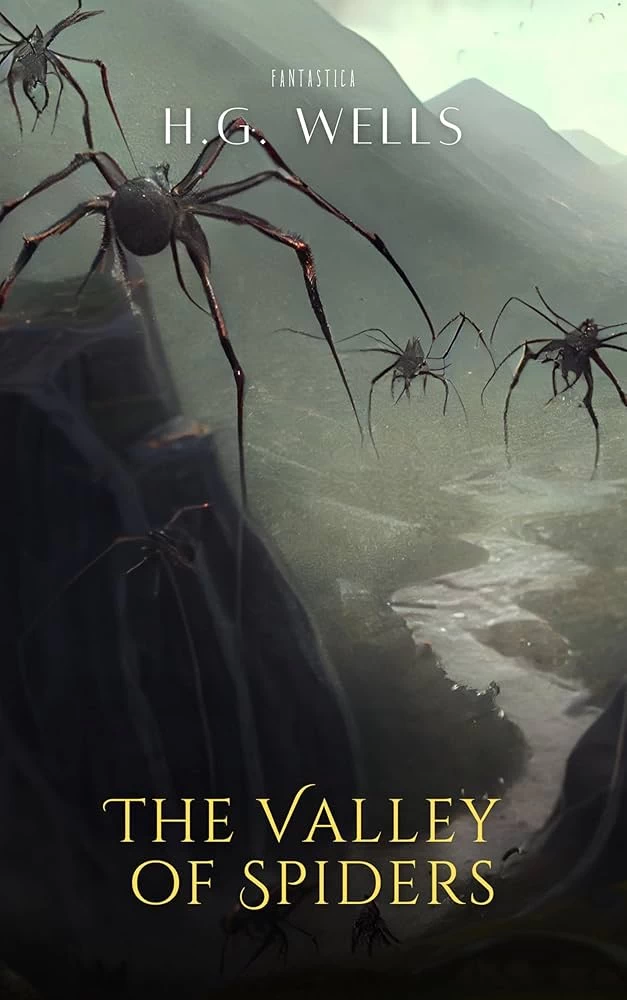 Short story by H. G. Wells published in 1903, about three men who are attacked by giant spiders while pursuing a half-caste girl through a desolate valley.
 Perhaps the last person to be executed for witchcraft in England, in 1685.
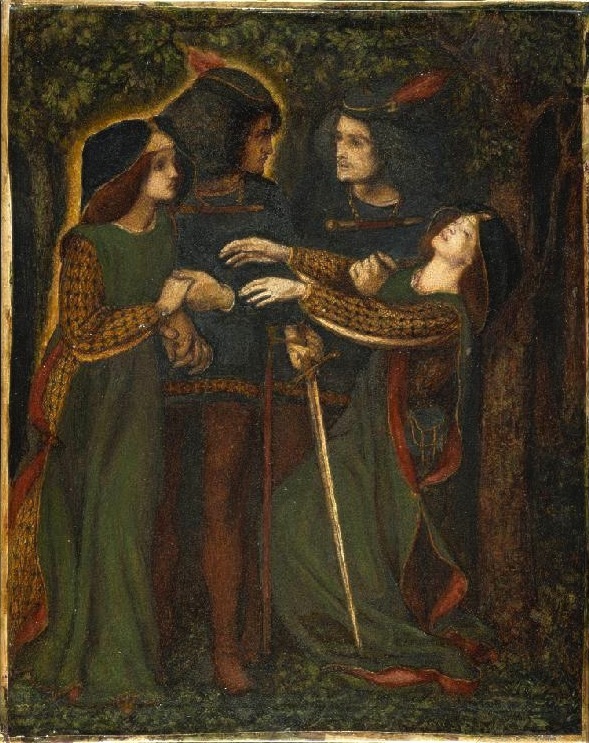 Painting by Dante Gabriel Rossetti, in which a couple in medieval costume are confronted by their doubles.
 Oil on canvas painting by Laura Knight, portraying a group of people – mainly women – launching a barrage balloon.
 Allegory of Fortune, sometimes also named La Fortuna, is an oil painting on canvas that was created around 1658 or 1659 by the Italian baroque painter Salvator Rosa, which caused uproar when first exhibited publicly and almost got the painter jailed and excommunicated.
 Painting by John William Waterhouse, completed in 1900, now in the collection of the Royal Academy of Arts.
 Painting by the British artist William Frederick Yeames, depicting the suspicious death of Amy Robsart, wife of Robert Dudley, a favourite of Queen Elizabeth I.
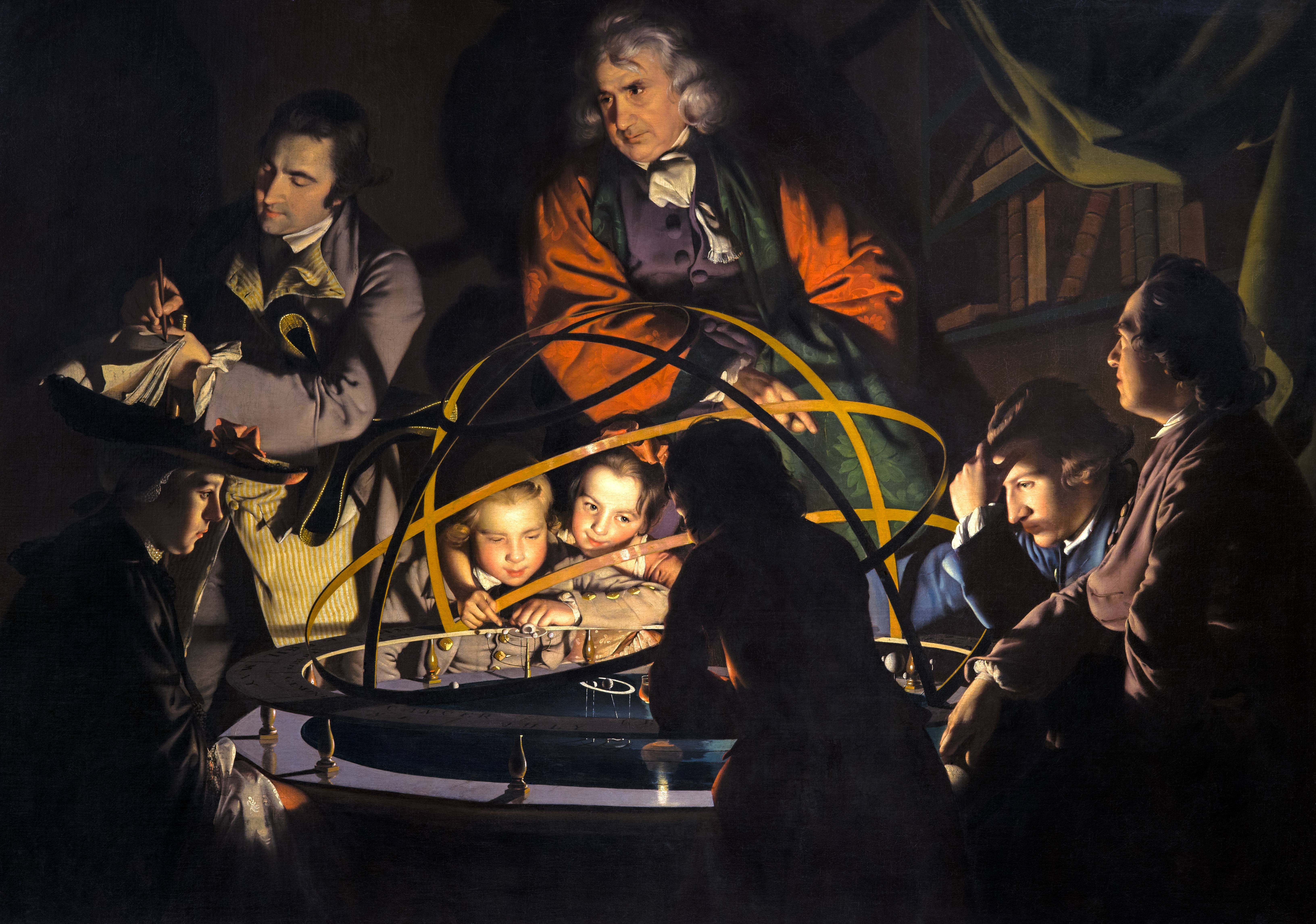 1766 painting by Joseph Wright of Derby, depicting a lecturer giving a demonstration of an orrery.
 Oil-on-oak painting undertaken between 1608 and 1609 by the Dutch artist Hendrick Avercamp (1585–1634).
 Oil painting by John William Waterhouse created in 1903, depicting the Greek god of the north wind.
 Circe is the title given to two oil on canvas sketches by the English artist John William Waterhouse; he worked on both during the final years of his career from 1911 to 1914.
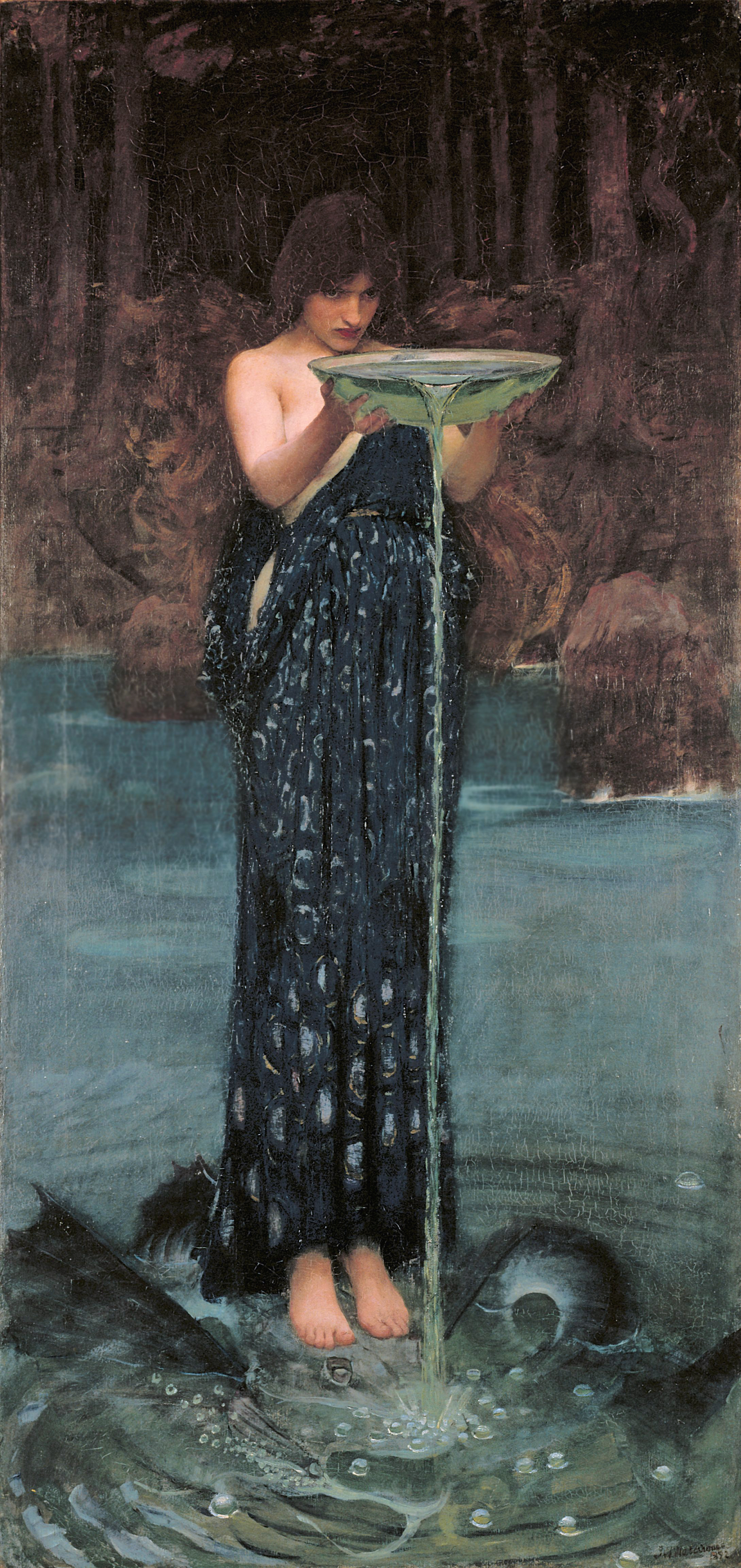 Painting by John William Waterhouse completed in 1892, his second depiction of the Greek mythological character Circe.
 Oil painting in the Pre-Raphaelite style by John William Waterhouse, created in 1891.
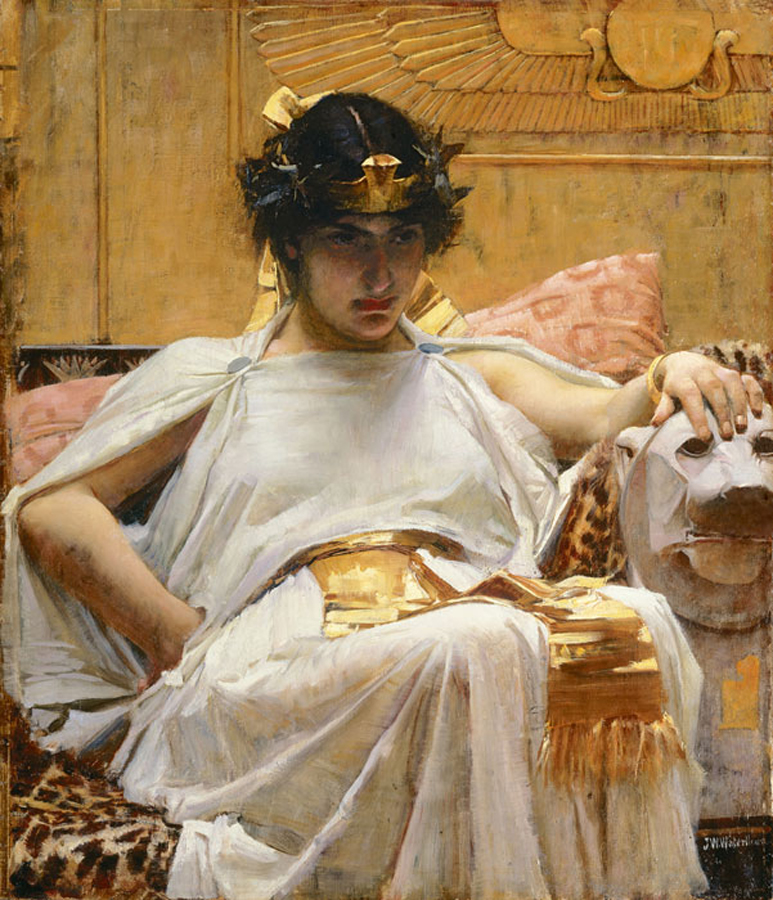 Painting by John William Waterhouse.
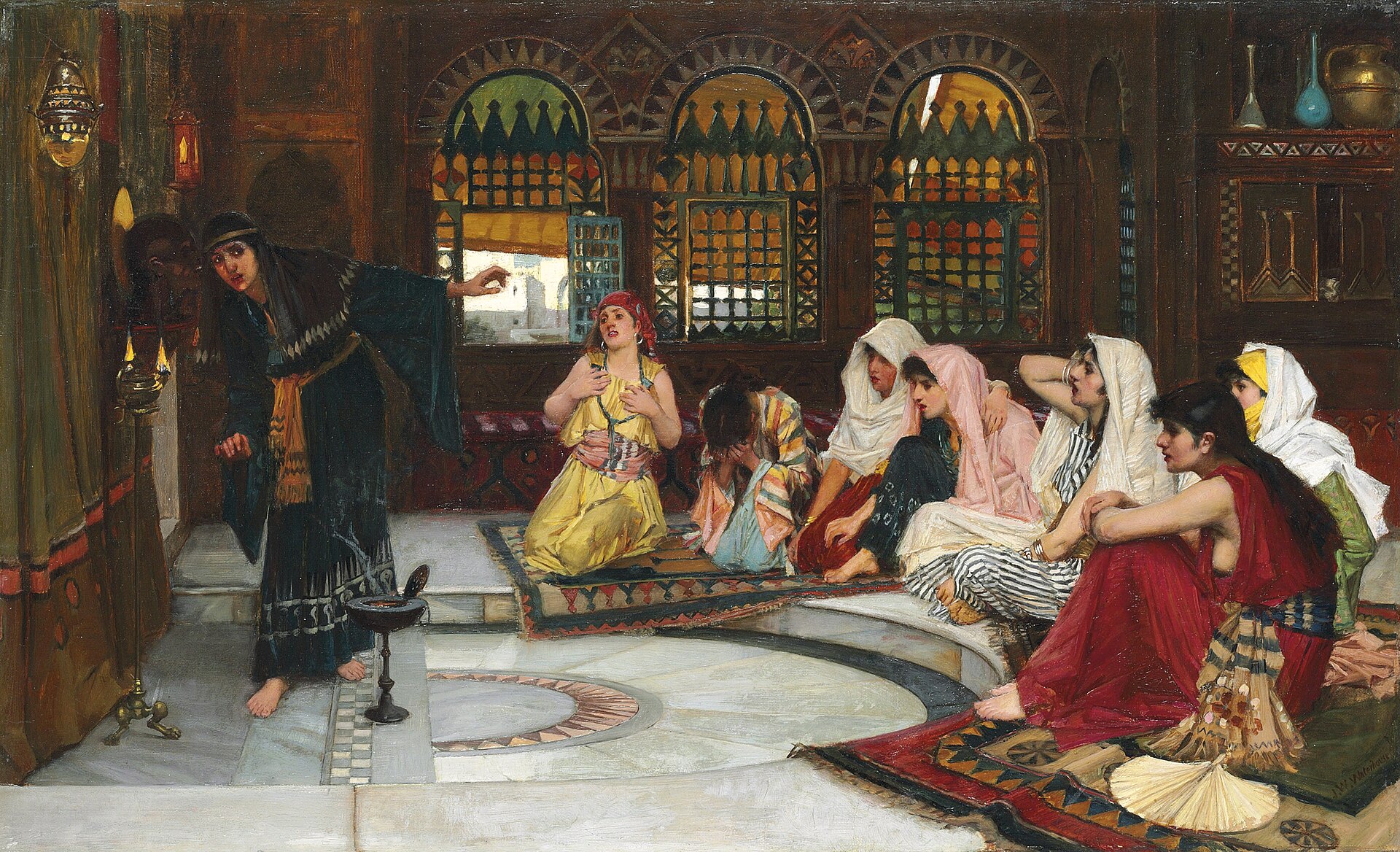 Oil painting by John William Waterhouse, showing a priestess using a mummified head, a tephra, as an oracle.
 Undated oil on canvas painting by the English artist Frederic Leighton, 1st Baron Leighton.
 Painting in the Pre-Raphaelite style by John William Waterhouse (1849–1917), his contribution to the Artists' War Fund in support of British troops fighting in the Boer War.
 Genre of art and illustration featuring small imaginary human-like creatures with magical powers, often with wings.
 Painting in the Pre-Raphaelite style by John William Waterhouse (1849–1917), the first of two paintings he produced with the same title.
 Painting in the Pre-Raphaelite style by John William Waterhouse (1849–1917), the second of two paintings he produced with the same title.
 Paintings that depict scenes of ordinary people going about their everyday lives.
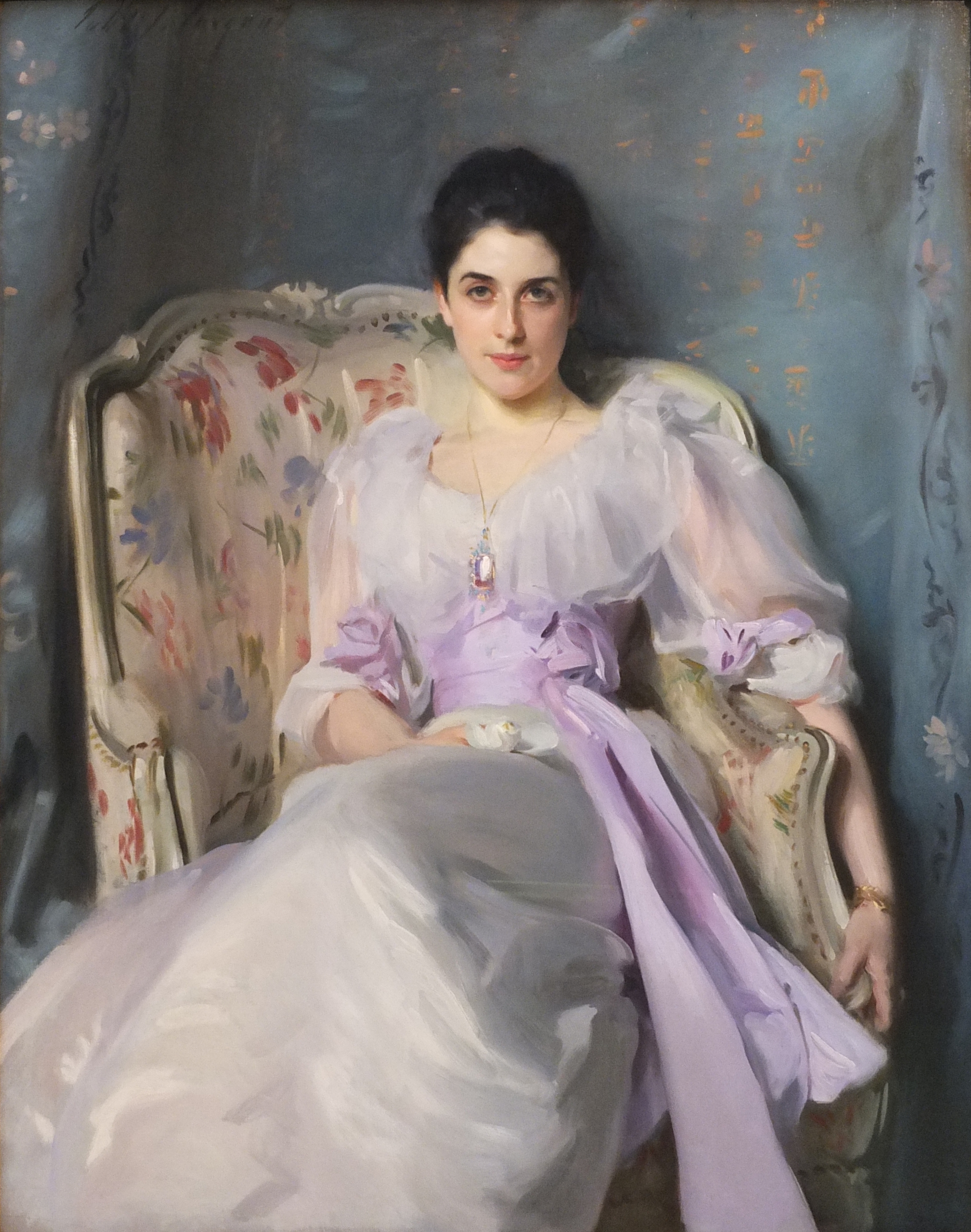 Oil on canvas portrait of Lady Agnew by John Singer Sargent completed during 1892. Commissioned by her husband Sir Andrew Noel Agnew, 9th Baronet.
 Oil on canvas painting by the English impressionist artist Philip Wilson Steer (1860–1942).
 Painting by John Constable.
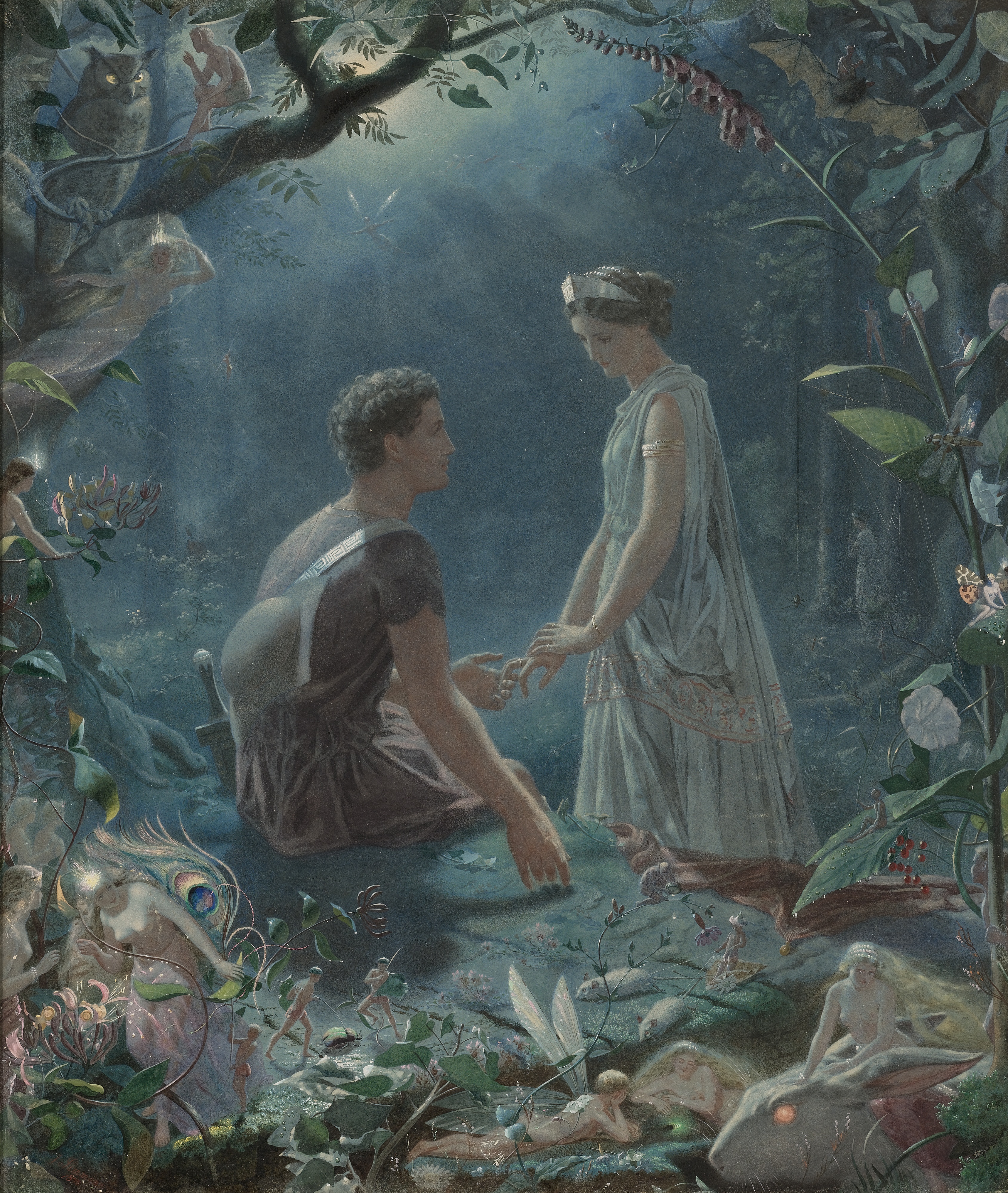 Watercolour painting created in 1870 by the English illustrator and miniature portrait painter John Simmons.
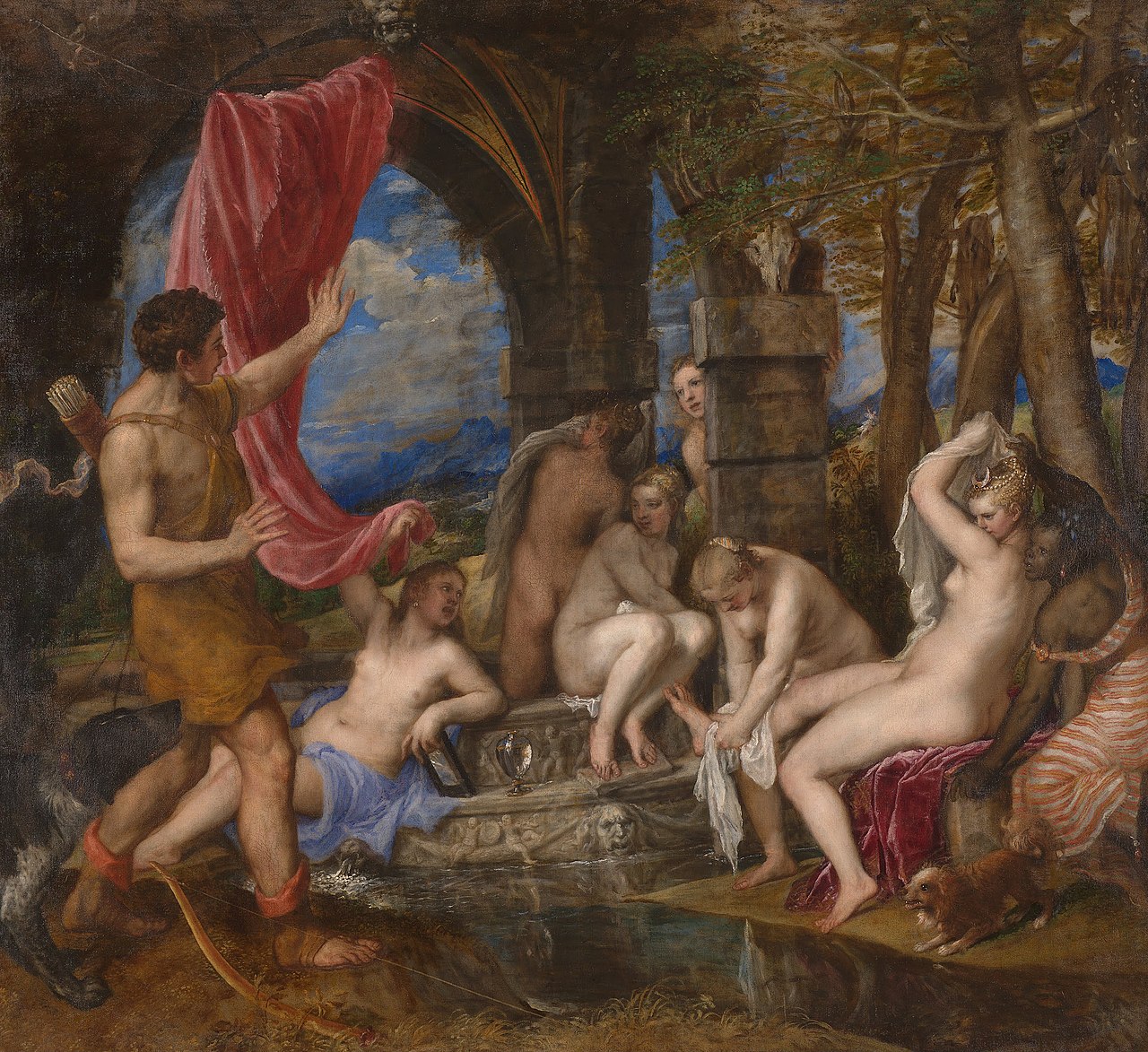 Artistic genre characterised by its depiction of a moment in a story usually taken from Greek or Roman mythology, or the Bible, in an elevated and morally edifying manner.
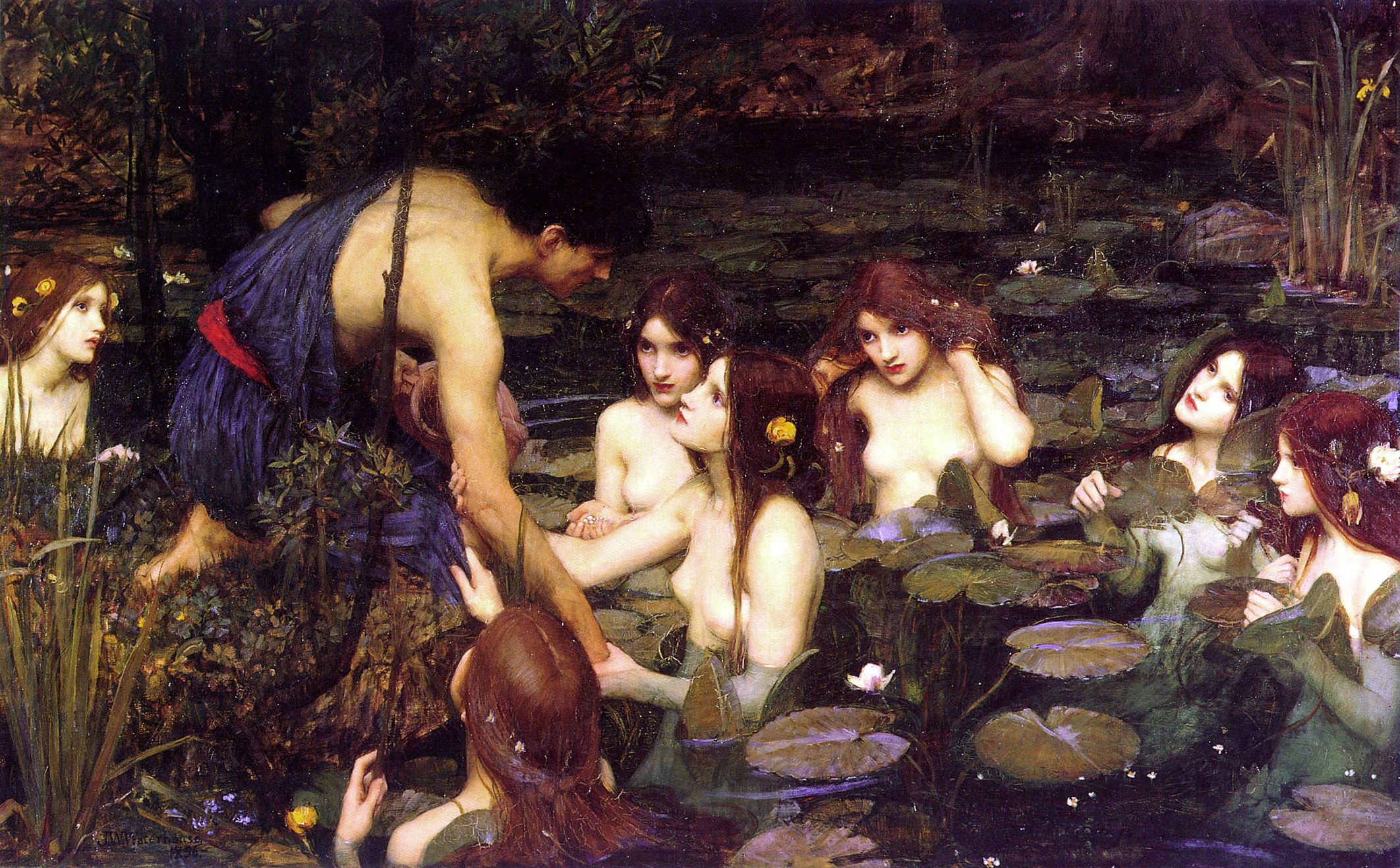 Painting by the English artist John William Waterhouse, exhibited at the Royal Academy Summer Exhibition in 1897. It shows the Greek hero Hylas being enticed to his death into a pool of water by a group of nymphs.
 Oil painting by William Holman Hunt, depicting a story in Giovanni Boccaccio's Decameron.
 Oil painting by John William Waterhouse depicting a story in Giovanni Boccaccio's Decameron.
 Unfinished tempera on panel painting by Michelangelo.
 Oil painting by John William Waterhouse, the largest art work he ever produced.
 Painting by the Pre-Raphealite John Everett Millais, depicting a character from William Shakespeare's Measure for Measure.
 Painting in the Pre-Raphaelite style by John William Waterhouse (1849–1917).
 1868 oil painting by Frederick Sandys, controversially rejected for display in the Royal Academy of Arts Summer Exhibition that year.
 1864 Pre-Raphaelite painting by Frederick Sandys, depicting the legendary witch and jealous half-sister of King Arthur.
 Oil on canvas portrait by the English artist Thomas Gainsborough, a close friend of the Linleys.
 Fancy picture by the English artist John Everett Millais, created in 1863, depicting a young girl listening intently to a church sermon for the first time.
 Fancy picture by the English artist John Everett Millais, created in 1864, depicting a young girl who has fallen asleep while listening to a church sermon.
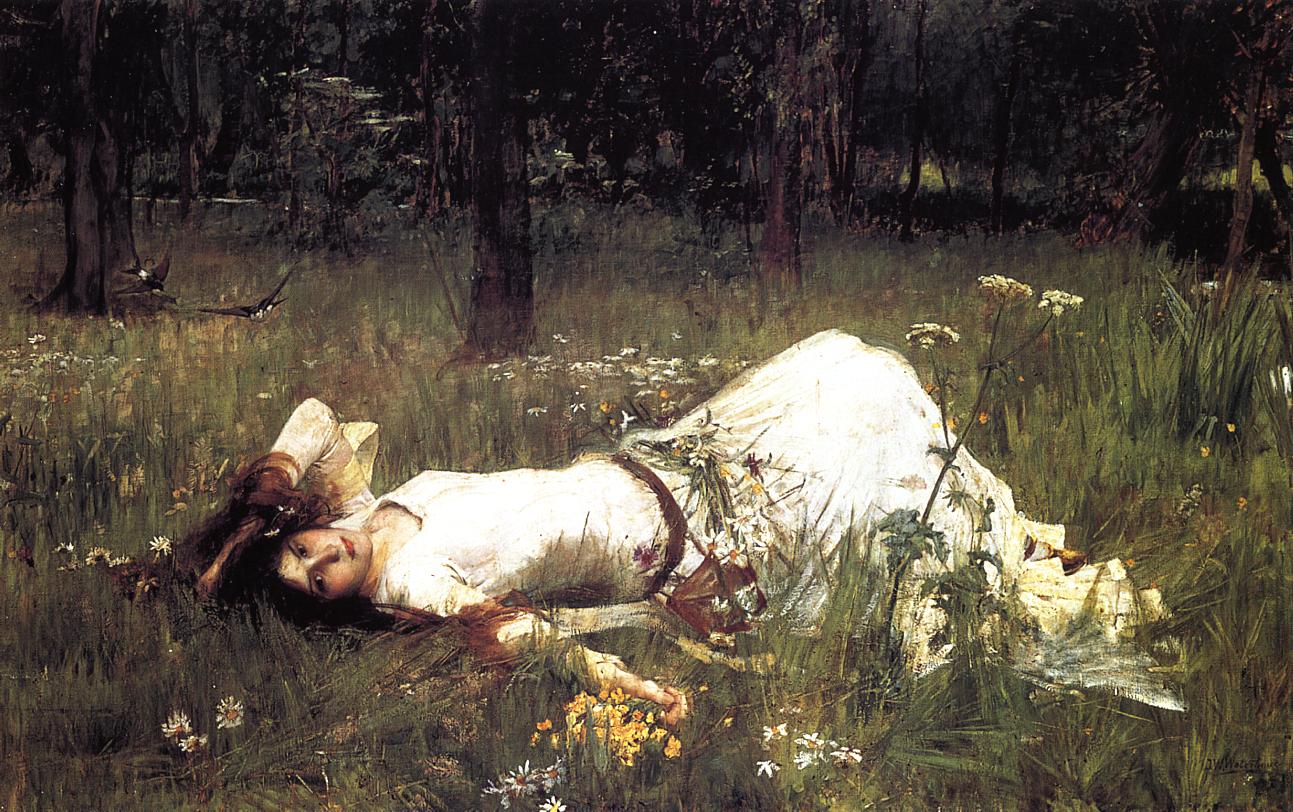 Series of three paintings by John William Waterhouse, reflecting his interpretation of Ophelia, a character from Shakespeare's Hamlet
 Painting by John William Waterhouse.
 Oil on canvas painting by the English artist John William Waterhouse, commissioned by the Aberdeen Art Gallery and completed in 1912.
 Group of English artists formed in 1848 to counter what they saw as the corrupting influence of the late-Renaissance painter Raphael.
 Oil on canvas painting by the English artist William Etty, first exhibited in 1853.
 Oil painting by John Collier (1850–1934), depicting a priestess at the Oracle of Delphi.
 Painting in the Pre-Raphaelite style by John William Waterhouse (1849–1917), depicting Psyche attempting to catch a glimpse of her secretive lover.
 Painting in the Pre-Raphaelite style by John William Waterhouse (1849–1917).
 1858 oil painting by Frederick Sandys, depicting Queen Eleanor of Aquitaine on her way to kill her husband's mistress.
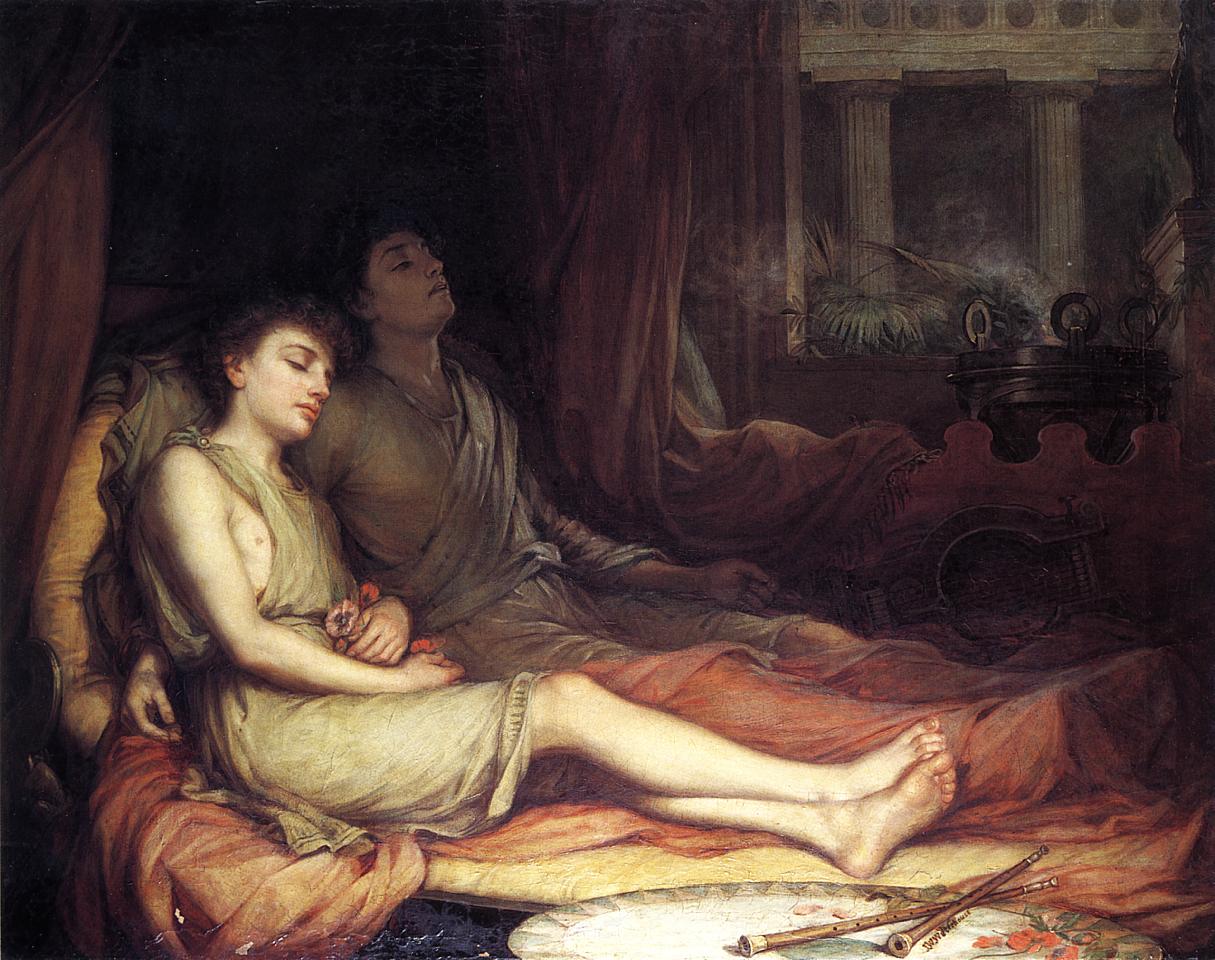 Oil on canvas painting completed by John William Waterhouse in 1874
 Oil painting by Joseph Wright of Derby, first exhibited in 1771.
 Painting by the English artist George Frederic Watts (1817–1904), depicting what he described as "the immeasurable expanse".
 Created by the English artist William Holman Hunt in 1853, the painting was for a time the most talked about of the century.
 Painting by Edward Burne-Jones created between 1873 and 1877, depicting the Lady of the Lake sending Merlin into a deep sleep.
 Painting in the Pre-Raphaelite style by John William Waterhouse (1849–1917), one of his series of "flower women" created between 1908 and 1914.
 Oil painting by the Spanish surrealist Salvador Dalí, created in 1937.
 Short-lived group of English artists active during the late 1830s, dissatisfied with the stuffy traditionalism of the Royal Academy.
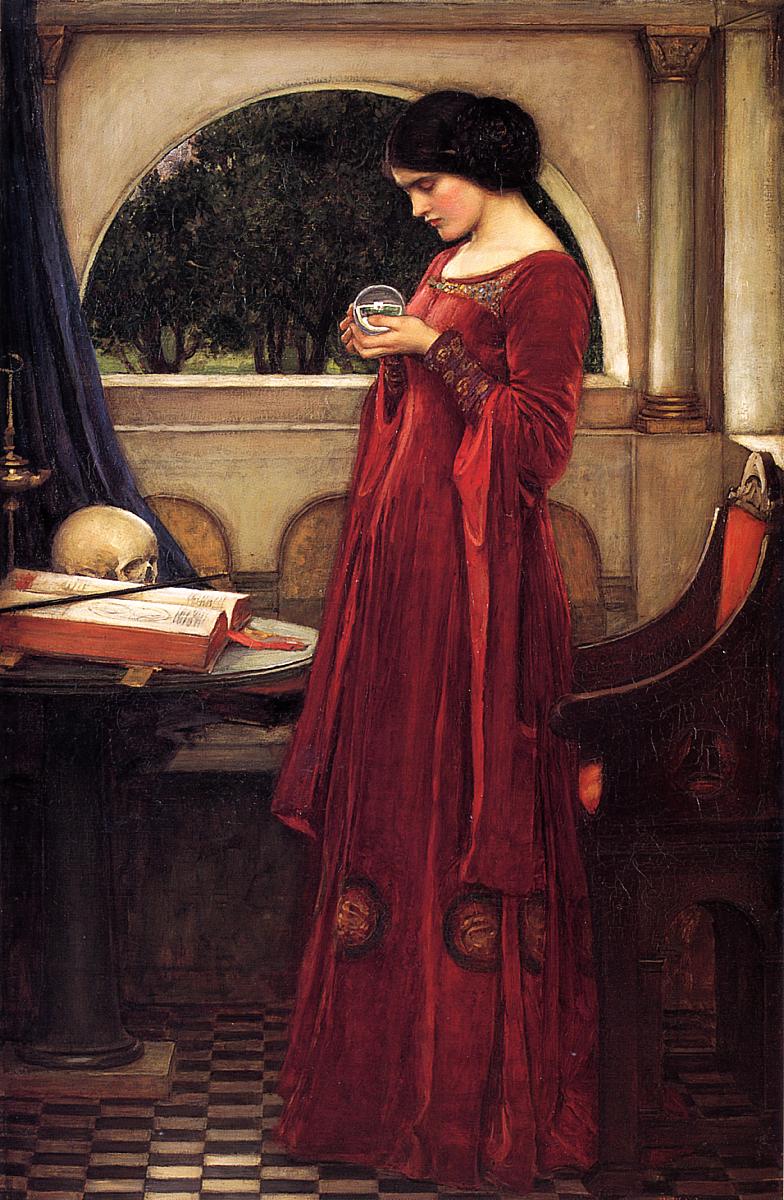 Oil painting by John William Waterhouse, completed in 1902
 Oil on canvas painting by John William Waterhouse, exhibited at the Royal Academy in 1906.
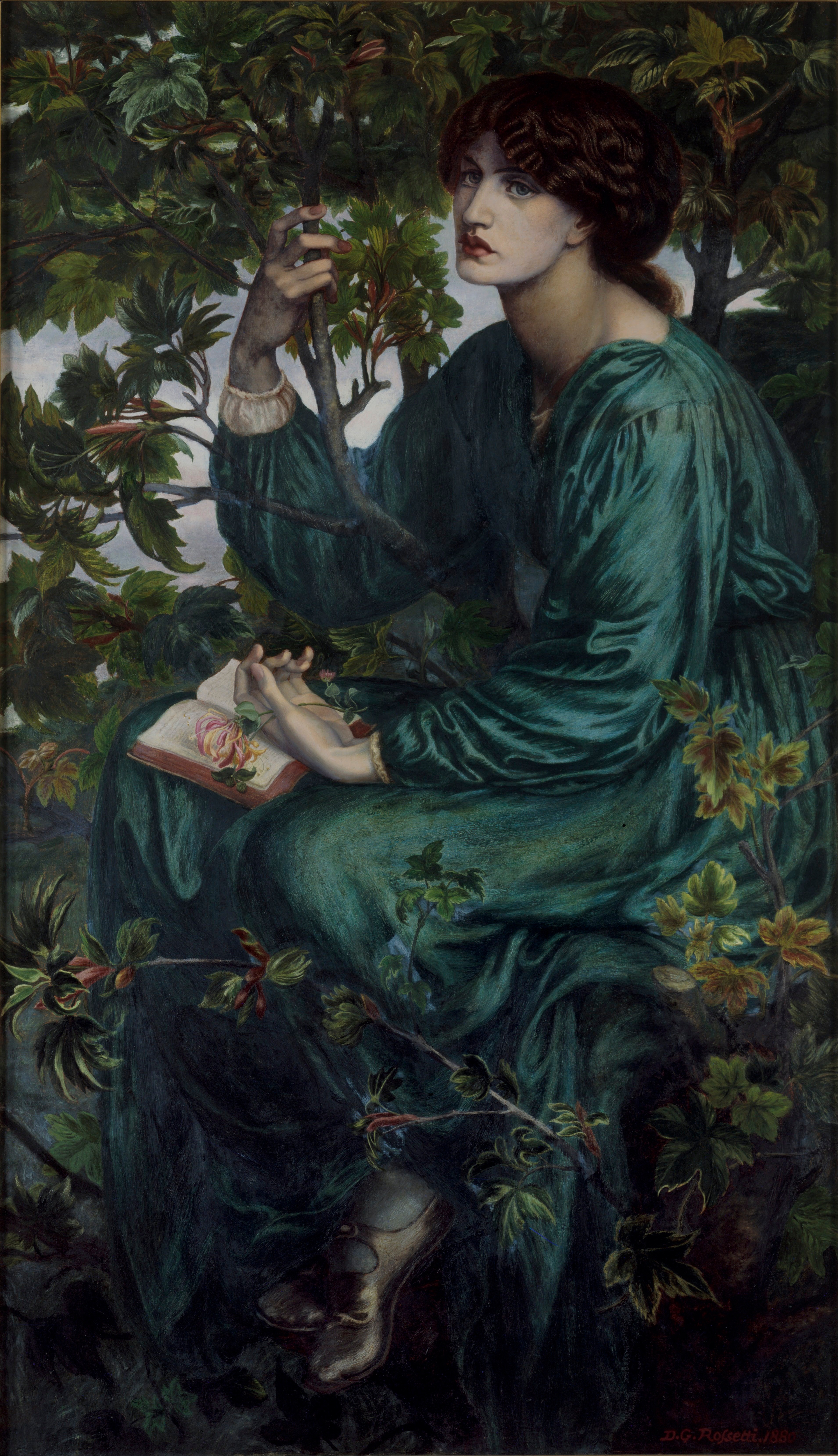 Oil painting by Dante Gabriel Rossetti, which he considered to among the best of his work.
 Oil painting by Joshua Reynolds, illustrating a scene from Shakespeare's Henry VI, Part II.
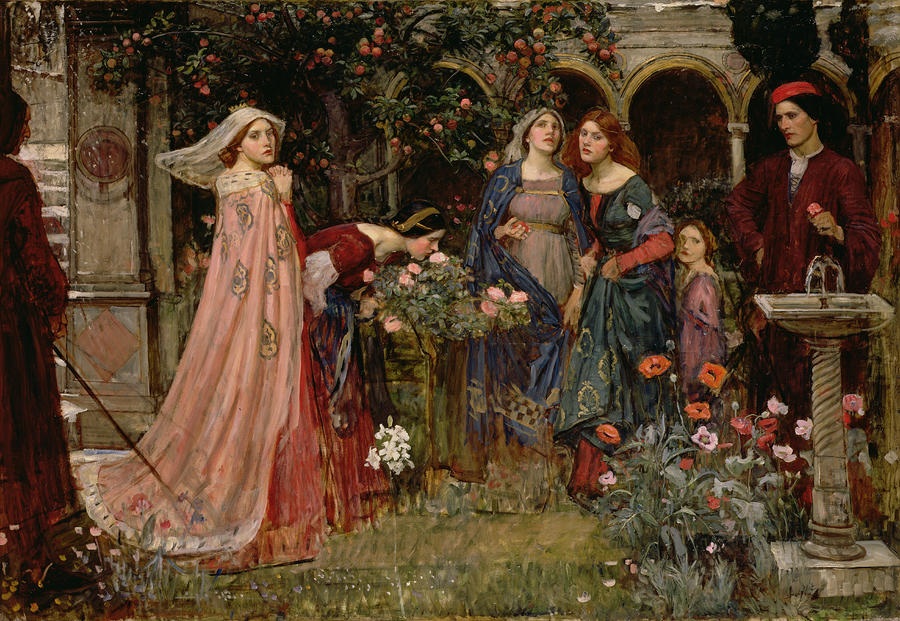 Oil painting by John William Waterhouse depicting a story in Boccaccio's Decameron.
 Painting by Salvador Dalí created in 1939, "celebrating" the Nazi dictator Adolf Hitler.
 Painting by the English artist Richard Dadd (1817–1886), considered to be his masterpiece.
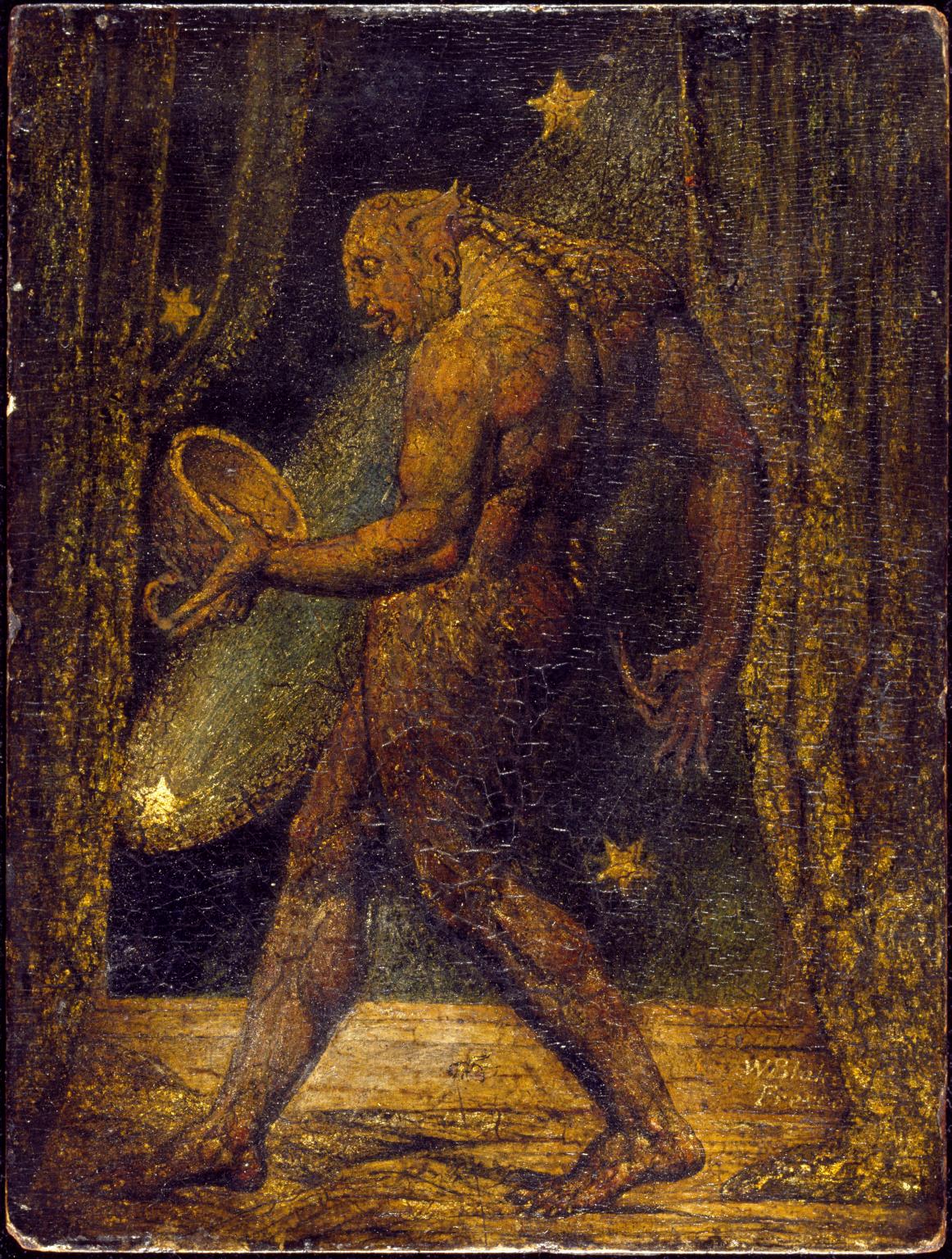 One of William Blake's strangest and most bizarre works.
 One of the best-known paintings by Edward Burne Jones (1833–1898).
 Oil painting by the Swiss-born Romantic artist Henry Fuseli, c. 1794, like much of his work exploring the relationship between sex and fear.
 Painting by John Collier (1850–1934), depicting a young woman acquirig poison from an alchemist.
 Oil painting by English artist John William Waterhouse; the first in his trilogy featuring The Lady of Shalott
 Oil painting by the English artist Evelyn de Morgan, created in 1903.
 Oil painting by John William Waterhouse, one of his earliest depictions of a classical sorceress.
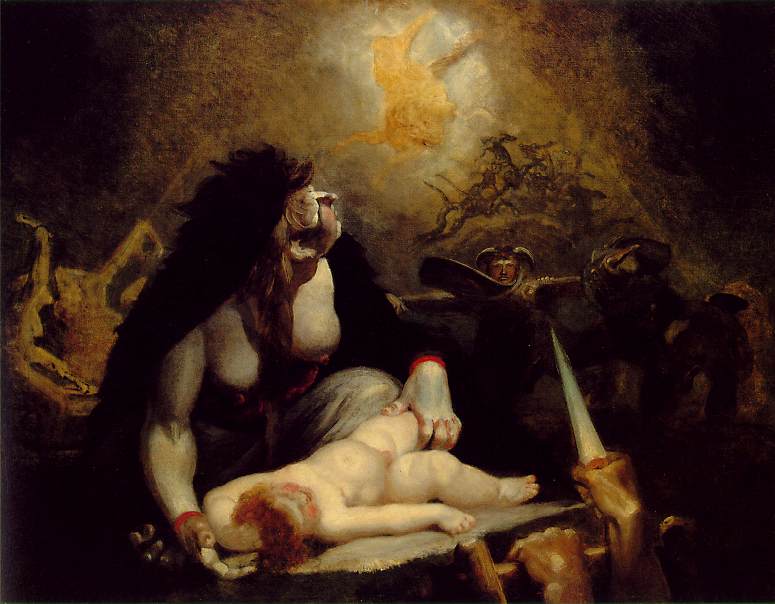 Oil painting by Henry Fuseli, illustrating a passage from John Milton's epic poem Paradise Lost.
 Oil painting by Henry Fuseli, depicting an ape-like incubus crouching on a sleeping woman, first exhibited at the Royal Academy in 1782.
 Painting by the French-born British artist Dominic Serres, depicting a scene from the British occupation of Havana in 1762.
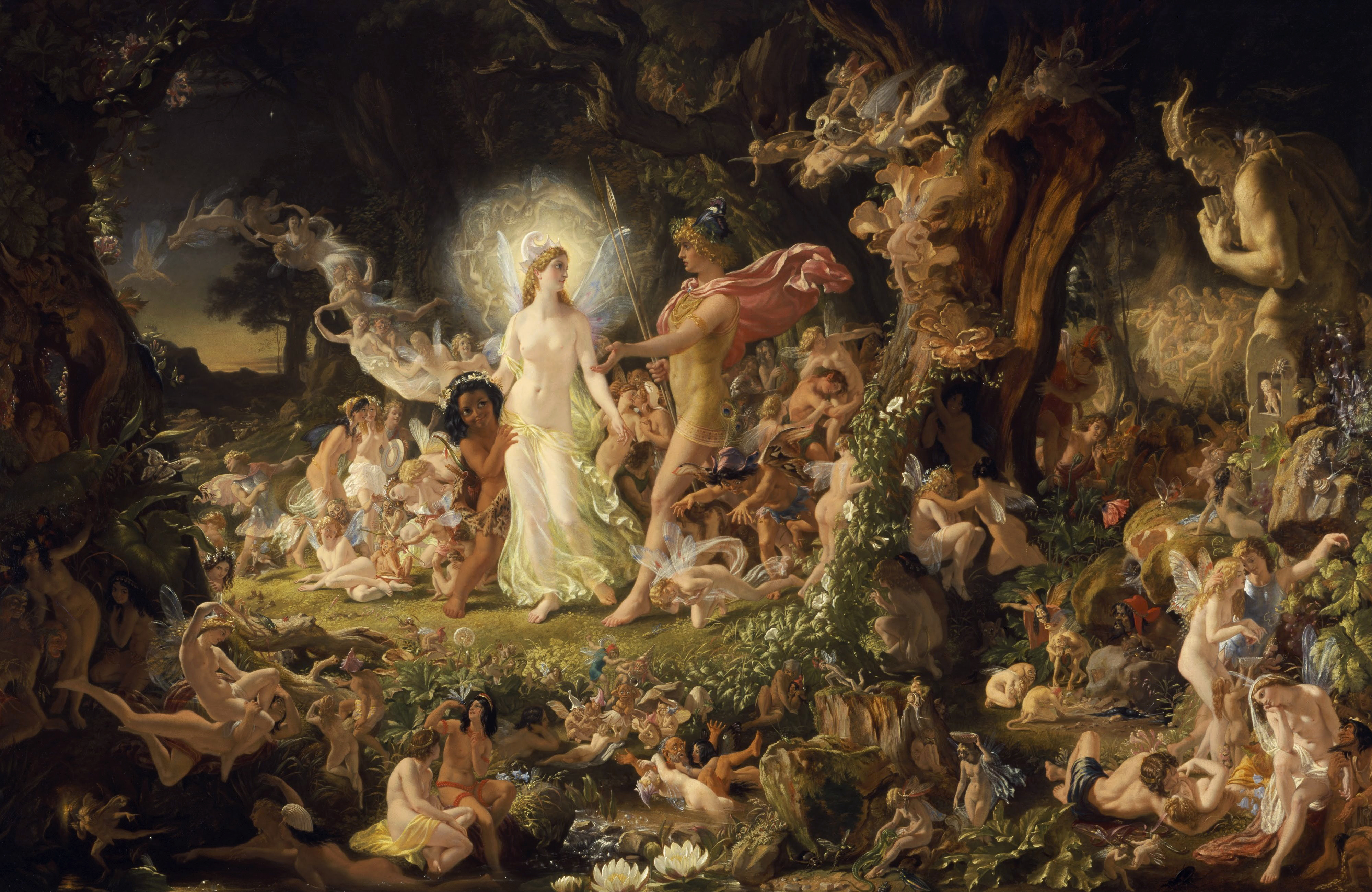 Oil on canvas painting by the Scottish artist Sir Joseph Noel Paton.
 Painting by the Scottish artist Jack Vettriano (1951–2025), reproductions of which make it the best-selling art print in the UK.
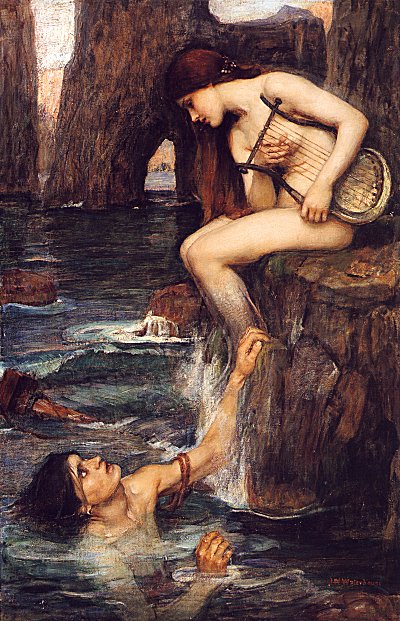 Painting by John William Waterhouse.
 Early painting by John William Waterhouse, predating his adoption of the Pre-Raphaelite Brotherhood‘s style and subject matter from the 1880s.
 Painting by the Irish artist Saint George Hare, depicting two sleeping nude women, apparently Christian martyrs, sentenced to be devoured by beasts.
 Distinctive styles of painting in the United Kingdom during the reign of Queen Victoria (1837–1901).
 Painting by the Italian Baroque artist Salvator Rosa, completed in about 1646.
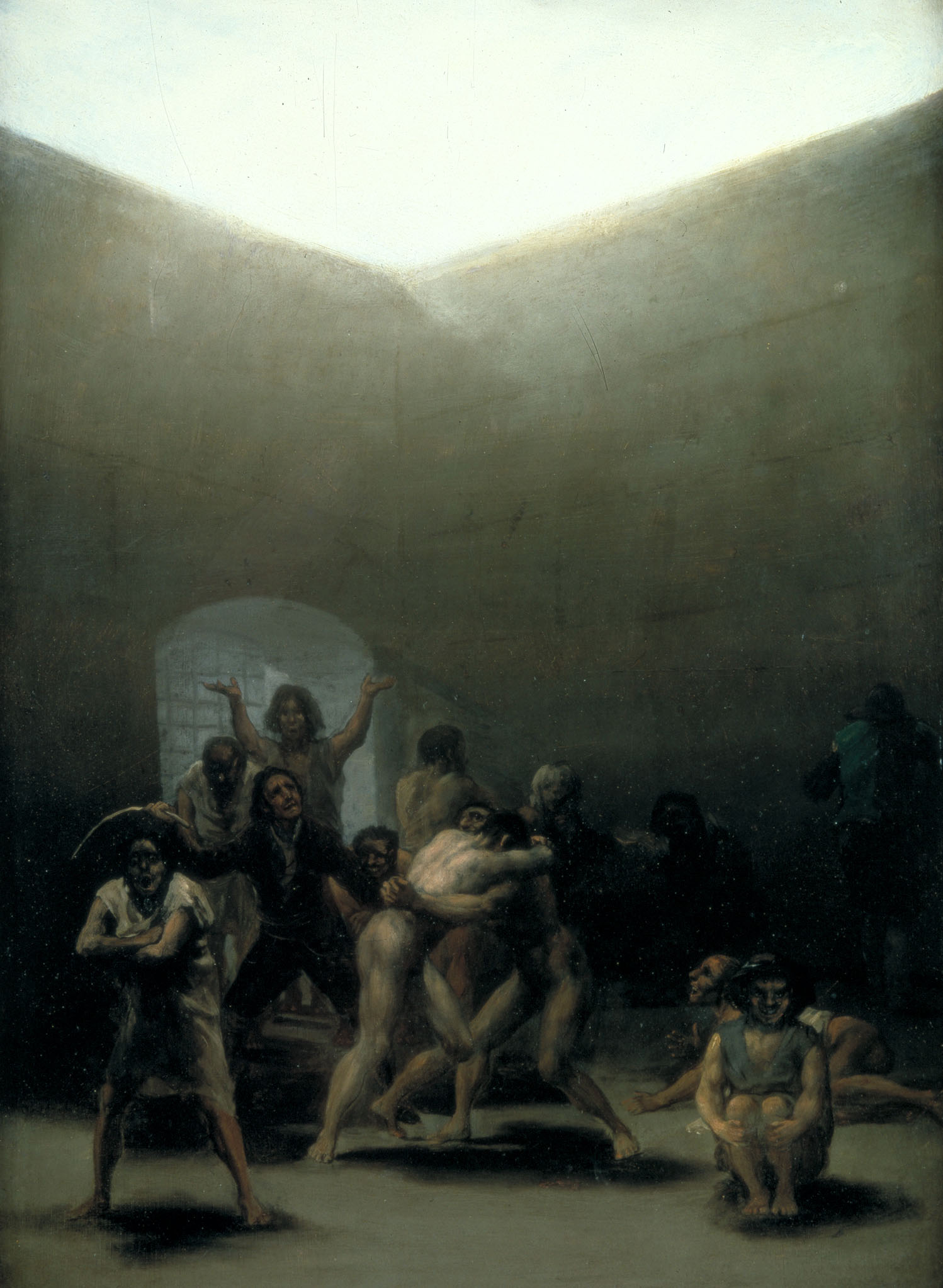 Small oil-on-tinplate painting by the Spanish artist Francisco Goya, produced between 1793 and 1794.
[wpdreams_ajaxsearchlite]
Some hopefully helpful guidance on how certain aspects of our articles are implemented.

| The Happy Turning | |
|---|---|
| Collection of nine cheerfully optimistic essays written by H. G. Wells, published in 1945, describing his dreamworld. |
|
| 11 | |
| Not on Wikipedia |
|
| 45 | |
 Head of a sacrificed Romano-British Celt found buried in Chat Moss.
 Small piece of enclosed ground.
 Victorian astronomical observatory in Hesketh Park, Southport.