
Grade I listed buildings in Stoke-on-Trent
 Grade I listed buildings in Stoke-on-Trent, in the ceremonial county of Staffordshire.
 First fully structural plastic building in England, completed in 1974.
 Large Grade I listed country house in the village of Claughton, Lancashire.
 Grade I listed buildings in the Borough of Lancaster, in Lancashire.
 Grade I listed buildings in the Borough of Ribble Valley, in Lancashire.
 Grade I listed buildings in the Borough of West Lancashire, in Lancashire.
 Grade I listed buildings in the Borough of Chorley, in Lancashire.
 Grade I listed building in Burnley, Lancashire, housing the borough’s art gallery and museum.
 Grade I listed buildings in the Borough of Burnley, in Lancashire.
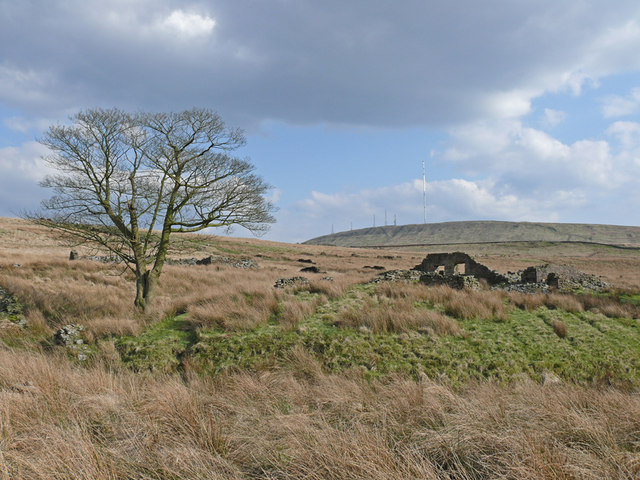 Sparsely populated civil parish near Chorley in Lancashire with no village, just scattered farms and the hamlet of White Coppice.
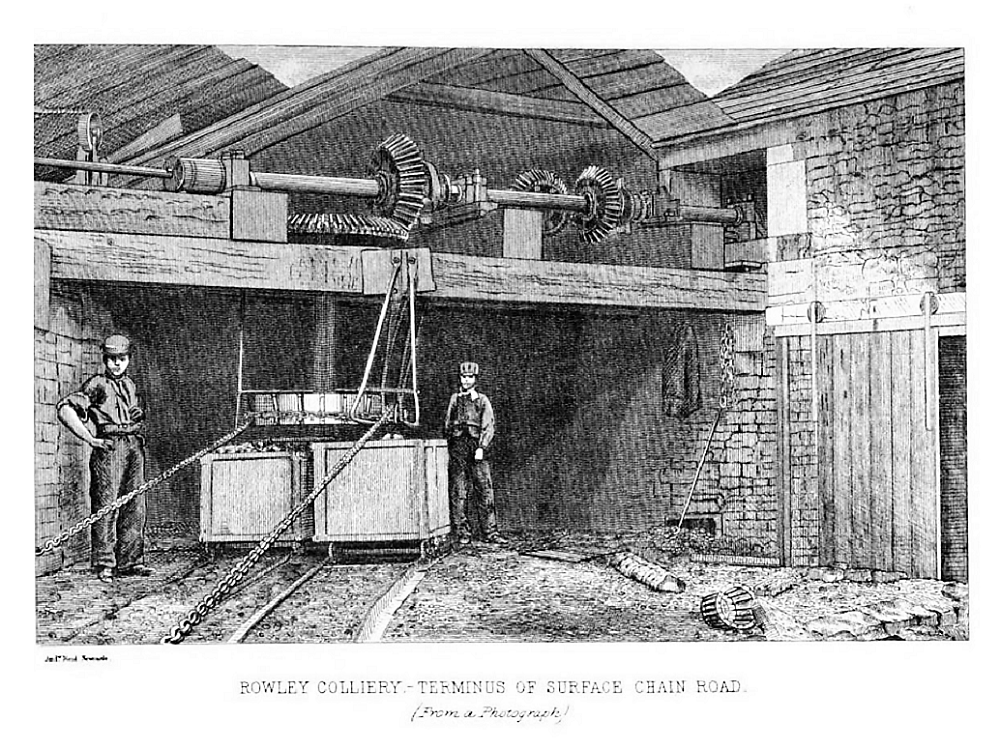 Most northerly portion of the Lancashire Coalfield, surrounding Burnley, Nelson, Blackburn and Accrington.
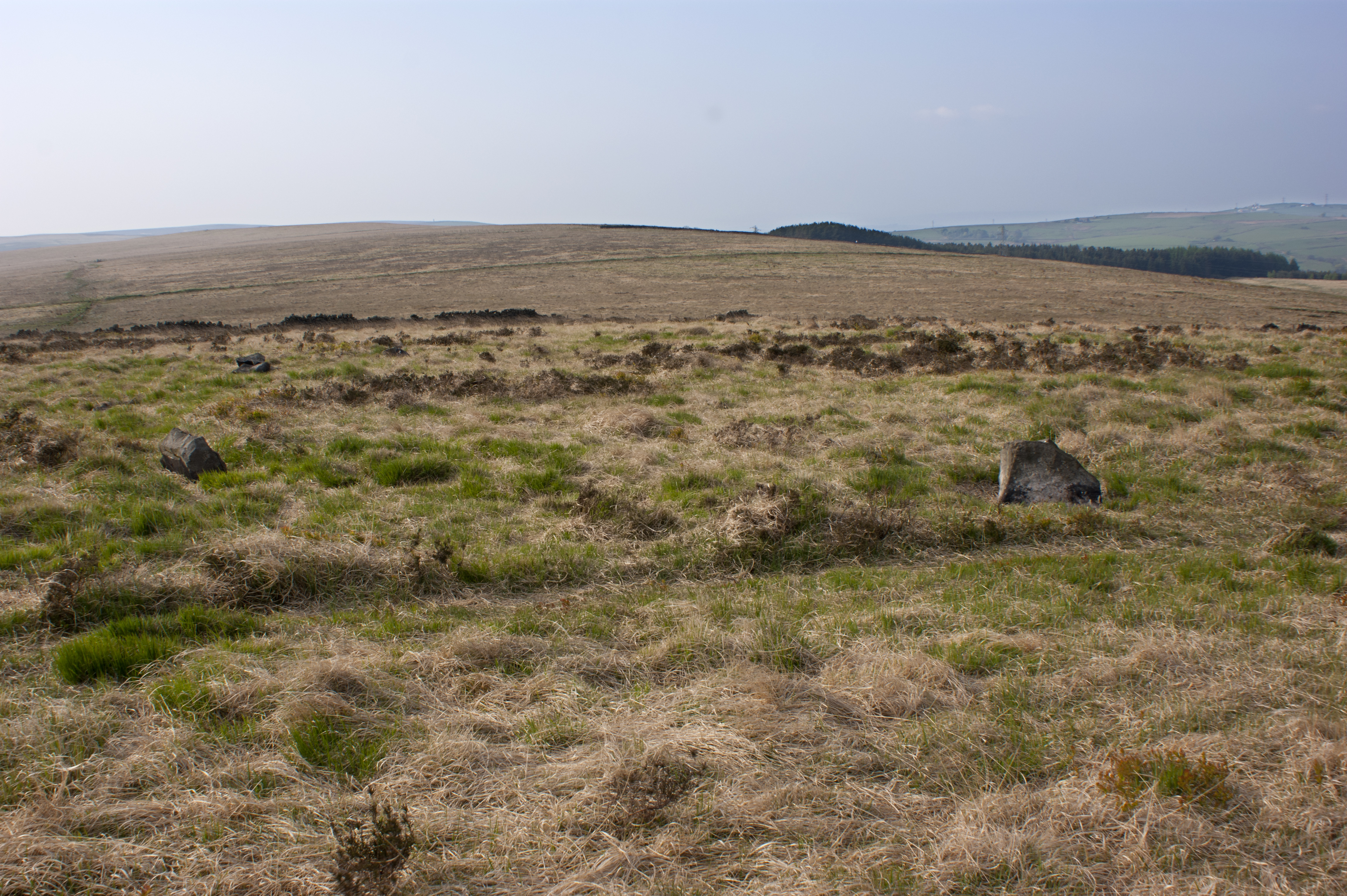 Cheetham Close, a hill in the West Pennine Moors above Turton in Lancashire, is the site of an ancient stone circle.Large Grade I listed country house in the village of Claughton, Lancashire.
 Founded as a hermitage before 1184, the remains of which are now a scheduled monument.
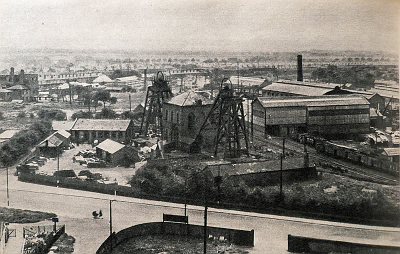 Ellesmere Colliery in Walkden, on the Lancashire Coalfield, was sunk in 1865 by the Bridgewater Trustees. Production ended in 1923.
 Grade I listed buildings in the unitary authority of Blackburn with Darwen, in Lancashire.
 Grade I listed buildings in the unitary authority of Blackpool, in Lancashire.Grade I listed buildings in the Borough of Chorley, in Lancashire.
 Grade I listed buildings in the Borough of Fylde, in Lancashire.
 Grade I listed buildings in the Borough of Hyndburn, in Lancashire.
 Grade I listed buildings in the ceremonial county of Lancashire, split into the fourteen authorities making up the county.Grade I listed buildings in the Borough of Lancaster, in Lancashire.
 Grade I listed buildings in the Borough of Pendle, in Lancashire.
 Grade I listed buildings in the Borough of Preston, in Lancashire.Grade I listed buildings in the Borough of Ribble Valley, in Lancashire.
 Grade I listed buildings in the Borough of South Ribble, in Lancashire.Grade I listed buildings in Stoke-on-Trent, in the ceremonial county of Staffordshire.Grade I listed buildings in the Borough of West Lancashire, in Lancashire.
 Grade I listed buildings in the Borough of Wyre, in Lancashire.
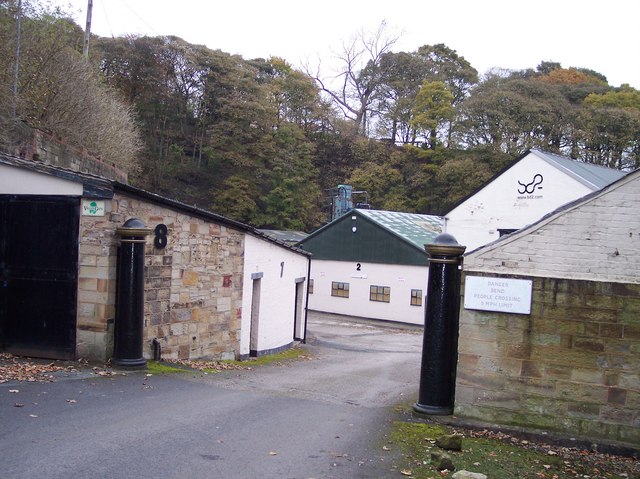 Ironworks and foundry in Haigh near Wigan that was notable for the manufacture of steam engines.
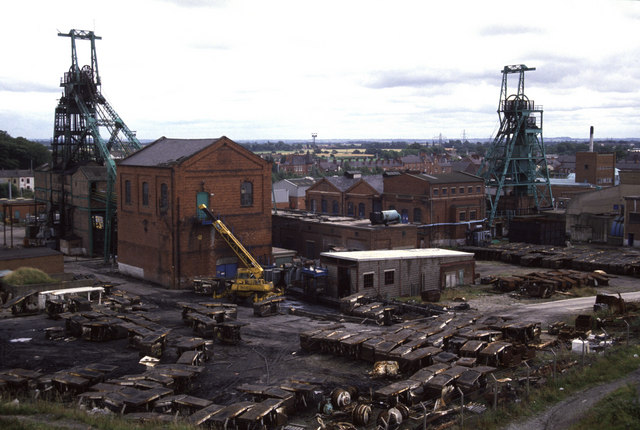 Haydock Collieries comprised several pits, some started in the 18th century, on land owned by the Leghs of Lyme around Haydock on the Lancashire Coalfield in north-west England.
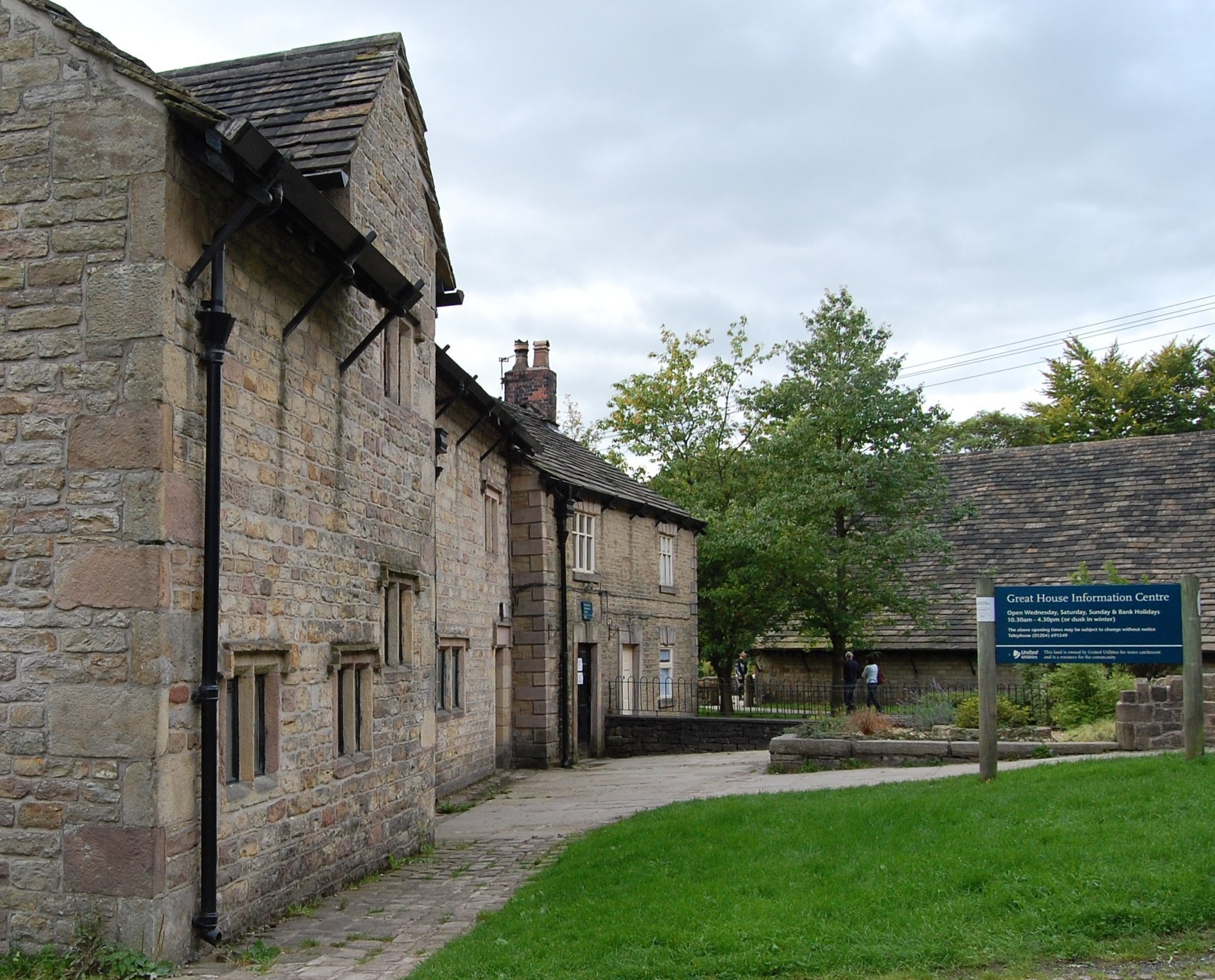 Grade II listed country park between Rivington in Lancashire and Horwich in Greater Manchester.
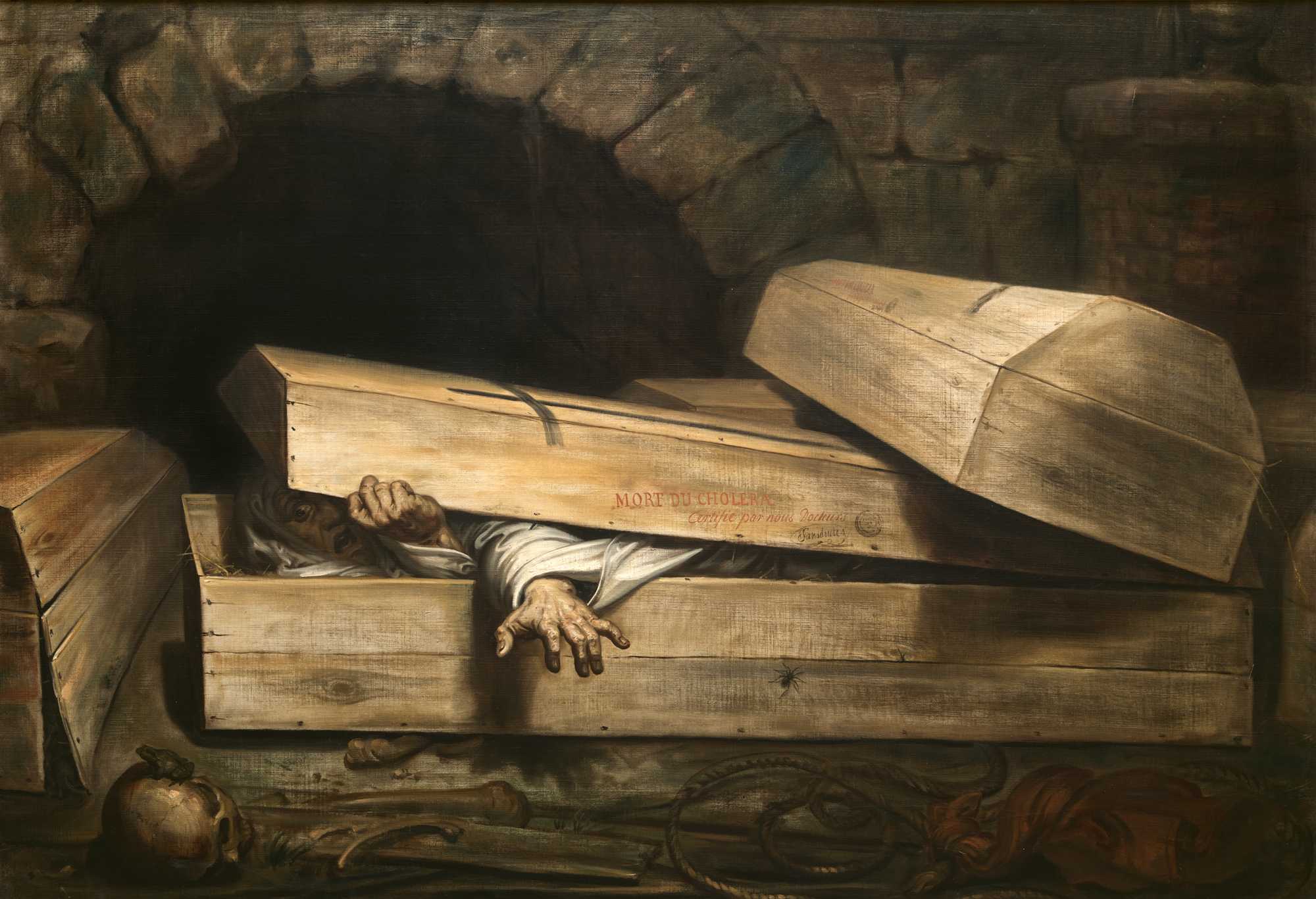 Mummified body of Hannah Beswick (1688–1758, a wealthy woman with a pathological fear of premature burial.
 Former complex of cotton mills built on the banks of the Bridgewater Canal in Bedford, Leigh in Lancashire, England.
 Mining disasters in Lancashire in which five or more people were killed occurred most frequently in the 1850s, 1860s and 1870s.
 Created in 1894 and granted a charter of incorporation in 1933, becoming a municipal borough. Abolished in 1974, the area it controlled is now part of the Metropolitan Borough of Trafford in Greater Manchester.
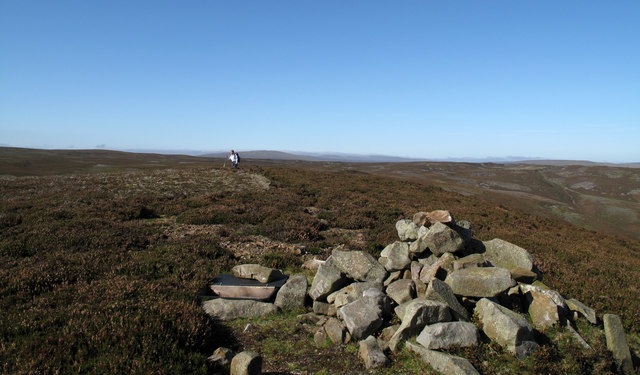 Area of the West Pennine Moors in North West England. At its summit is a Bronze Age burial mound.First fully structural plastic building in England, completed in 1974.
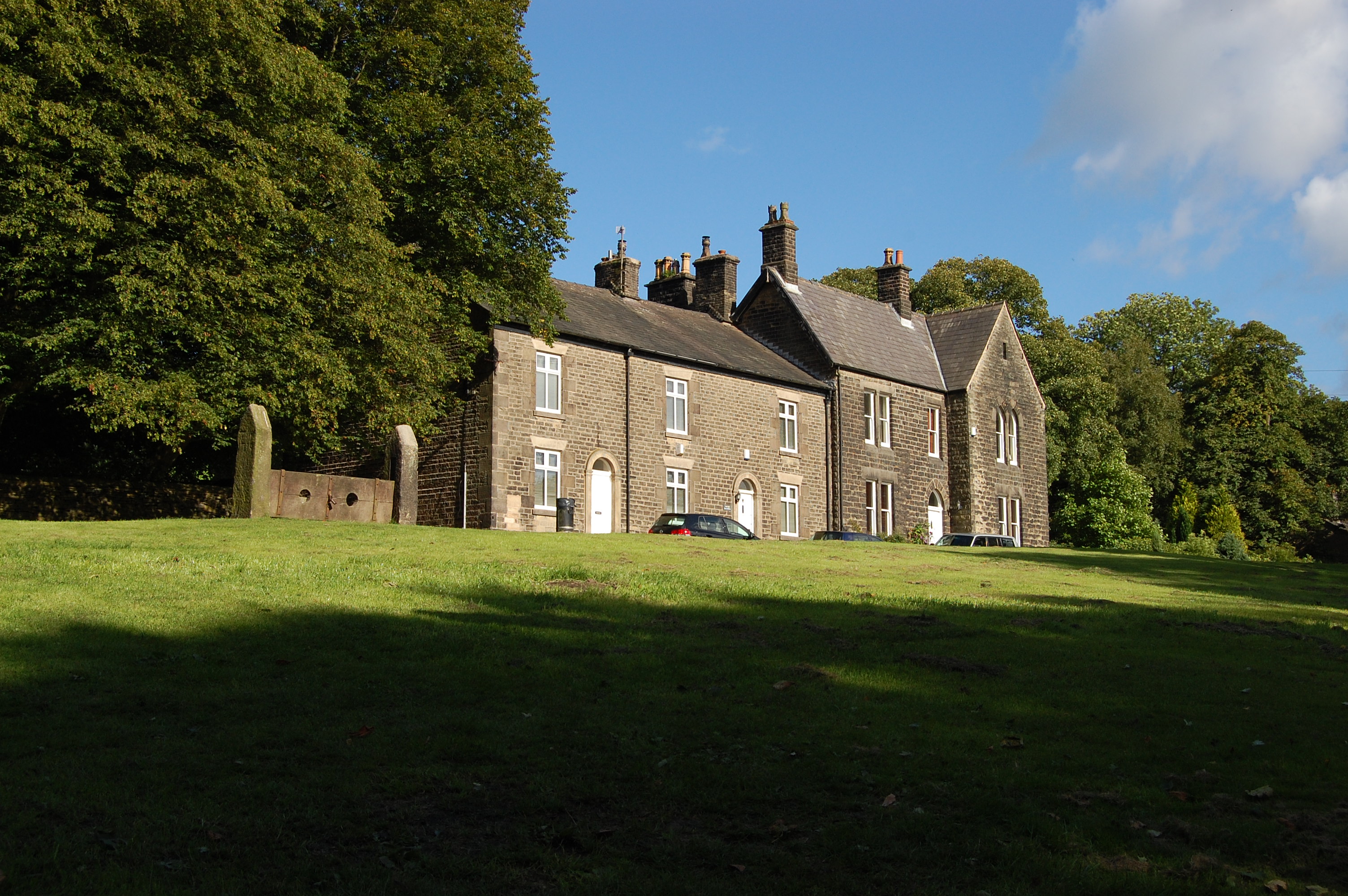 Village in the Borough of Chorley, to the northwest of Bolton, on the fringe of the West Pennine Moors.
 Folly in the form of a replica of Liverpool Castle, in Lever Park, Rivington.
 Active Anglican parish church and Grade II listed building in Rivington, Lancashire.
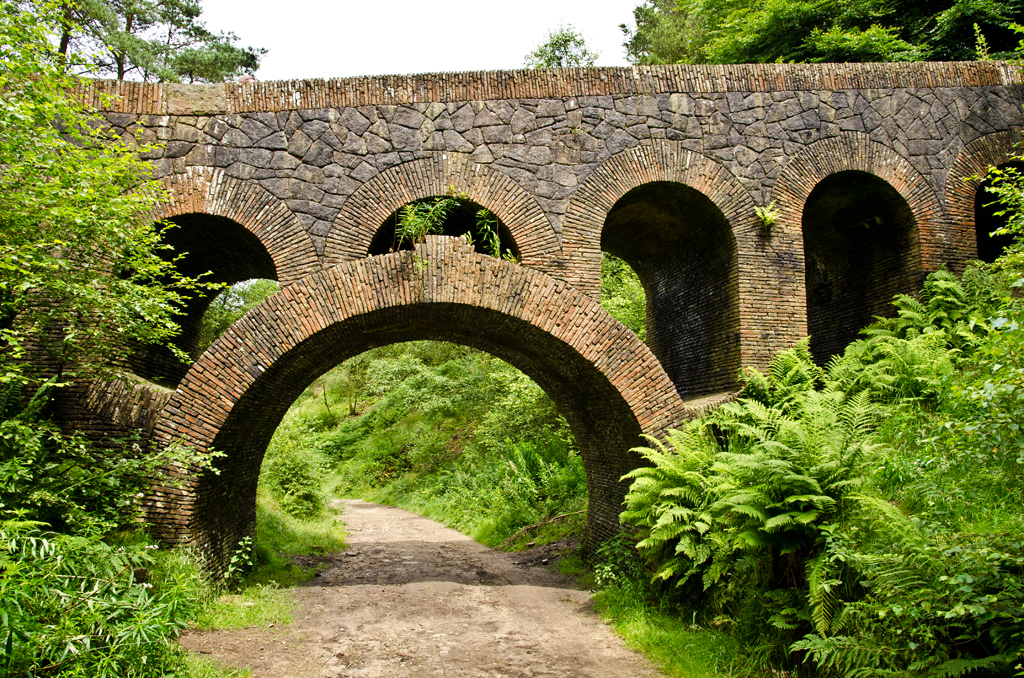 Rivington Gardens cover about 45 acres of the steep west-facing slopes of Rivington Moor at the edge of the West Pennine Moors in Lancashire.
 Grade II* listed former manor house in Rivington, Lancashire, England, the successor to a 15th-century building that was built near to the present building.
 Hill summit on Winter Hill, part of the West Pennine Moors, overlooking the village of Rivington in Lancashire, England.
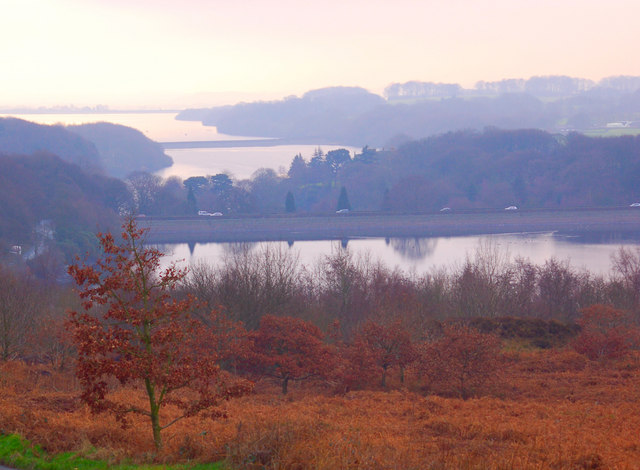 The Rivington Reservoir Chain, or Rivington Pike Scheme, was built for Liverpool Corporation Waterworks between 1850 and 1857 by Thomas Hawksley.
 Active place of Unitarian worship in Rivington, Lancashire whose congregation dates from 1662 but the stone chapel was not built until 1703.
 17th-century manor house in the civil parish of Hapton, in Lancashire.Grade I listed building in Burnley, Lancashire, housing the borough's art gallery and museum.
 Former manor house incorporating a pele tower, in Turton, Lancashire.
 Tyldesley cum Shakerley Urban District and its successor, Tyldesley Urban District. was from 1894 to 1974 a local government district in Lancashire, England. In 1974 the urban district was abolished and its former area was transfered to the Metropolitan Borough of Wigan in Greater Manchester.
 17th-century Grade II listed building within a 178-acre (72 ha) estate near Clitheroe, Lancashire.
 Landowner who lived at Hulton Hall in Lancashire, notorious for his part in the Peterloo Massacre.
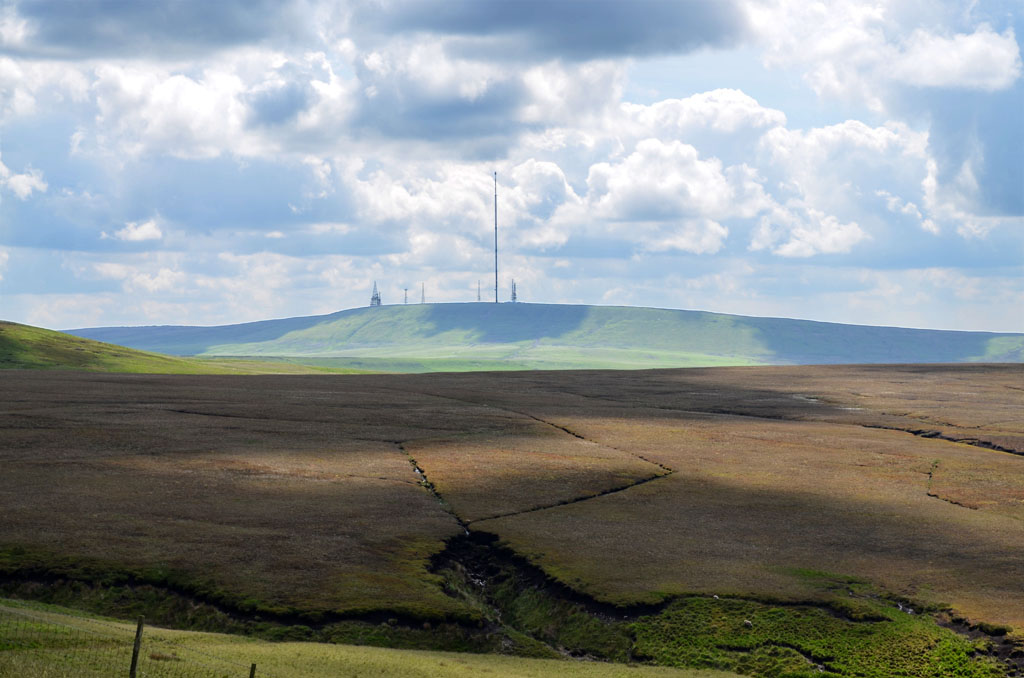 High point of Rivington Moor in the West Pennine Moors is 1,496 feet high and has been the site of mining, a mass trespass, aeroplane disasters and murder. 1896 protest organised when the landowner Colonel Ainsworth closed a track leading to Winter Hill, denying the right of access to the local population.
[wpdreams_ajaxsearchlite]
Some hopefully helpful guidance on how certain aspects of our articles are implemented.

| Grade I listed buildings in Stoke-on-Trent | |
|---|---|
| Grade I listed buildings in Stoke-on-Trent, in the ceremonial county of Staffordshire. |
|
| 8 | |
| No speech |
|
| 51 | |