50 suggestions for "lancashire"
AnglezarkeSparsely populated civil parish near Chorley in Lancashire with no village, just scattered farms and the hamlet of White Coppice.
Atherton Urban DistrictAtherton Urban District was from 1894 to 1974 a local government district in Lancashire, England.
Bank Hall CollieryCoal mine near the Leeds and Liverpool Canal in Burnley, Lancashire., the town's largest and deepest pit.
Burnley CoalfieldMost northerly portion of the Lancashire Coalfield, surrounding Burnley, Nelson, Blackburn and Accrington.
Cheetham CloseCheetham Close, a hill in the West Pennine Moors above Turton in Lancashire, is the site of an ancient stone circle.
Claughton HallLarge Grade I listed country house in the village of Claughton, Lancashire.
Cockersand AbbeyFounded as a hermitage before 1184, the remains of which are now a scheduled monument.
Ellesmere CollieryEllesmere Colliery in Walkden, on the Lancashire Coalfield, was sunk in 1865 by the Bridgewater Trustees. Production ended in 1923.
Grade I listed buildings in Blackburn with DarwenGrade I listed buildings in the unitary authority of Blackburn with Darwen, in Lancashire.
Grade I listed buildings in BlackpoolGrade I listed buildings in the unitary authority of Blackpool, in Lancashire.
Grade I listed buildings in ChorleyGrade I listed buildings in the Borough of Chorley, in Lancashire.
Grade I listed buildings in FyldeGrade I listed buildings in the Borough of Fylde, in Lancashire.
Grade I listed buildings in HyndburnGrade I listed buildings in the Borough of Hyndburn, in Lancashire.
Grade I listed buildings in LancashireGrade I listed buildings in the ceremonial county of Lancashire, split into the fourteen authorities making up the county.
Grade I listed buildings in LancasterGrade I listed buildings in the Borough of Lancaster, in Lancashire.
Grade I listed buildings in PendleGrade I listed buildings in the Borough of Pendle, in Lancashire.
Grade I listed buildings in PrestonGrade I listed buildings in the Borough of Preston, in Lancashire.
Grade I listed buildings in Ribble ValleyGrade I listed buildings in the Borough of Ribble Valley, in Lancashire.
Grade I listed buildings in South RibbleGrade I listed buildings in the Borough of South Ribble, in Lancashire.
Grade I listed buildings in Stoke-on-TrentGrade I listed buildings in Stoke-on-Trent, in the ceremonial county of Staffordshire.
Grade I listed buildings in West LancashireGrade I listed buildings in the Borough of West Lancashire, in Lancashire.
Grade I listed buildings in WyreGrade I listed buildings in the Borough of Wyre, in Lancashire.
Green’s tramroadMineral railway that connected Yew Tree Colliery in Tyldesley to the Bridgewater Canal at Astley.
Haigh FoundryIronworks and foundry in Haigh near Wigan that was notable for the manufacture of steam engines.
Haydock CollieriesHaydock Collieries comprised several pits, some started in the 18th century, on land owned by the Leghs of Lyme around Haydock on the Lancashire Coalfield in north-west England.
John Grundy LimitedCompany of heating engineers and ironfounders, started in Tyldesley, Lancashire in 1857.
Lever Park, RivingtonGrade II listed country park between Rivington in Lancashire and Horwich in Greater Manchester.
Manchester MummyMummified body of Hannah Beswick (1688–1758, a wealthy woman with a pathological fear of premature burial.
Mather Lane MillsFormer complex of cotton mills built on the banks of the Bridgewater Canal in Bedford, Leigh in Lancashire, England.
Mining disasters in LancashireMining disasters in Lancashire in which five or more people were killed occurred most frequently in the 1850s, 1860s and 1870s.
Municipal Borough of LeighLocal government district in Lancashire, England, created in 1899 and abolished in 1974.
Municipal Borough of StretfordCreated in 1894 and granted a charter of incorporation in 1933, becoming a municipal borough. Abolished in 1974, the area it controlled is now part of the Metropolitan Borough of Trafford in Greater Manchester.
Noon HillArea of the West Pennine Moors in North West England. At its summit is a Bronze Age burial mound.
Plastic Classroom, Kennington Primary SchoolFirst fully structural plastic building in England, completed in 1974.
RivingtonVillage in the Borough of Chorley, to the northwest of Bolton, on the fringe of the West Pennine Moors.
Rivington CastleFolly in the form of a replica of Liverpool Castle, in Lever Park, Rivington.
Rivington ChurchActive Anglican parish church and Grade II listed building in Rivington, Lancashire.
Rivington GardensRivington Gardens cover about 45 acres of the steep west-facing slopes of Rivington Moor at the edge of the West Pennine Moors in Lancashire.
Rivington HallGrade II* listed former manor house in Rivington, Lancashire, England, the successor to a 15th-century building that was built near to the present building.
Rivington PikeHill summit on Winter Hill, part of the West Pennine Moors, overlooking the village of Rivington in Lancashire, England.
Rivington ReservoirsThe Rivington Reservoir Chain, or Rivington Pike Scheme, was built for Liverpool Corporation Waterworks between 1850 and 1857 by Thomas Hawksley.
Rivington Unitarian ChapelActive place of Unitarian worship in Rivington, Lancashire whose congregation dates from 1662 but the stone chapel was not built until 1703.
Shuttleworth Hall17th-century manor house in the civil parish of Hapton, in Lancashire.
Towneley HallGrade I listed building in Burnley, Lancashire, housing the borough's art gallery and museum.
Turton TowerFormer manor house incorporating a pele tower, in Turton, Lancashire.
Tyldesley Urban DistrictTyldesley cum Shakerley Urban District and its successor, Tyldesley Urban District. was from 1894 to 1974 a local government district in Lancashire, England. In 1974 the urban district was abolished and its former area was transfered to the Metropolitan Borough of Wigan in Greater Manchester.
Waddow Hall17th-century Grade II listed building within a 178-acre (72 ha) estate near Clitheroe, Lancashire.
William HultonLandowner who lived at Hulton Hall in Lancashire, notorious for his part in the
Peterloo Massacre.
Winter HillHigh point of Rivington Moor in the West Pennine Moors is 1,496 feet high and has been the site of mining, a mass trespass, aeroplane disasters and murder.
Winter Hill Trespass1896 protest organised when the landowner Colonel Ainsworth closed a track leading to Winter Hill, denying the right of access to the local population.


 Area in England with an appointed Lord Lieutenant to represent the monarch's interest. of Lancashire.[1]
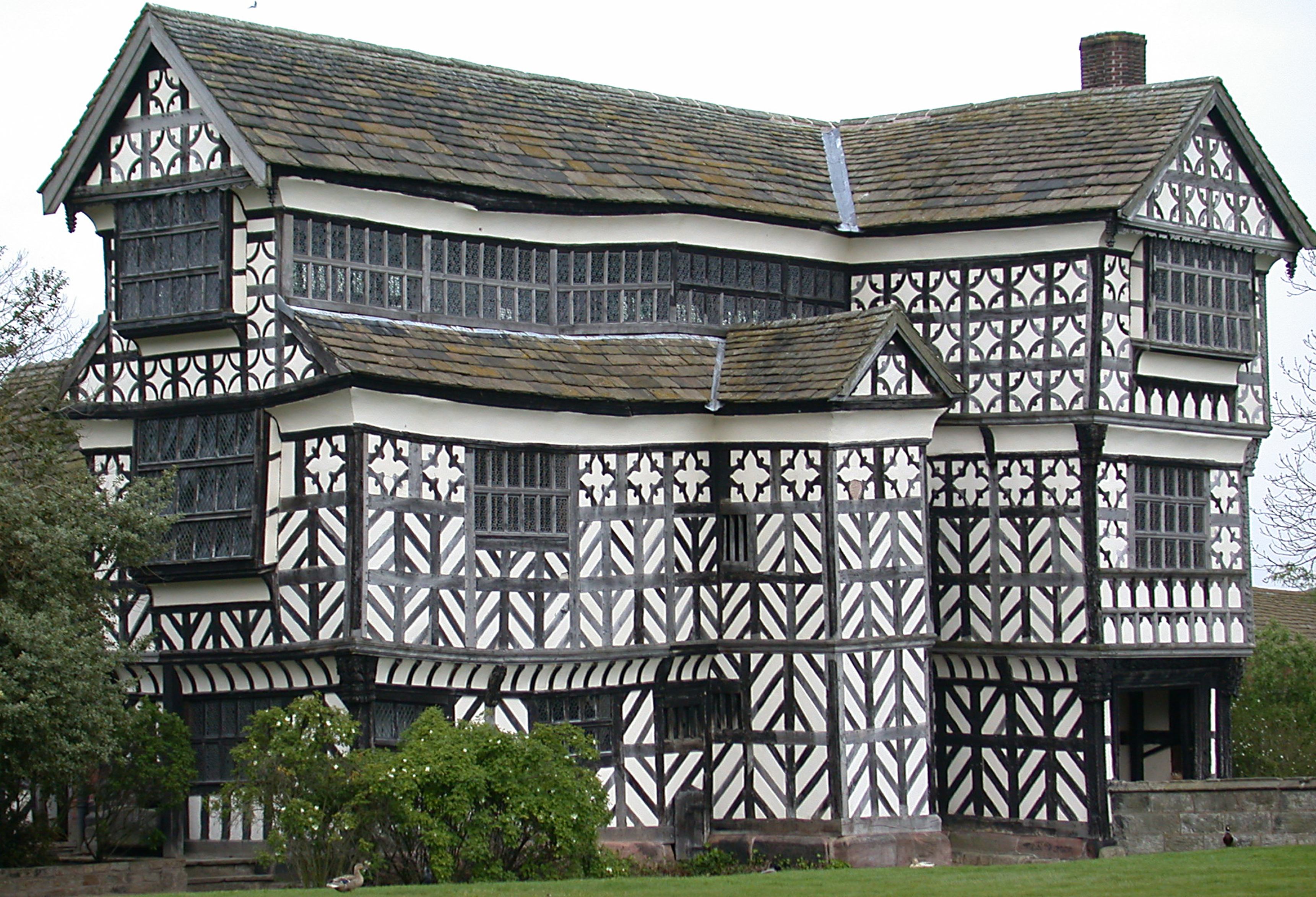 Structure of particular architectural and/or historic interest deserving of special protection. in Lancashire. Grade I structures are those considered to be “buildings of exceptional interest”.[2]


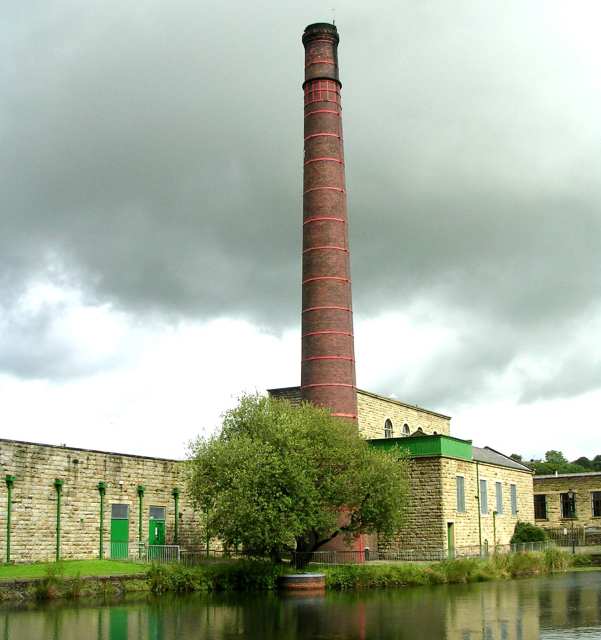
 17th-century manor house in the civil parish of Hapton, in Lancashire.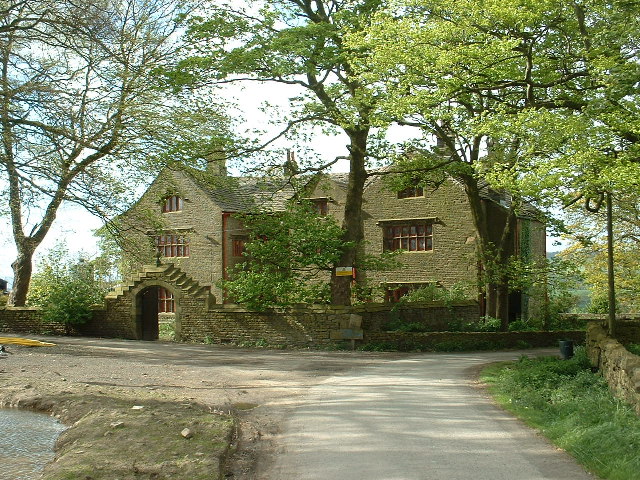
 Grade I listed building in Burnley, Lancashire, housing the borough's art gallery and museum.
 Grade I listed buildings in the ceremonial county of Lancashire, split into the fourteen authorities making up the county.