


Wikimedia Commons
The Black Lion is a Grade II* listed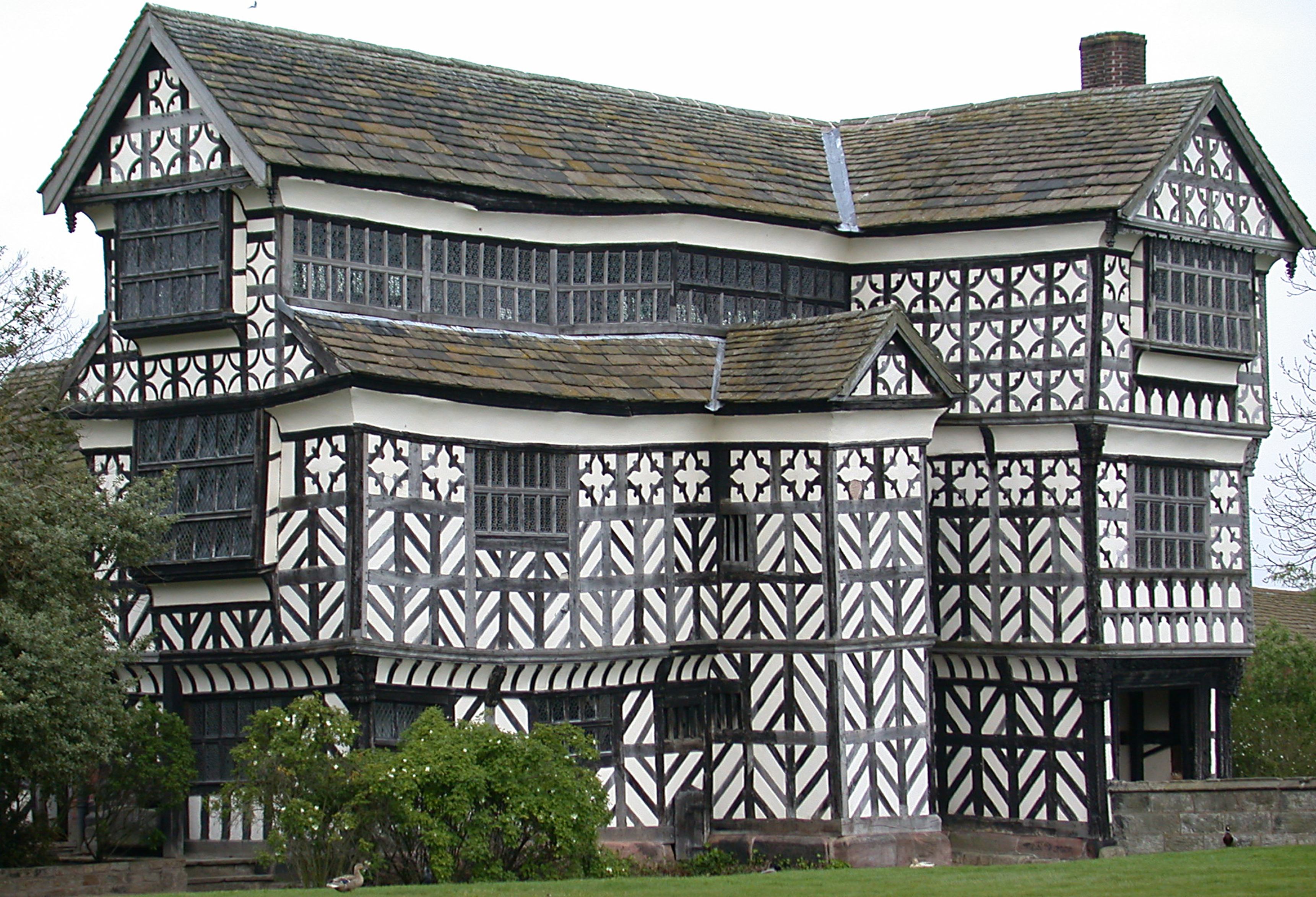 Structure of particular architectural and/or historic interest deserving of special protection. public house at 274 Kilburn High Road, Kilburn, London. It was built in about 1898 by the architect R. A. Lewcock (1846–1932), with interior carved panels by the sculptor Frederick Thomas Callcott (1853–1923).[1][2]
The three-storey structure is built of red brick and stone dressings, in a rectangular plan on a corner site; according to the Campaign for Real Ale (CAMRA), it was rescued in 2003 from a “very down-at-heel existence”.[3]
Architecture
Exterior
The ground floor is arcaded Series of arches carried on piers, columns or pilasters. Also used to denote a covered avenue with shops on one or both sides. with pilasters
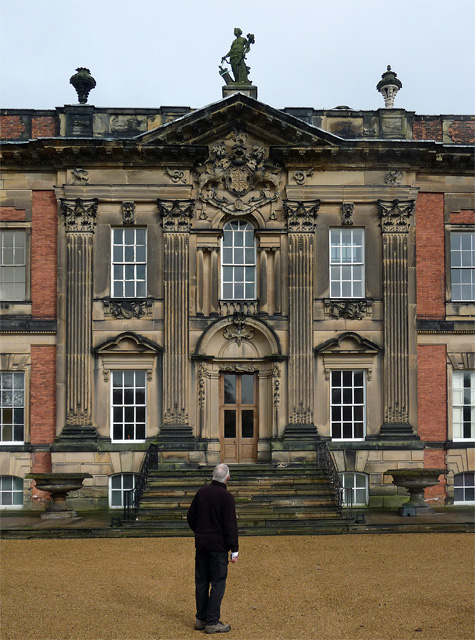 Decorative architectural element used to give the appearance of a supporting column, to articulate an extent of wall. and panelled, part-glazed double doors to the main road. The two upper floors have brick pilasters rising to support an entablature with a projecting cornice
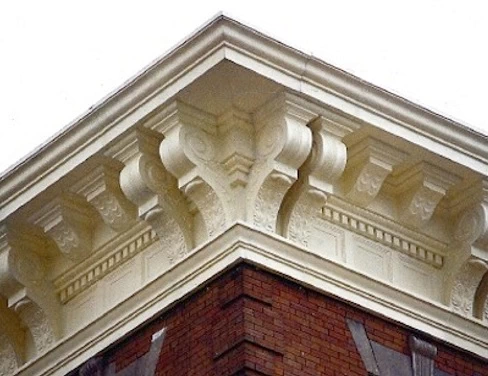 Horizontal moulding crowning a building or part of a building, such as over a door or window, or at the junction of an interior wall and ceiling. surmounted by an arcaded balustrade with cartouches and finials to the dies. Bowed windows to the first and second floor angle terminate in a lantern with an ogee
 Architectural or design element consisting of a continuous double curve, S-shaped in cross section. cupola
 Small dome on top of a roof or other high structure. and weathervane finial
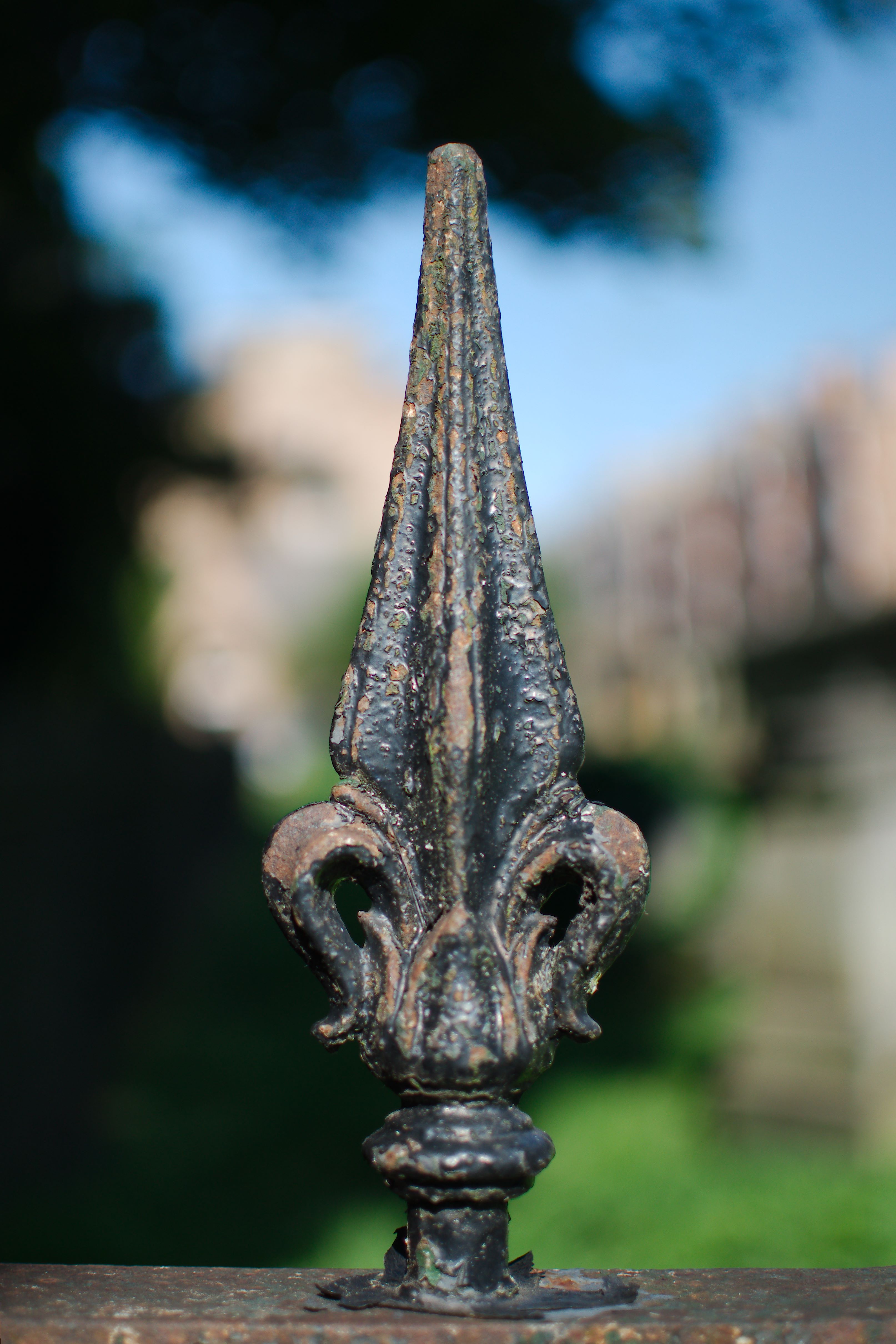 Decoration marking the top end of some architectural element such as a gable, newel post or fence post..[1]
Interior

The Black Lion
The pub’s original U-shaped bar serves two rooms divided by a glass and wood screen. The two main bars have deep, gilded Adam-style plaster frieze Horizontal central band of an entablature, known as a pulvinated frieze if it has a convex profile., plasterwork ceilings with medallions.[1]
