
Witchcraft Act 1735
 Sometimes dated 1736, an Act of Parliament that repealed the statutes concerning witchcraft throughout Great Britain, including Scotland.
 Witchcraft in Orkney possibly has its roots in the settlement of Norsemen on the archipelago from the eighth century onwards. Until the early modern period magical powers were accepted as part of the general lifestyle, but witch-hunts began on the mainland of Scotland in about 1550.
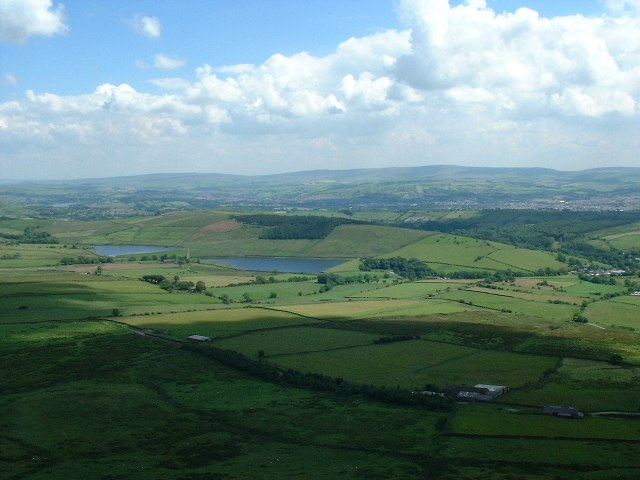 Home of Elizabeth Southerns, also known as Demdike, and her granddaughter Alizon Device, two of the chief protagonists in the Lancashire witch trials of 1612.
 Medical condition caused by invisible elves or witches shooting invisible arrows at people or animals.
 Belief that certain people can inflict disease or death simply by a glance.
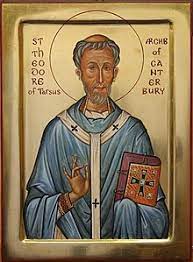 Set of 7th-century ecclesiastical laws applied to women – and only women – perfoming acts such as divination, raising storms, or murder by the use of magic.
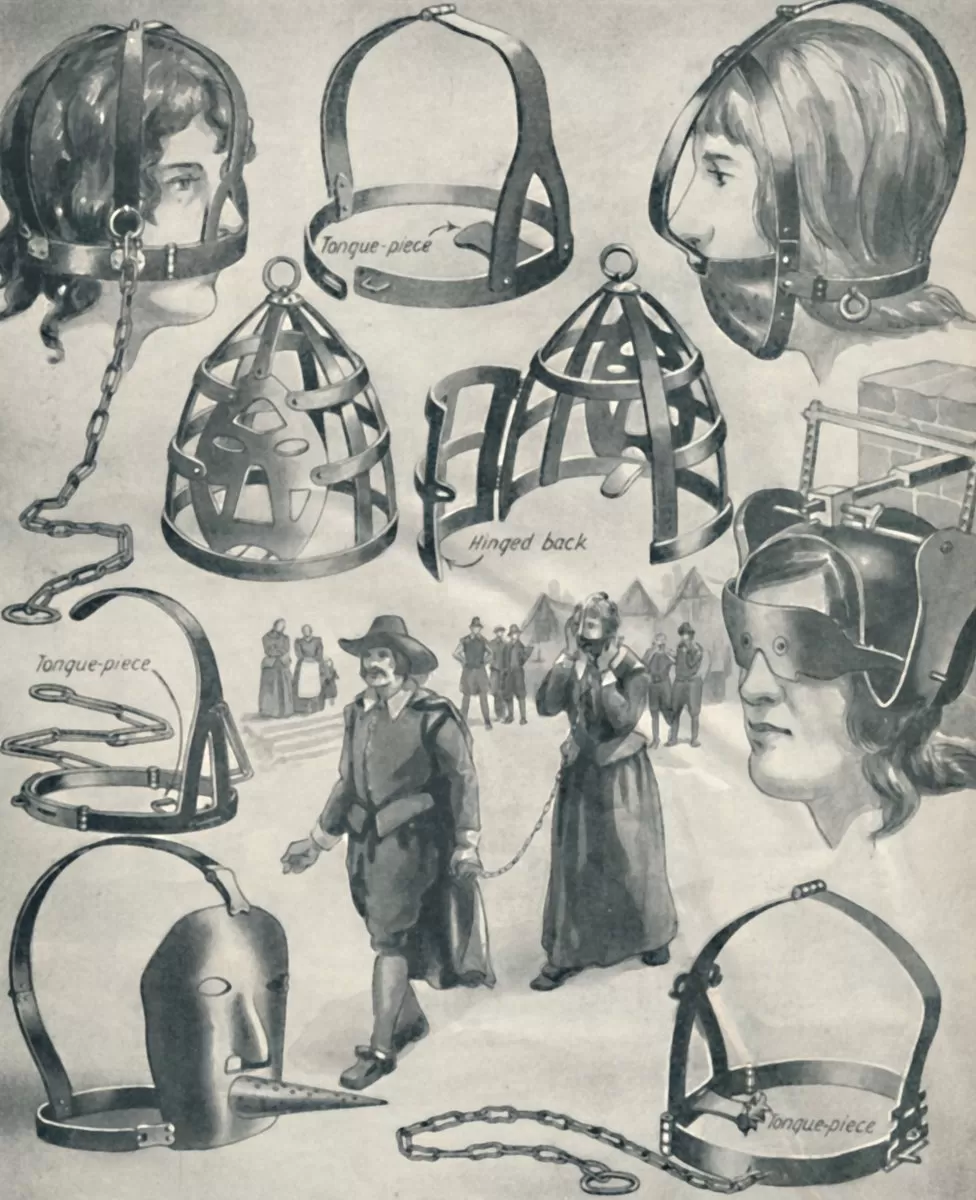 Glaswegian woman active from 1597–1614 in highlighting the miscarriages of justice perpetrated during a Scottish witch-hunt.
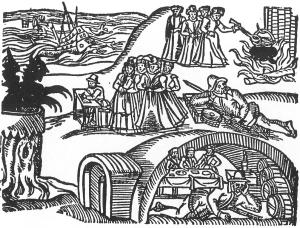 1591 pamphlet describing the North Berwick witch trials in Scotland, detailing the confessions given by the accused witches before King James VI.
 Alleged group of witches who convened around the New Forest in Southern England, whose beliefs and practices formed the basis of Gardnerian Wicca.
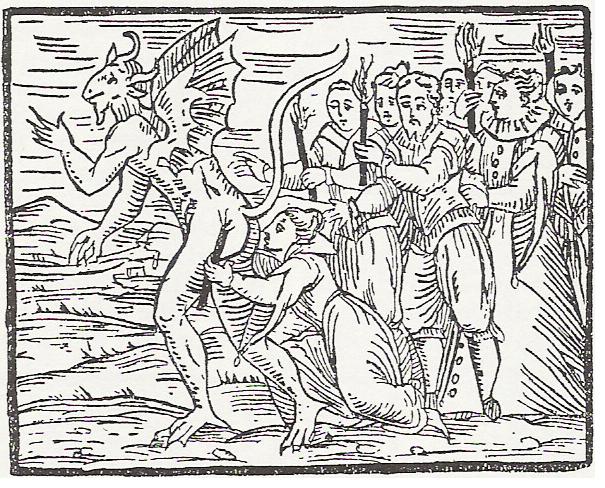 Ritual of a witch paying homage to the Devil by kissing his genitals, anus or feet.
 Papal bull regarding witchcraft issued by Pope Innocent VIII on 5 December 1484.
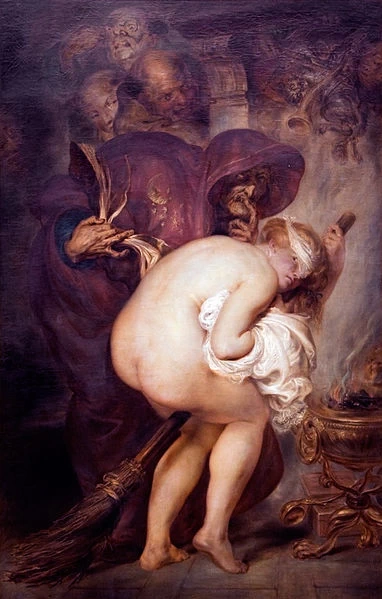 Broomsticks smeared with flying ointment were supposed to give witches the power of flight.
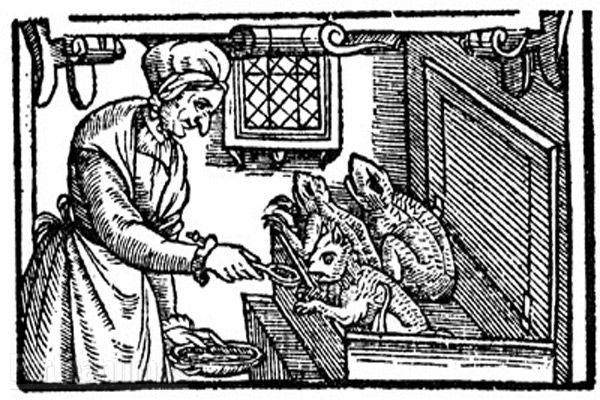 Demonic spirit who attends upon a witch, possessing magical powers that can be used for good or evil. Often taking the form of a small animal such as a cat.
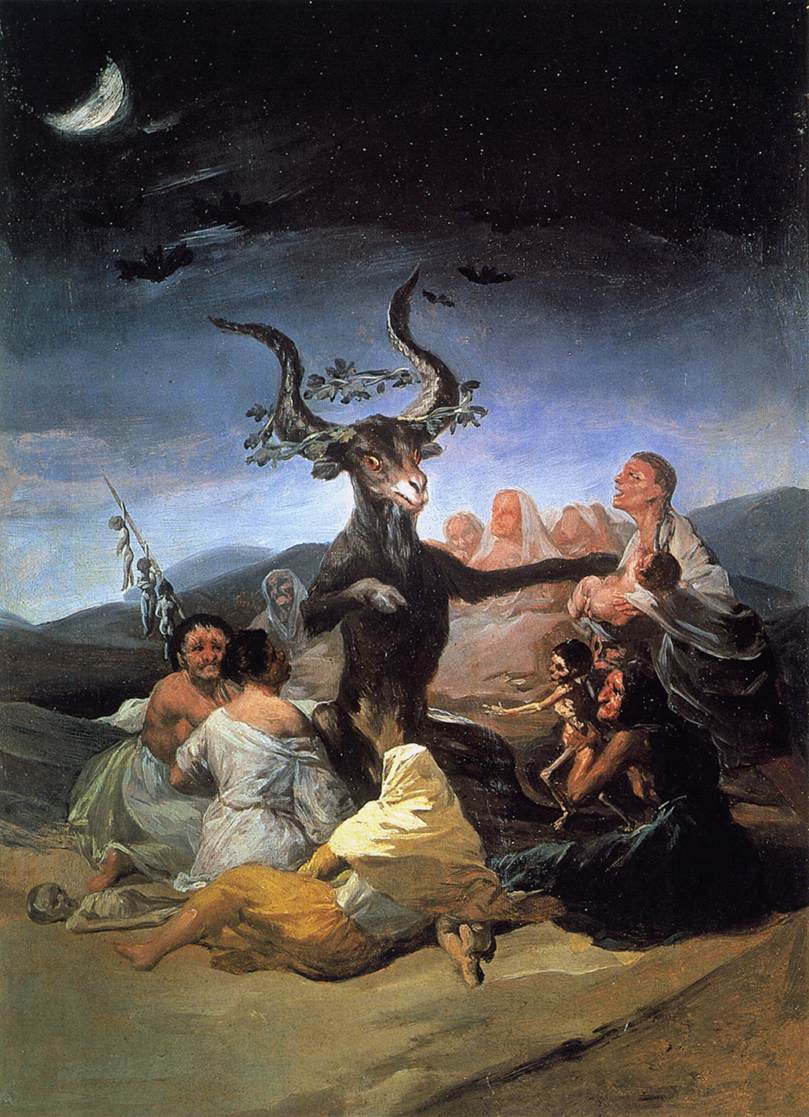 Now discredited idea popularised by the Egyptologist and folklorist Margaret Murray that the Early Modern witch trials were an attempt to suppress a pagan, pre-Christian religion.
 Methods used to identify witches, once believed to provide sufficient evidence to achieve a conviction in a court of law. Sometimes dated 1736, an Act of Parliament that repealed the statutes concerning witchcraft throughout Great Britain, including Scotland.
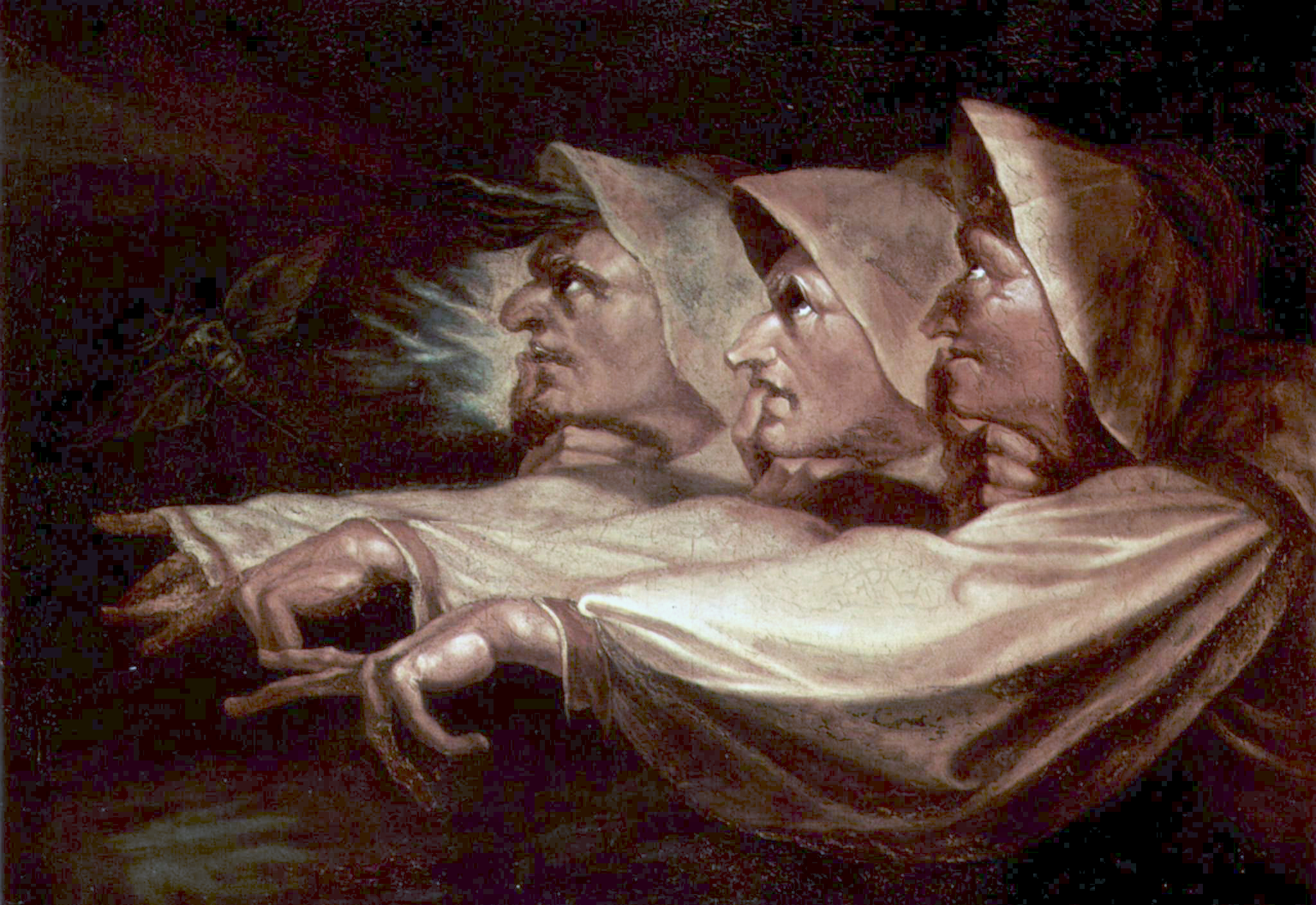 Series of Acts passed by the Parliaments of England and Scotland making witchcraft a secular offence punishable by death.Witchcraft in Orkney possibly has its roots in the settlement of Norsemen on the archipelago from the eighth century onwards. Until the early modern period magical powers were accepted as part of the general lifestyle, but witch-hunts began on the mainland of Scotland in about 1550.
 Painting by the Italian Baroque artist Salvator Rosa, completed in about 1646.
[wpdreams_ajaxsearchlite]
Some hopefully helpful guidance on how certain aspects of our articles are implemented.

| Witchcraft Act 1735 | |
|---|---|
| Sometimes dated 1736, an Act of Parliament that repealed the statutes concerning witchcraft throughout Great Britain, including Scotland. |
|
| 19 | |
| 43 | |