71 suggestions for "h-g-wells+short-story"
A CatastropheShort story by H. G. Wells first published in 1895 about a struggling shopkeeper saved from bankruptcy by an unexpected legacy.
A Deal in OstrichesShort story by H. G. Wells, published in 1894. A confidence trick involving an ostrich that allegedly swallowed a diamond displays the extent of human greed.
A Dream of ArmageddonAnti-war short story by H. G. Wells published in 1901.
Aepyornis IslandShort story by H. G. Wells, first published in 1894, which can be read as a Robinsonade, a parable on the theme of loneliness, or simply a ripping yarn in the manner of Rudyard Kipling.
Answer to PrayerLast short story written by H. G. Wells, published in 1937, about an archbishop who develops doubts about his relationship with God.
A Slip Under the MicroscopeShort story by H. G. Wells first published in 1896, about the ethical dilemma faced by a student who inadvertently cheats during his botany exam.
A Vision of JudgementShort story by H. G. Wells published in 1899, about the Biblical day of judgement.
FilmerShort story by H. G. Wells published in 1901, a fictional account of the suicide of the inventor of the first successful flying machine, just before its maiden flight.
In the AbyssShort story by H. G. Wells first published in the August 1896 edition of
Pearson’s Magazine. It tells of a descent to the deep ocean bed and an encounter with a previously unknown undersea civilisation.
In the Avu ObservatoryShort story by H. G. Wells, about an attack by a large bat-like creature on an assistant at an observatory in Borneo.
In the Modern VeinShort story by H. G. Wells first published in 1894, about a minor poet's infatuation with a girl he meets at a tennis party.
Jimmy Goggles the GodShort story by H. G. Wells first published in 1898, about a treasure hunter who because of his diving suit is mistaken for a god.
Miss Winchelsea’s HeartShort story by H. G. Wells first published in 1898, about a snobbish young woman's rejection of a young man's advances because of what she perceives to be his absurd surname, Snooks.
Mr. Brisher’s TreasureShort story by H. G. Wells first published in 1899, a morality tale of greed and hypocrisy.
Mr. Ledbetter’s VacationShort story by H. G. Wells about a schoolmaster who, to prove his courage to himself, burgles a house while on holiday, leading him into a strange adventure.
Mr. Skelmersdale in FairylandShort story by H. G. Wells first published in 1901, about a young man who falls asleep one midsummer's night and wakes to find himself in Fairyland.
Pollock and the Porroh ManShort story by H. G. Wells first published in 1895, about a murdered witch-doctor whose severed head haunts the man responsible for his death.
Select Conversations with an UncleCollection of 12 humorous conversations between George and his uncle, and two reminiscences, by H. G. Wells, first published in 1895.
Tales of Space and TimeCollection of three short stories and two novellas by H. G. Wells, first published in 1899.
The AppleShort story by H. G. Wells published in 1896, about a schoolmaster who comes into possession of an apple from the Tree of Knowledge.
The Argonauts of the AirShort story by H. G. Wells first published in 1895, about the disastrous first flight of a heavier-than-air flying machine.
The Beautiful SuitShort story by H. G. Wells, first published in Collier's Weekly in April 1909 under the title "A Moonlight Fable", in which an exquisitely tailored suit leads to the death of its owner.
The ConeShort story by H. G. Wells first published in 1895, about one man's revenge on an artist he suspects is having an affair with his wife.
The Country of the BlindShort story by H. G. Wells first published in 1904, about the accidental discovery of a latter-day utopia where all the inhabitants are blind.
The Country of the Blind and Other StoriesCollection of 33 short stories by H. G. Wells, first published in 1911.
The Crystal EggShort story by H. G. Wells first published in 1897, about a dealer in antiquities who discovers a communication device between Earth and Mars.
The Devotee of ArtShort story by the English author H. G. Wells, first published in 1888, about an artist who dreams that he has neglected his dying wife in pursuit of creating the perfect picture.
The Diamond MakerShort story by H. G. Wells first published in 1894, about a tramp who claims to be able to make diamonds.
The Door in the WallShort story by H. G. Wells, first published in 1906, about a man's grieving for a magical garden he had found as a child, and desperately wants to find again.
The Flowering of the Strange OrchidShort story by H. G. Wells first published in 1894. A collector of orchids grows an unknown species which develops aerial rootlets that attach themselves to his skin and suck his blood.
The Flying ManShort story written by H. G. Wells first published in 1895, about a British soldier who, trapped on a ledge, improvises a parachute to escape.
The Grisly FolkShort story by H. G. Wells published in 1921, speculating about the early encounters between Neanderthals and modern man.
The Hammerpond Park BurglaryShort story by H. G. Wells published in 1894, about a burglary that begins badly but is eventually successfully concluded.
The Happy TurningCollection of nine cheerfully optimistic essays written by H. G. Wells, published in 1945, describing his dreamworld.
The Jilting of JaneShort story by H. G. Wells first published in 1894, about an episode in the romantic life of a young maidservant who is engaged to be married.
The Land IroncladsShort story by H. G. Wells published in 1903, anticipating the impact of the tank in trench warfare.
The Lord of the DynamosShort story by H. G. Wells first published in 1894. It concerns a stoker employed at the Camberwell electric railway workshops who becomes convinced that a large dynamo is a deity, and kills his superior in a religious frenzy.
The Lost InheritanceShort story by H. G. Wells first published in 1896, about the lost will left by a rich uncle.
The Magic ShopShort story by H. G. Wells first published in 1903, about a visit by a young boy and his father to a shop selling disturbingly realistic magical illusions.
The Man Who Could Work MiraclesShort story by H. G. Wells about a man who is granted the power to do anything merely by willing it to happen.
The Man with a NoseShort story by H. G. Wells first published in 1894, about a man's reflections on his unsightly nose.
The MothShort story by H. G. Wells first published in 1895. It concerns a bitter rivalry between two entomologists, ending with the death of one and the insanity of the other.
The New AcceleratorShort story by H. G. Wells published in 1901, concerning the effects of a fictional drug designed to speed up the human nervous system.
The Obliterated ManShort story by H. G. Wells first published in 1895, about a shy young man who becomes a drama critic, and the effect that decision has on his personality.
The Pearl of LoveShort story by H. G. Wells first published in 1925, about an Indian prince who, in constructing an elaborate memorial to his deceased wife, loses sight of the building's original purpose.
The Plattner StoryShort story by H. G. Wells published in 1896, about a chemistry teacher who causes an explosion that propels him into another world.
The Plattner Story and OthersCollection of 17 short stories by H. G. Wells, first published in 1897.
The Presence By the FireShort story written by H. G. Wells published in 1897, about a man who comes to believe that he is being visited by the spirit of his dead wife.
The Purple PileusShort story by H. G. Wells first published in 1896, about a struggling small shopkeeper whose life is transformed after consuming some magic mushrooms.
The Queer Story of Brownlow’s NewspaperShort story by H. G. Wells in which the protagonist receives a newspaper printed forty years in the future.
The Rajah’s TreasureShort story by H. G. Wells published in 1896, about a rajah who is murdered by his heir, for an unexpected treasure trove.
The ReconciliationShort story by H. G. Wells published in 1895, about two men who attempt a reconciliation culminating in the death of one of them.
The Red RoomShort story by H. G. Wells first published in 1896, a horror story in the manner of Edgar Allan Poe.
The Remarkable Case of Davidson’s EyesShort story by H. G. Wells published in 1895, about a researcher who, after stooping between the poles of a large electromagnet, becomes temporarily blind to the world around him, seeing only an island beach.
The Sea RaidersShort story by H. G. Wells, first published in 1896, about a raid by an unknown species of octopus-like creatures on the south coast of England.
The StarShort story by H. G. Wells published in 1897, about a near collision between a comet from outer space and the Earth.
The Stolen BacillusShort story by H. G. Wells first published in 1894, about an anarchist who steals what he believes to be a tube of cholera bacteria to poison London's water supply, but which is in reality harmless.
The Stolen Bacillus and Other IncidentsCollection of 15 short stories by H. G. Wells, first published in 1895.
The Stolen BodyShort story by H. G. Wells, first published in 1898, about two paranormal researchers one of whom loses his body to an evil spirit.
The Story of the Late Mr. ElveshamShort story by H. G. Wells first published in 1896, about a young man whose body is taken over by an elderly philosopher.
The Temptation of HarringayShort story by H. G. Wells, published in 1895, about an artist who paints a man's head that comes to life and criticises his work.
The Thing in No. 7Short story by H. G. Wells first published in 1894, about the thing that one of a group of friends encounters after taking shelter in an empty house.
The Thumb MarkShort story by H. G. Wells published in 1894, about an anarchist who sets fire to a house but leaves a clue to his identity in the form of a thumb print.
The Treasure in the ForestShort story written by H. G. Wells and published in 1897, about the fate of two men who steal a treasure map from a Chinaman.
The Triumphs of a TaxidermistHumorous short story by H. G. Wells first published in 1894.
The Valley of SpidersShort story by H. G. Wells published in 1903, about three men who are attacked by giant spiders while pursuing a half-caste girl through a desolate valley.
Thirty Strange StoriesCollection of 30 short stories by H. G. Wells, first published in 1897.
Through a WindowShort story by H. G. Wells, first published in 1894, a precursor to the sub-genre of thriller in which a crippled or bed-ridden hero, after observing the world through a window, is suddenly confronted by a killer.
Twelve Stories and a DreamCollection of 13 short stories by H. G. Wells, first published in 1903.
Under the KnifeShort story by H. G. Wells first published in 1896, about an out of body experience while under anaesthetic.
Wayde’s EssenceShort story by H. G. Wells, about a prominent politician who learns that the drug he has been taking for the last 17 years to dispel all self-doubt is in reality distilled water.

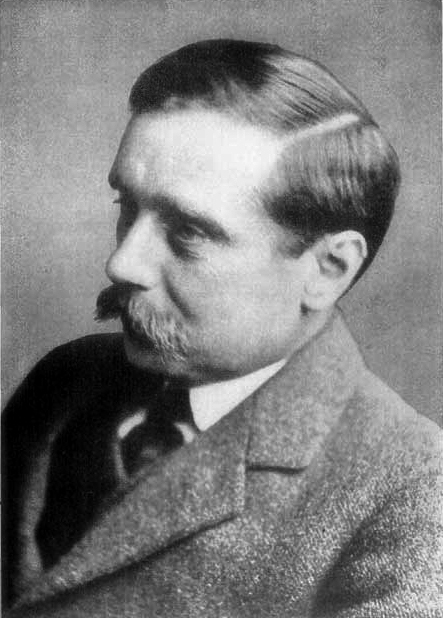 List of publications written by H. G. Wells during the more than fifty years of his literary career.